

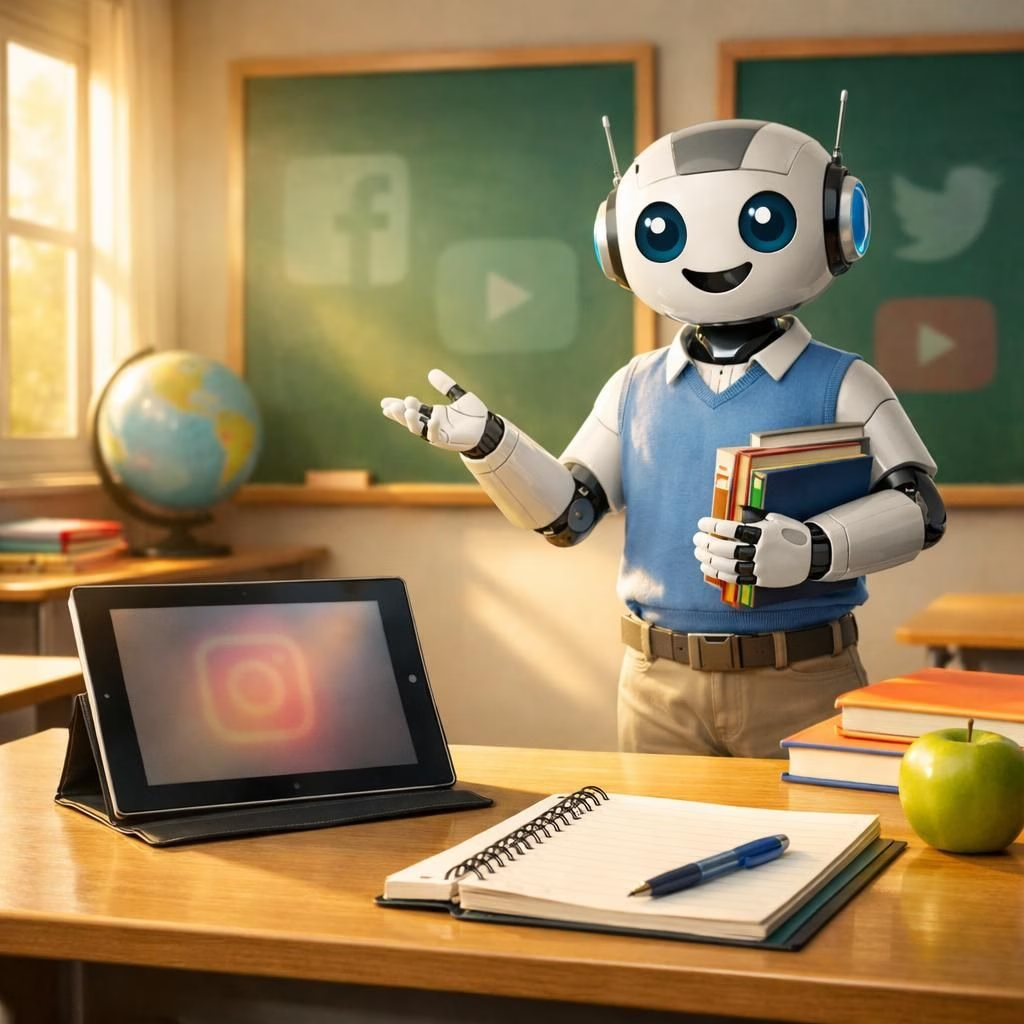
In 2026, the social-media conversation meets the classroom with a spark of curiosity and a practical mindset. The headlines remind us that the tech, and schools, are inseparable from learning—and the goal is to help students thrive while staying focused. This piece looks at how social-media and schools have become intertwined in real life—an ongoing experiment where benefits and side effects share the same screen. We’ll keep the tone approachable while sticking to facts that help a well-informed classroom for everyone involved.
social-media in schools: a playful primer on real-world effects
Long before the term “break glass in case of boredom” became a classroom motto, the major players already treated schools as a key testing ground for engagement. Snapchat, Meta, Google, and TikTok built strategies that touched schools in ways that felt part education, part outreach, and occasionally part research project. The underlying idea was simple, if audacious: keep students hooked to learning, but not so hooked that a pop quiz becomes a distant memory. The documents from various lawsuits reveal a pattern: schools, teachers, and parents were suddenly navigating a landscape where notifications, ambassadors, and curated events could change how a lesson lands. The takeaway isn’t a villain origin story; it’s a practical lesson in designing products that respect schools while still inviting curiosity. In 2026 terms, this is less about winning the popularity contest and more about earning a seat at the lunch table with schools and safety at the center.
What does that look like in practice? Some platforms tried targeted projects in schools, offering gear or challenges as a way to gather feedback and keep teens engaged—an approach that sounds innocent enough until you realize feedback loops can become powerful magnets. The tension arises when these tools blur into routine classroom routines. The result, at its best, is collaboration: teachers and platform teams working together to shape features that actually help students learn. At its worst, it becomes a distraction factory. The important takeaway is the need for clear guardrails, explicit consent, and ongoing conversation among students, families, and educators.
Illustrated tensions and practical safeguards in the classroom environment
Internal documents paint a picture of a world where the push to keep kids online can clash with the realities of teaching. Some districts pushed back, citing how addictive designs complicate instruction and strain teacher bandwidth. Others highlighted the benefits of parental controls and age-appropriate features, aiming for safer, smarter screen time. In 2026, the conversation has shifted from whether schools exist to how to use them responsibly. That shift matters: it signals a commitment to safety and learning rather than a simple data-for-dongle trade-off. The most constructive stance blends transparency, options, and collaboration: districts specify policies; families understand them; platforms provide meaningful controls. The end goal is a classroom where technology serves the curriculum, not the other way around.
Beyond the legal and policy talk, there is a human element. Teachers report that well-designed, safety-aware tools can help with classroom management and student well-being when used thoughtfully. Parents seek a balance between digital fluency and mental health, and students increasingly want agency over their own digital lives. The narrative that emerges is less about “they’re gaming the system” and more about recognizing technology as a co-pilot: it can steer learning, but it also requires thoughtful navigation, boundaries, and accountability. In other words, when social-media and schools cooperate, the classroom becomes a place where curiosity is encouraged and distractions are tamed—an uncommon but valuable win in a fast-paced world.
One striking thread is the way national organizations, like the National PTA, moved into the conversation. They offered partnerships that promised to “help with sentiment” and to raise safe, constructive engagement in communities. The idea wasn’t to slickly promote a platform, but to support informed conversations between parents, students, and educators. The result, in practice, is a more nuanced ecosystem where support organizations, schools, and tech companies can align on safety, context, and responsible use. It’s not a flawless system, but it is a move toward cooperation over confrontation—and a reminder that the classroom can be a shared space for dialogue and improvement rather than a battlefield for branding wars.
On the legal front, a handful of bellwether cases provided a big-picture view: when courts weigh billions in potential damages, schools, families, and platforms take notice. Yet even here, the throughline stays practical: educators want tools that help teach, not tools that hijack attention. The settlements with smaller districts confirm a broader trend—money changes hands, processes tighten, and lessons get codified into safer practices. The bigger question remains: how do we keep students engaged without compromising focus, safety, or autonomy? The answer lies in ongoing collaboration, ongoing evaluation, and a willingness to adjust based on what actually helps classrooms thrive in 2026 and beyond.
In the end, the purpose is not to demonize or to martyr the tech giants, but to steer the ship toward safer, smarter, more purposeful use. That means simplifying consent, clarifying expectations, and maintaining open channels among schools, parents, and developers. It means prioritizing mental health alongside learning outcomes and offering real choices so students feel empowered rather than monitored. When schools and platforms commit to transparent practices and robust safety features, the children—the real focus here—benefit most. This is not merely a regulatory exercise; it’s a shared design challenge with a common destination: classrooms where technology amplifies learning, not distraction.
As we close this tour, the practical takeaways are clear. Maintain open dialogues with families; insist on meaningful safety controls; measure impact on learning in real terms; and celebrate the moments when technology helps students connect, create, and comprehend. The core truth remains: social-media and schools intersect in ways that shape a generation—let’s guide that intersection with care, curiosity, and a sense of humor about the process. In 2026, that balance is not only possible but essential for a thriving educational journey.
Thanks to the reporting that pulled back the curtain on these internal documents, and a nod to The New York Times for synthesizing a complex landscape into readable insights. For readers curious about the original material, you can explore the source article here: New York Times coverage on social-media and schools. We’re grateful for the thoughtful, thorough work that motivates better classroom practices and smarter digital citizenship.
We’d love to hear your thoughts. Please share your experiences and reflections on how social-media affects your local schools, and what safeguards you find most effective. Your perspective helps build a safer, smarter learning environment for everyone.
Source note: The material summarized here draws on the original reporting and documents covered by The New York Times. Thank you for providing a foundation for this discussion.
social-media safety protocols for classrooms
- Establish clear consent processes that involve families and students in decisions about device use and data sharing.
- Set explicit, learn-focused guardrails to minimize interruptions during instruction.
- Offer meaningful parental controls and age-appropriate features that support safety without stifling curiosity.
- Provide ongoing professional development for teachers on recognizing design tricks and keeping lessons on track.
Putting schools into perspective: safety, learning, and transparency
In practice, districts often blend policy with pedagogy. They document what works, share outcomes with families, and revise rules as new features arrive. The aim is to let schools harness technology without sacrificing focus or autonomy. When done well, technology becomes a tool that supports critical thinking, collaboration, and responsible citizenship rather than a constant source of distraction.
Frequently asked questions
-
How can teachers balance engagement with focus?
By using safety-minded tools, setting clear expectations, and regularly assessing the impact on learning outcomes rather than simply chasing pageviews or time-on-platforms.
-
Are there safer features for minors?
Yes. Platforms offer parental controls, age-appropriate defaults, and content filters designed to reduce exposure to distracting or harmful content while preserving educational value.
-
What should parents know about policy?
Parents should understand consent processes, data practices, and the steps districts take to monitor and adjust features that affect schools learning environment.
-
Do districts ever ban devices?
Some do temporarily during specific issues, but most adopt a balanced approach that preserves access to educational resources while reducing misuse.
Conclusion: a shared, purposeful design challenge
Ultimately, the goal is not to demonize or sanctify technology, but to steer its use toward safety, learning, and autonomy. By clarifying expectations, simplifying consent, and keeping channels open among schools, families, and developers, we can ensure that technology amplifies learning rather than distracts from it. This is a collaborative journey—one that requires ongoing evaluation, honest feedback, and a focus on what truly helps students thrive in 2026 and beyond.
References
External sources
- New York Times analysis on social-media and schools
- American Psychological Association – Screen time and teen mental health
- CDC – Mental health resources for children and teens