

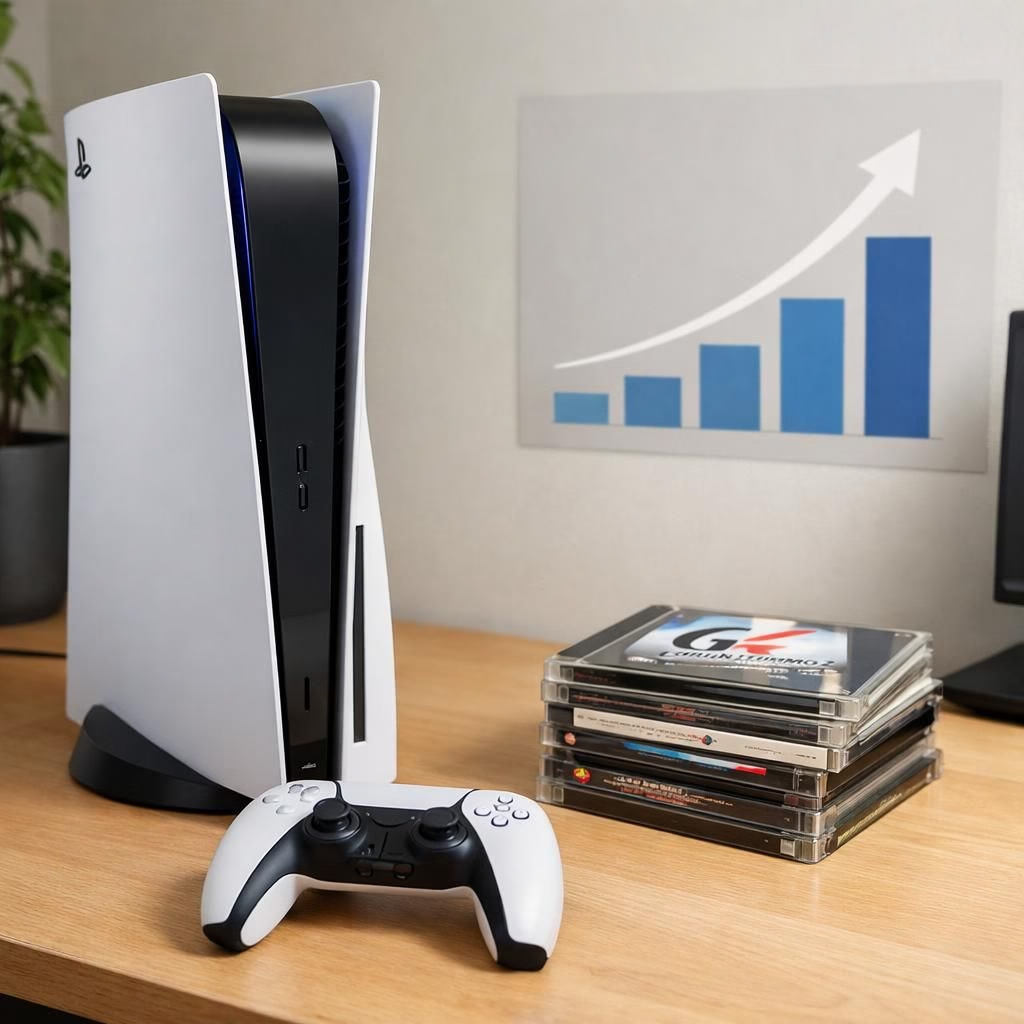
PlayStation news travels fast, then lingers, and this tale carries a wink to physical-media fans. The move in question isn’t merely a hardware tweak; it’s a policy shuffle that rethinks what ownership means in our fast-changing era. Sony signals a lighter burden for costs, faster updates, and a leaner supply chain—while honoring the retro charm that keeps a case on the shelf looking cool. The reaction from players is a blend of nostalgia, curiosity, and memes about late-night download quirks. The drama isn’t doom-and-gloom; it’s a curated step forward that respects both playtime rituals and modern efficiency. This is the kind of change that makes spreadsheets smile and gamers nod in assent, with a wink at those who still keep a shelf full of glossy discs beside the console.
PlayStation and physical-media reality check
From retail aisles to industry reports, the story is nuanced. The two-decade arc shows physical sales tapering off while digital momentum grows, a trend reflected in CNBC coverage of Sony’s disc decision and in charts from Pure Xbox. The Verge has highlighted the broader future of physical-media games, and Forbes has weighed the economics of disc abandonment. The real-world picture is not a cliff edge but a slow, practical transition—one that courts efficiency without alienating collectors or long-time fans. In practice, physical-media artifacts still carry social value, even as publishers chase predictable margins and distribution speed. The challenge is simple: preserve the joy of a tangible artifact where it makes sense, while embracing the convenience and reach of digital access. The balance point isn’t a betrayal; it’s a negotiation between memory and momentum, a carefully staged upgrade that invites both debate and discovery.
PlayStation physical-media economics explained
Economics here looks like a romance between convenience and cost. Sony’s reported savings from trimming discs include fewer components, lighter packaging, and faster shipping. Yet the resale market’s stubborn vitality matters; used copies still circulate, collectively preserving a sense of value that isn’t captured by price tags alone. The disc-to-download shift offers clear benefits: lower per-unit friction, instant access, and fewer delays on launch days. But there are caveats. Regional licensing, collector interest, and the possibility of limited reissues can complicate a disc-free path. The most credible vision blends both worlds: a digital library supported by optional, well-produced physical editions for fans who want physical keepsakes. In this view, PlayStation thrives on choice, and physical-media remains a signal of care rather than a burden on progress.
Meanwhile, the cultural moment matters as much as the balance sheets. The public conversation is lively but constructive when it stays light. For PlayStation enthusiasts, the shift means rethinking how we value our libraries. For digital-native players, it signals a kinder, faster way to build a library without sacrificing the thrill of a first-run download. The industry benefits when publishers, retailers, and players treat change as a collaborative project rather than a battlefield. The goal is a future where software arrives quickly, updates are smooth, and there is room for both nostalgic physical-media and sleek app icons to coexist without drama.
Practical takeaways for readers are straightforward. Expect near-term price alignment as the market adapts, then the comfort of immediate access and cloud backups. If you still own discs, you can explore trade-in options or display them as nostalgic accents, not mere relics. Collectors should seek limited editions that celebrate the era of tangible physical-media while recognizing that the modern library thrives on flexibility. For developers and publishers, the lesson is to design with compatibility and accessibility in mind, ensuring that classic titles remain playable across evolving hardware. And for the rest of us, the bottom line is simple: progress can feel quiet, but it still changes how we play and how we store our stories.
In the end, the conversation stays vibrant because it touches the heart of gaming culture. Some fans crave a safety net of physical-media; others rise to the challenge of a streamlined, download-first future. The plausible middle path respects both camps: maintain collectible editions and provide robust digital options. The result isn’t a loss of identity but a broader, more inclusive playground for players of all stripes. If you’re curious about the trajectory, keep watching metrics, markets, and the memories we share as a community of players.
Your thoughts matter. What excites you about PlayStation and how do you feel about physical-media in 2026? Please share your experiences, questions, and practical tips in the comments so we can learn from each other. A thoughtful discussion helps everyone navigate change with humor and clarity.
Original reporting and inspiration: CNBC’s coverage of Sony’s disc decision, with appreciation for the detailed context and thoughtful framing. For broader context on how physical-media trends intersect with resale dynamics, references from Pure Xbox, The Verge, Forbes, and TechPowerUp contributed to the conversation. Special thanks to the original sources for sparking this discussion and helping us shape a balanced view of gaming history. Original article link: CNBC — Sony’s ironic PlayStation disc decision.
FAQs
- Q: Will Sony ever drop PlayStation discs entirely?
- A: The move appears to favor digital, but The Verge notes that publishers often keep physical editions available in limited runs to satisfy collectors.
- Q: How should I value my physical-media collection?
- A: Treat it as a historical library; consider trade-ins where offered and display pieces that spark nostalgia.
- Q: What does this mean for new game launches?
- A: Expect faster access and smoother updates with optional tie-ins to physical-media editions for enthusiasts.
Practical steps for readers
- Track price trends as retailers adjust to a growing digital ecosystem and evolving physical-media demand.
- If you own discs, compare trade-in options and consider using display-worthy physical-media as part of a shelf setup.
- For collectors, seek limited editions that celebrate the era of tangible physical-media while staying mindful of compatibility.
- For developers, design with cross-compatibility and broad accessibility at the forefront to keep classics playable.
Conclusion: a balanced path forward
Change in how we buy, store, and access games is ongoing but manageable. The smart middle ground lets collectors hold onto prized physical-media artifacts while new players enjoy instant access and cloud backups. The industry benefits when everyone collaborates to keep games available, discoverable, and enjoyable for diverse audiences.