

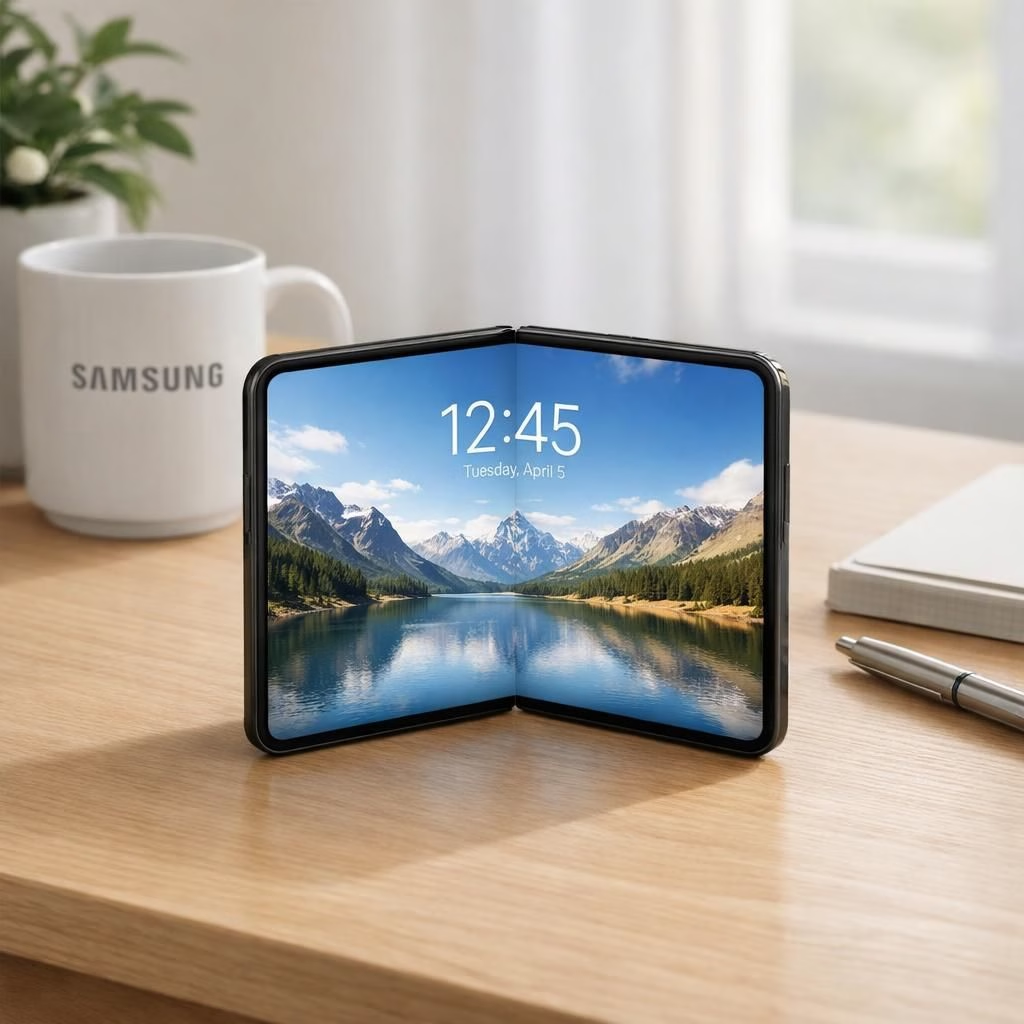
Tomorrow’s foldable event looks like Samsung’s boldest hardware reveal in years. Foldable devices are no longer niche curiosities; they’re daily tools now. Samsung leans into that reality with gusto. The company teased a brand-new wider, shorter Fold, while promising a refreshed Fold and a newer Flip. It looks like a real shake-up. It’s a strategic tilt toward a future where one device can multitask, watch, and organize a busy day. Samsung is prepping to own that momentum as Apple eyes a foldable iPhone too, so Samsung isn’t just selling phones; it’s selling momentum. Foldable is no longer a gimmick; it’s a practical approach to computing on the go. Samsung wants to own that narrative while keeping the classic Flip and Fold in the lineup. The teaser shows a ticket stub cut in half, hinting at a new shape for foldables. That playful transparency is the kind tech fans love.
Historically, Samsung‘s foldables led the market but faced bumps. TriFold chatter, creeping creases, and market missteps cooled enthusiasm. The new form factor aims to dodge those issues by widening the outer display and changing the inner-outer balance. Wider foldables aren’t brand new. Huawei, Google, Oppo, and Microsoft experimented with broad designs. Samsung‘s advantage is its ecosystem, its production scale, and timing. If Apple ships a foldable iPhone in 2026, the field could shift quickly. IDC predicts Apple will claim a large slice of value in year one. That means Samsung has two paths: push a bigger market or risk a crowded field. The best play expands the market while keeping favorites in the lineup. That means a slim Flip and a robust Fold as baselines. A wider, foldable form factor could attract a new wave of buyers. The risk of chasing Apple is real; the upside is broader adoption.
foldable momentum in 2026: Samsung’s wider Fold and the next chapter
When the actual reveal arrives, the test begins. Will the wider Fold feel natural in the hand? Will it be more like a tool or a gadget? Samsung will show updates to the Flip as well. The hinge and crease will be scrutinized. IDC data and hands-on impressions will shape early judgments. Samsung‘s messaging stays confident: this is a refined tool for daily use, not a stunt. The reported improvements include a sturdier chassis and a less visible crease. Durability matters. People want a reliable, multi-year experience. Software should feel native across apps and formats. The wider fold should stay slim when closed and practical when opened. If the hardware and software sing together, it can become a standard option for many users, not just enthusiasts.
Samsung’s balanced strategy: more foldables, smarter design, less risk
Samsung isn’t pretending to rewrite the universe. Samsung is calibrating risk with reward. The TriFold lesson still lingers as a reminder that the hardware story must match a strong product plan. The 2026 playbook emphasizes better dust sealing, reliable hinges, and solid multitasking software. The company wants a design that feels natural, not flashy. Developers matter here. If the new shape works, it will feel like a logical step forward. Samsung‘s ecosystem could gain power if the foldable remains comfortable for commuting and desk work alike. The goal is not only looks but behavior. The best foldables feel like everyday tools and not novelty items.
Samsung faces a risk that Apple’s entry could steal some sales, but the payoff could be a bigger category. Samsung’s cautious approach—keep the familiar Flip and Fold in the lineup while testing a bolder form factor—gives it room to adapt. It reads less like bravado and more like careful category-building. The teaser is a hint, not a promise, and that’s exactly the tone smart buyers prefer.
In the end, practicality will decide. If software keeps pace with hardware, a wider foldable could become a routine choice. The next months will reveal Apple’s response and Samsung‘s ability to respond quickly. Samsung’s manufacturing scale, hinge engineering, and cross-device integration offer advantages. If the new shape catches on, the foldable category could grow in unexpected ways. Professionals, students, and creators might carry foldables as daily tools rather than weekend curiosities.
As Unpacked approaches, share your thoughts in the comments. Do you want more foldables in your pocket, or do you prefer a traditional screen? Your feedback matters as the 2026 foldable landscape unfolds.
Original article inspiration and context come from The Verge’s Galaxy Unpacked 2026 coverage. Thank you to the authors for the groundwork: The Verge – Galaxy Unpacked 2026.
Frequently asked questions about foldables and Samsung
- What makes the wider Fold different from current models? The emphasis is on a wider outer display and a more natural opening experience that feels like everyday work and play.
- Will Apple’s foldable iPhone change Samsung’s strategy? A competitive iPhone could accelerate improvements across the market, benefiting many users.
- Should I upgrade if I already own a Fold or Flip? If you value a slimmer closed profile and a more durable hinge, it could be worth waiting for the broader lineup.
- When can I buy the wider Fold? Availability will be announced during Unpacked or shortly after; exact dates vary by region.
Practical takeaways for buyers
- Look for a durable hinge with a predictable crease.
- Check dust sealing and multi-app multitasking performance.
- Consider how the device fits in your daily workflow—commute, desk, and pocket use.
Conclusion: Expanding the foldable lineup is a calculated gamble for Samsung, but one that could broaden the market if the wider foldable proves practical and reliable. The unfolding story will hinge on software, hardware, and the pace of Apple’s response.