

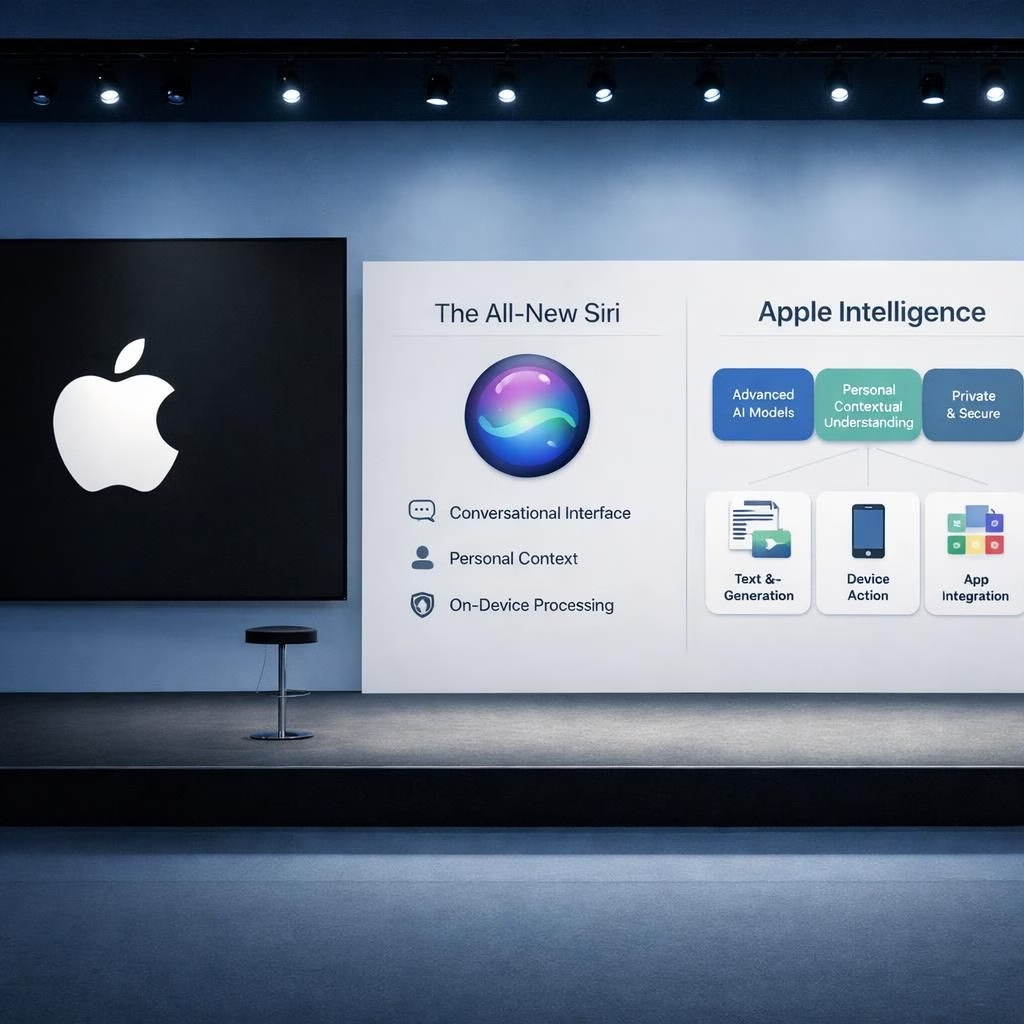
Welcome to a breezier take on WWDC 2026, where the Siri revamp is more than a buzzword and Apple Intelligence signals a smarter horizon. The vibe is practical, not a carnival of clever demos, as we watch a software ecosystem stretch its memory and trim the fluff. In 2026, the show leans into AI with a human touch, promising tools that help you get things done without turning your life into a data export. This isn’t a one-trick pony; it’s a strategy to make your tech feel like a helpful co-pilot rather than a clingy sidekick.
WWDC 2026 Preview: Siri revamp and Apple Intelligence in focus
On stage, the Siri revamp is billed as the star act, but the real plot twist is how Apple Intelligence works behind the curtain. The aim? Faster responses, smarter suggestions, and a more conversational tone that doesn’t slip into robo-speak. Apple Intelligence is pitched as a collaboration between on-device smarts and cloud-backed learning, with privacy protections that feel less like fortifications and more like thoughtful gatekeeping. The result could be a system that anticipates needs without sneaking a peek at every keystroke. In practice, this means smarter reminders, better context for search, and proactive recommendations that actually help you, not hijack your day. The tech whisperers insist this is not a magic wand but a well-tuned engine that learns your routines step by step, with an emphasis on user control and transparent options for opt-in data sharing.
Developers will hear about new APIs and toolkits designed to accelerate the Siri revamp and Apple Intelligence without blowing up existing apps. The message is clear: support for on-device intelligence will be broader, faster, and safer, giving apps a richer, context-aware experience while preserving user trust. As with any major refresh, there are worries about latency, battery life, and the dreaded feature creep. Yet early demonstrations suggest a measured approach: fewer interruptions, more useful prompts, and a deeper integration with system services like messaging, reminders, and health data. If the numbers line up, users may find their devices doing more with less friction, a welcome shift from the era of loud keynote demos that overpromise and underdeliver.
As WWDC 2026 unfolds, industry observers will watch for signals about how Apple Intelligence handles edge cases. Will the system gracefully handle ambiguity, or will it retreat to safe, generic replies? The hope is for a balanced line: intelligent enough to be helpful, but transparent enough to know when it’s guessing. In other words, the Siri revamp should feel like a confident assistant, not a pressure cooker of reminders and nudges. The preview suggests a more human-centric approach, with voice and context tuned to the user rather than the other way around. This is where the tech shines: a smarter assistant that respects your boundaries while offering useful, timely insights.
Siri revamp and Apple Intelligence: Design, ethics, and real-world use
There’s no escaping the ethics conversation around any major AI refresh. Siri revamp Apple Intelligence aims to balance usefulness with privacy, transparency, and control. Designers emphasize opt-in models, clear explanations for how data is used, and the ability to customize how proactive the system should be. In everyday life, that could translate into smarter calendar nudges, safer travel suggestions, and more intuitive media recommendations. The focus is on reducing friction without eroding trust. The Siri revamp is framed as a set of local-first features where possible, with critical tasks processed on-device to minimize data sent to the cloud. In practice, that approach can deliver snappier responses and more reliable performance in places with spotty connectivity, creating a practical win for commuters and remote workers alike.
From a product perspective, Apple Intelligence should help apps feel more connected without feeling intrusive. Think of a shopping app that suggests replenishment before you run out or a health app that nudges you toward a healthier routine with gentle, actionable tips. The risk, of course, is creating a false sense of companionship. The best outcomes will occur when the system knows when to listen and when to stay quiet. To foster this discipline, Apple is expected to publish clearer guidelines for developers and better privacy toggles for users. The goal is a cohesive experience where Siri revamp and Apple Intelligence feel like a single, well-rehearsed chorus rather than a chorus line from an overly ambitious show.
Real-world use will hinge on how apps adopt the new capabilities. Early adopters might push the envelope with smarter automation, but there will be a learning curve for developers to unify tone, pacing, and privacy across apps. Expect enhancements to reminders, messages, search, and context-aware suggestions that respect user boundaries. It’s not all memes and hype; there will be careful testing for accessibility, language support, and inclusivity as the platform expands. If the ecosystem delivers on the promise, users will notice devices that “get it” faster, with fewer prompts and a calmer, more reliable sense of digital companionship.
Design, accessibility, and the future of user-controlled AI
The conversation around accessibility will be loud at WWDC 2026. Apple Intelligence and the Siri revamp are positioned to empower users with diverse needs. Voice commands that recognize accents and speech patterns more accurately, better screen-reading integration, and more intuitive controls for people who rely on assistive technologies could become standard. The design emphasis is on clarity and simplicity, not gimmicks. In this sense, the event may deliver a practical blueprint for inclusive AI that doesn’t sacrifice power for polish. If Apple succeeds, the future of AI-assisted living could feel less like a sci-fi dream and more like a helpful neighbor who remembers your preferences and respects your routines.
For developers, the roadmap will include more predictable update cycles, robust testing tools, and clearer guidelines about how far personalization should go. The goal is a thriving ecosystem where apps can leverage Apple Intelligence without creating dissonant user experiences. The key is consistency: consistent performance, consistent privacy protections, and a consistent user experience that feels reliable across devices and contexts. The result could be a richer, more connected day-to-day life, with AI acting as a support system rather than a constant nudge machine.
As always, the best tech moments are those that blend excitement with practicality. The Siri revamp and Apple Intelligence push at WWDC 2026 promises a smarter, kinder, more useful set of tools. Developers will be watching for how the updates translate into tangible improvements for end users, while users will be hoping for fewer interruptions and more meaningful interactions. If the trend lines hold, 2026 could become a year when AI feels helpful, safe, and surprisingly human in the right moments. And yes, there will be a few moments of playful skepticism, which is a healthy sign that the community is paying attention and asking the right questions.
What does this mean for you? Expect quicker responses, smarter context, and more reliable automation in everyday tasks. If you’re creative, you’ll have more room to tailor experiences with robust tooling, while privacy-conscious users can breathe a little easier thanks to on-device processing and transparent controls. The balance of ambition and restraint may define the tone of this year’s rollout, making WWDC 2026 not just a showcase of shiny features but a thoughtful approach to integrated AI that respects users and their data. As the show closes, the real work begins: turning bold ideas into dependable, everyday tools you actually want to use.
Have thoughts on how Siri revamp and Apple Intelligence will shape your day-to-day tech? Please share your perspectives in the comments below so we can continue the conversation and learn from each other’s experiences.
Original reporting and inspiration: TechCrunch: WWDC 2026 Preview — a heartfelt thank you for the original coverage and ideas that helped shape this reflective take.
Frequently Asked Questions
What is the Siri revamp and how does it differ from prior versions?
The Siri revamp centers on on-device learning, privacy-friendly prompts, and more natural conversation. It aims to reduce friction with smarter context and fewer interruptions.
When can we expect iOS 27 and Apple Intelligence updates?
Apple typically aligns new OS releases with WWDC and ship public betas shortly after the keynote. Expect a staged rollout through the year with a focus on developer tooling and user privacy.
How will accessibility be improved with these updates?
Expect better voice recognition across accents, improved screen-reading integration, and easier controls for assistive technologies, all designed to be inclusive from day one.
Conclusion
In sum, WWDC 2026 looks like a thoughtful, practical step forward for Siri revamp and Apple Intelligence. The emphasis on privacy, on-device processing, and user control could make AI feel more like a trusted assistant than a constant navigator. As always, the best moments will come from real-world use and careful refinement more than flashy demos.
References
Original reporting and inspiration: TechCrunch: WWDC 2026 Preview — a heartfelt thank you for the original coverage and ideas that helped shape this reflective take.
External References
For further reading: Apple WWDC Official Page · Apple Privacy · The Verge: WWDC 2026 Preview.