

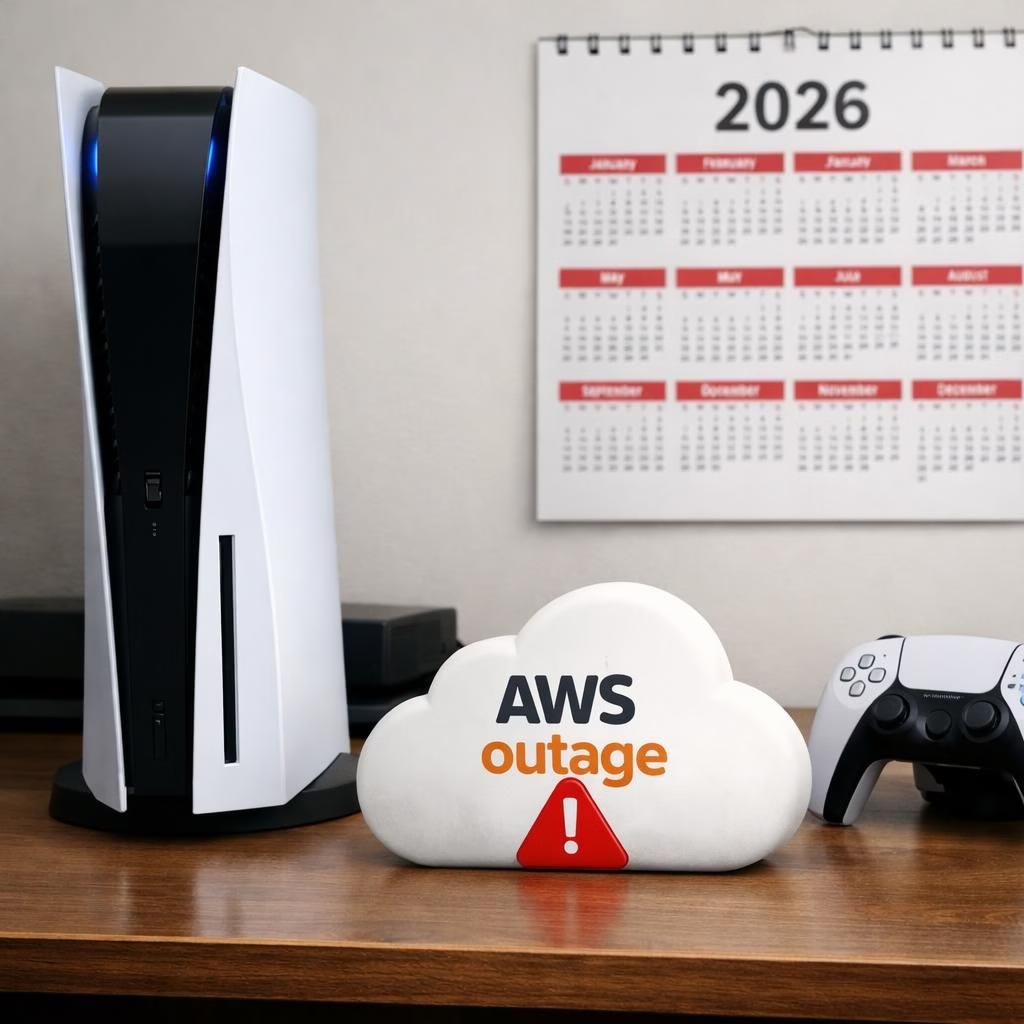
PSN surged into a tense stretch as a AWS outage collided with rising demand in 2026. The days of flawless online gaming looked distant, a reminder that a cloud-based empire runs on tiny, loud tickets. Gamers reported login struggles, long queues for updates, and the odd hesitation when launching a match. On the surface, it felt like a routine hiccup, yet the ripple effects reached every region. The outage highlighted the delicate balance between entertainment and infrastructure. Many players switched to single-player titles, or older offline modes, to pass time. Analysts warned that cloud reliance carries hidden risks, like weather in a digital sky. Still, resilience emerged as the unexpected main character. This is not a post-mortem but a case study in downtime diplomacy.
PSN and AWS outage: 2026 recovery snapshot
PSN teams implemented regional failovers, service quarantines, and burst traffic controls to stabilize the network. In parallel, operators tuned load balancers and re-tuned edge caches to reduce idle time. Communications improved as status dashboards gave players a sense of progress. By mid-day, the traffic pattern began to resemble a familiar, normal rhythm again.
Regional differences mattered as some servers blinked back to life faster than others. The lesson for cloud-connected services is not to chase unicorns but to design for graceful degradation. The outage showed that even massive stacks must handle spikes from new features and concurrent logins. Many players who rely on streaming or remote play found a smoother path by sticking to offline modes or single-player experiences. Support channels filled with questions about timelines and expectations. Yet, the mood in gamer communities shifted toward cautious optimism; people admired the quiet march toward stability rather than loud apologies.
Operators posted frequent updates, and communities built waiting-with-dignity playlists of nostalgic games to pass the time. The broader tech angle emphasized that redundancy in storage, networking, and API endpoints matters more than a shiny new feature. In short, the outage was a reset button, teaching patience to millions and rewarding those who planned for downtime. That AWS outage underscored the need for redundancy beyond a single cloud provider’s region, including storage and API endpoints. PSN endured a test of its continuity expectations through the episode.
Practical takeaways for players
- Keep offline backups of essential saves and game data where possible.
- Maintain local copies of important files and consider alternate offline modes for long downtimes.
- Monitor official status pages and trusted communities for real-time guidance.
- Prepare a short offline rotation of games to enjoy during outages.
AWS outage lessons: resilience, redundancy, and recovery timing
From a technical perspective, the incident underscored how cloud services must offer robust regional diversity, not a single nerve center. Vendors should design automatic failover paths that stay within acceptable latency budgets and do not surprise operators with unexpected cooldowns. Teams revisited incident response playbooks, rehearsed communication templates, and defined clear escalation paths to speed up restoration. Gamers learned a simple truth: each second of unavailability is more than a missing score. This is why service-level agreements and real-time monitoring dashboards became the new battlegrounds. For developers, it was a reminder to build features with graceful degradation. Feature toggles, namespace isolation, and region-aware deployments prevent a single failure from dragging down an entire platform. The broader consumer takeaway is practical: when you bet on a cloud, you also bet on the teams that run it. The 2026 incident isn’t the end of a story; it’s the prologue to a more resilient future.
Practical takeaways for players include keeping offline backups of essentials, maintaining local saves, and planning for occasional downtime. Staying informed via official status pages and trusted community channels will save frustration when the next hiccup arrives. Sharing tips about workarounds and game modes that work offline helps build collective resilience. And yes, you may want to stockpile a few evenings of solo games as a precaution.
FAQ
- What caused the outage? The disruption was driven by a failure in core AWS services that affected authentication and matchmaking for PSN.
- Will PSN be down again? Downtimes can recur with complex cloud setups, but providers typically implement redundancies to limit impact.
- How can I prepare for future incidents? Keep local saves, monitor status pages, and diversify your gameplay by trying offline modes.
- Where can I read the official updates? Check PSN’s official status page and AWS status dashboards for real-time information.
Have thoughts about this outage? Share your experiences in the comments and help others navigate future disruptions.
Original reporting inspiration and materials: A big thank you to Push Square for their original coverage and analysis. Read their article here: Push Square: PSN down outage coverage.