

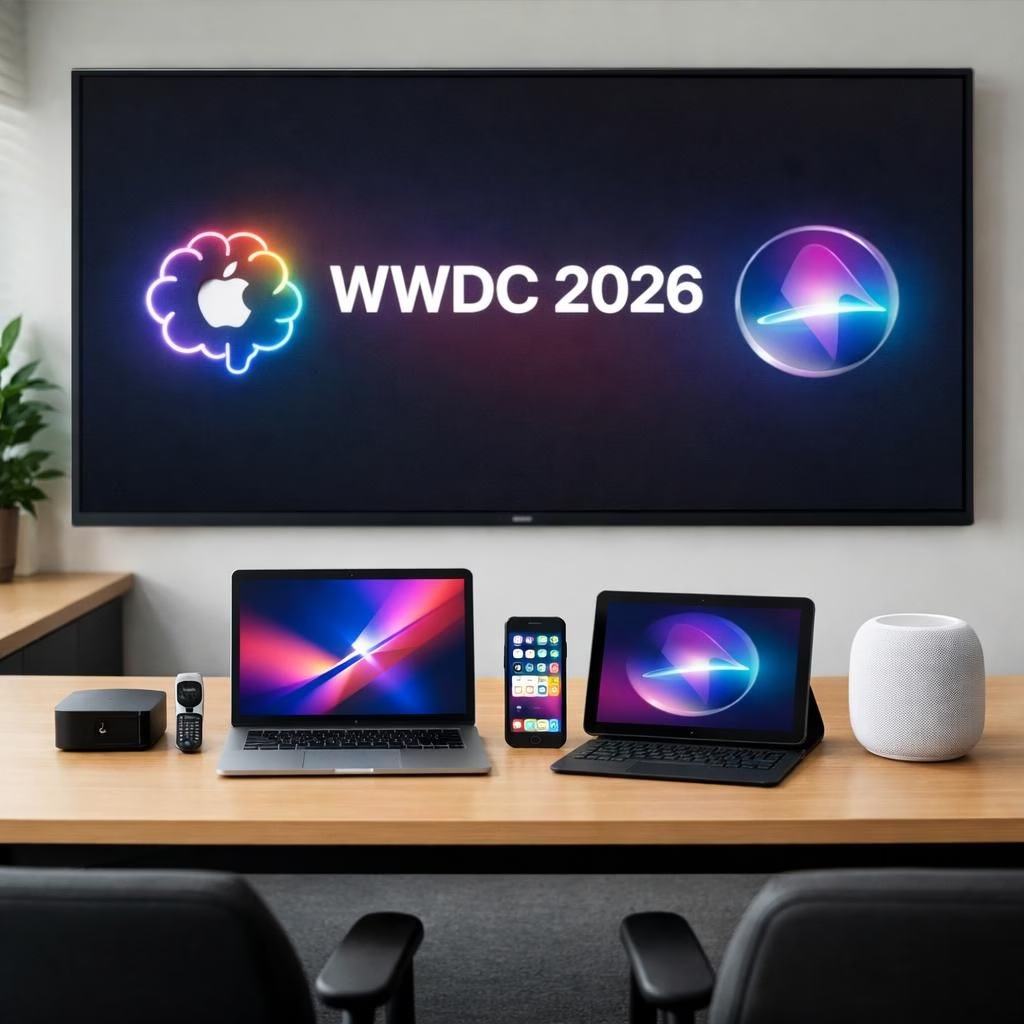
WWDC 2026 is shaping up as a broad stage for Apple Intelligence and Siri to shine, with nine devices on the radar. The keynote rumor mill paints a software refresh that makes Apple Intelligence feel integrated, not optional. It aims to weave smarter context into everyday use, so Siri can predict what you want before you finish the sentence. This is a practical upgrade, not a geeky gimmick, and it promises to improve multitasking, customization, and cross-device flow. Expect the vibe to be positive and practical: a little light humor, a lot of speed, and a focus on making your daily tech feel less like a puzzle and more like a helpful sidekick.
Apple Intelligence: A hardware-software duet
At the hardware level, WWDC 2026 is rumored to showcase upgraded Macs and a set of hybrid devices designed to blur the lines between laptop, tablet, and desktop. The throughline here is Apple Intelligence, the software spine that aims to make every device feel like it’s reading your mind—without actually reading your mind. In practice, that means smoother app switching, smarter suggestions, and a steadier handoff when you switch from one screen to another. The Mac Mini, often cited in leaks, could appear with restricted RAM or storage configurations due to supply-chain quirks. That’s not a disaster; it’s a nudge toward a tiered ecosystem where enthusiasts can still get the power they want, while casual users enjoy solid baseline performance. Apple Intelligence will be the thread that keeps this hardware tapestry coherent, and Siri will be the friendly courier delivering context-aware actions across devices as you move through your day.
From a software perspective, the makings of iOS and iPadOS multitasking improvements look promising. Expect improved windowing, smarter split views, and more ways to customize your home screens so you can get tasks done faster. Apple Intelligence becomes the backstage crew here, preloading likely apps and suggesting next steps in a way that feels helpful rather than pushy. Siri enters the stage not as a single feature but as a broader improvement to how context and speed power daily routines. If you’ve ever asked Siri to pull up a document while you juggle a video call and a note, this update should feel notably snappier and more accurate, reducing the number of prompts you have to re-enter. The synergy between Apple Intelligence and Siri is the key story of this hardware-software duet, turning a collection of devices into a more cohesive ecosystem.
Siri: context, speed, and multitasking across iOS/iPadOS
Siri is positioned as a core productivity booster rather than a novelty feature. Developers and users alike hope to see improved contextual understanding, so Siri can interpret the intent behind a request—whether you’re rescheduling a meeting, setting up a reminder, or handing off a task to another device. The speed improvements matter, too; fewer waiting moments mean more fluid interactions as you switch between apps, messages, and media. For iPhone, iPad, and Apple Watch, Siri should offer tighter integration with multitasking features, enabling faster task switching and more natural voice-driven navigation. The result is a more seamless experience where you feel like you’re controlling your environment, not fighting with it. The recurring benefit is less friction in everyday actions, allowing you to focus on the content you’re creating or consuming, rather than on the tool you’re using to manage it. Siri‘s role here is to anticipate, not to interrupt, which is exactly the approach Apple Intelligence aims to cultivate across the software stack.
Apple Intelligence in the home and on the TV: Apple TV, HomePod, and the M5 chip family
Beyond the wrist and pocket, Apple Intelligence is set to weave through the home via Apple TV, HomePod, and related smart-home experiences. A more integrated HomeKit story, smarter automations, and more reliable entertainment control should be on the menu. The hardware story remains tied to the M5 chip family, a powerful yet efficient backbone for on-device AI tasks and responsive control of smart devices. This is where the synergy between Apple Intelligence and Siri shines: they can push smaller, smarter actions to HomePod or Apple TV, keeping the center of gravity in the living room and the rest of the house in harmony. However, supply-chain constraints on RAM and storage are likely to temper the launch cadence and configuration options for some devices. Even with those limits, the overarching goal remains clear: a more cohesive, intuitive, and responsive ecosystem where Apple Intelligence acts as the conductor and Siri as the expressive vocalist.
What this could mean for users: practical takeaways from Apple Intelligence and Siri
- Cross-device continuity should feel more natural, thanks to stronger Apple Intelligence orchestration. When you start a task on one device, you should be able to pick it up on another with less friction, and Siri will help bridge gaps with context-aware prompts.
- Multitasking enhancements on iOS and iPadOS may let you juggle apps more efficiently. Expect smarter suggestions and faster app switching, with Apple Intelligence handling the heavy lifting behind the scenes.
- Customization options will likely expand, allowing you to tailor how much Siri nudges you and how Apple Intelligence surfaces information. This is a win for power users and newcomers alike, as the system adapts to your habits without feeling prescriptive.
- Hardware updates will bring improved performance in Macs and hybrid devices, though some configurations may be restricted due to RAM/storage constraints. If you’re chasing maximum specs, plan for a tiered approach and keep an eye on availability.
- Home and TV experiences should become more intuitive, with smarter automation and a more responsive smart-home interface. Siri executes them with calm efficiency.
Throughout this WWDC, the tone is pragmatic optimism. Apple Intelligence is framed as a way to reduce friction, not to overwhelm. Siri is pitched as a reliable partner who knows your context and can move pieces around the board without you micromanaging every move. Hardware and software co-evolve, and the M5 chip family provides the muscle for on-device AI tasks, while Apple TV and HomePod recipients become more intelligent home companions. The result is a more fluent ecosystem where Apple Intelligence and Siri collaborate in the background to deliver a smoother, more productive experience without turning your life into a firmware update montage.
As always with this kind of event, supply-chain realities matter. RAM and storage constraints could temper the initial launch and restrict certain configurations, particularly for the Mac Mini and some hybrid devices. But the longer arc remains clear: Apple Intelligence and Siri are designed to make the day-to-day feel easier, with smarter suggestions, fewer prompts, and a better sense of what you want to do next. In the hands of smart people and careful planning, this could translate into a genuinely calmer, more capable tech routine for many users.
Original WWDC 2026 coverage: Geeky Gadgets coverage.
We’d love to hear what you think about Siri at WWDC 2026. Please share your thoughts in the comments below.
Practical steps to get ready for WWDC 2026
- Review Apple’s official WWDC page for keynote timings and developer sessions. Official WWDC page.
- Note which features you care about most, especially how Apple Intelligence and Siri could affect your daily workflow.
- Prepare your devices for potential RAM/storage configurations by backing up data and planning upgrade paths if needed.
Frequently asked questions
- What is Apple Intelligence? A software layer that enhances context, speed, and cross-device actions across the ecosystem.
- Will WWDC 2026 include iPhone updates? The event will emphasize Macs, wearables, and smart-home tech; iPhone updates may arrive later in the year.
- How could RAM/storage constraints affect releases? Some devices may ship with reduced configurations, with broader options added later.
- How can I prepare? Follow official channels, update your devices when available, and decide which features you want most.
- Where can I learn more? Check reputable outlets and the official Apple pages for confirmed details as they surface.
Conclusion: a pragmatic look at the future
WWDC 2026 looks set to push Apple Intelligence and Siri further into daily life. The plan centers on fewer prompts, faster actions, and broader device collaboration. While supply chain limits may temper some configurations, the long-term direction remains clear: a more coherent, responsive, and productive Apple ecosystem.
References
- Original source: https://www.geeky-gadgets.com/wwdc-2026-hardware-leaks/