

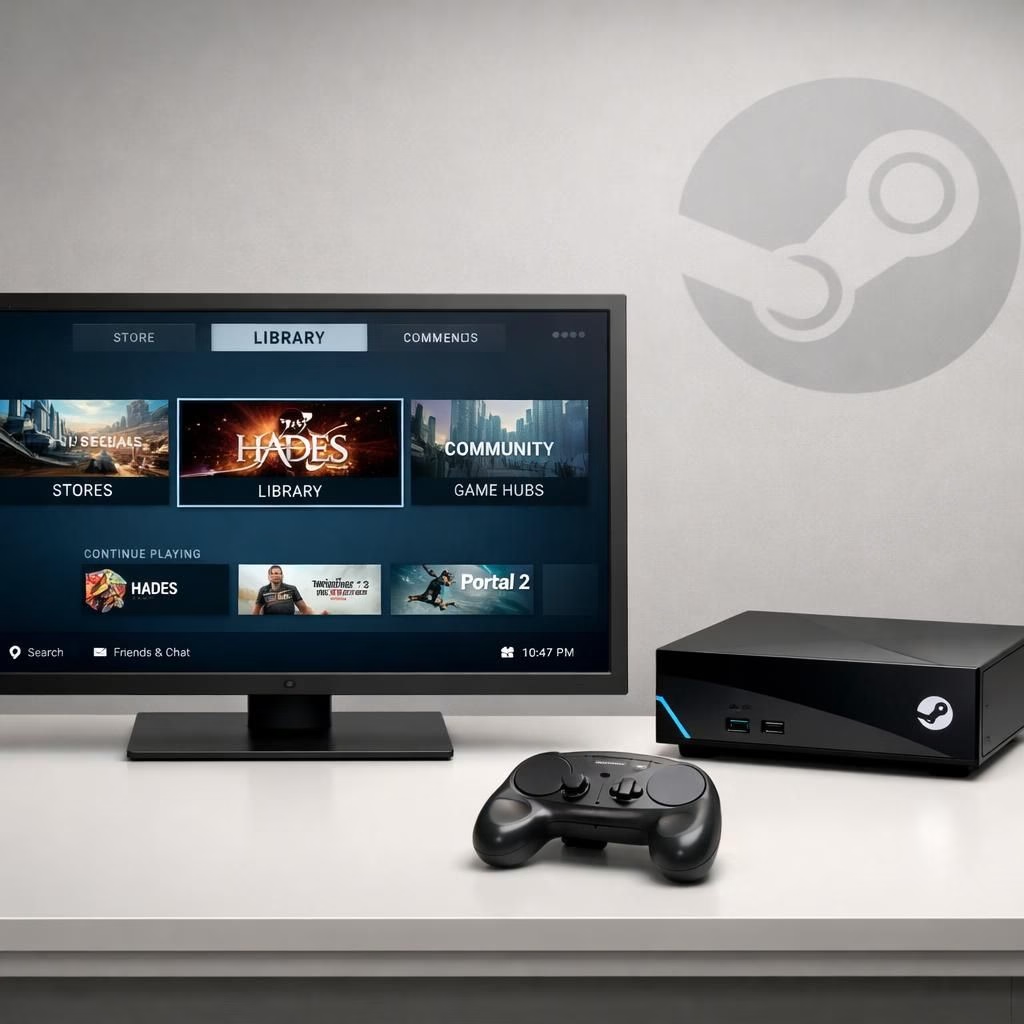
Valve’s latest GDC 2026 briefing covers the Steam Frame and Steam Machine as part of a broader push toward verified experiences in living rooms. The message emphasizes easy setup, compatibility, and a unified store experience. The Steam Frame returns as a concept with a VR tilt, while the Steam Machine returns with a focus on compatibility and ease of use.
Steam Frame Strategy for 2026
Steam Frame Strategy for 2026 is not a secret handshake; it is a playbook. Valve outlined verification criteria that stress stability and predictable updates. The Frame is talked about as a neutral hub that can connect to TVs, displays, or a compact PC. The emphasis on standalone support means users can power Frame with built-in compute, or pair it with a lightweight PC. The result is a flexible device that can slot into a living room without forcing a desktop tower to sit on your coffee table. The Frame’s VR plan, while still evolving, aims to keep price and performance in a comfortable range for families. The plan is to avoid the trap of over-hype and under-delivery.
Steam Machine in 2026: Living Room Goals
Steam Machine is back in a friendly way. The talk framed it as part of a broader Steam Hardware ecosystem, not a shell game. The Steam Machine‘s verification path includes performance benchmarks for streaming, local gaming, and compatibility with SteamOS. Valve suggested that games should run reliably, with consistent frame rates and minimal latency. The Machine was described as a living room companion, not a gadget to hide in a closet. The idea is to offer a familiar Steam experience, tuned for living rooms and shared spaces. The team stressed that this isn’t a push for a single perfect box, but a balanced approach that respects different setups and budgets. They showed a detailed road map, including updates to drivers, firmware, and UI, all designed to be delivered without dramatic fanfare but with steady reliability. This approach echoes their broader strategy: fewer gimmicks, more polish.
Steam Frame Integration: TV, Apps, and VR
VR news also appeared, with Forbes noting that Steam Frame VR is confirmed for 2026 alongside Steam Machine. The VR angle remains part of the conversation. Valve wants a comfortable entry point for VR, not a leap into space-age hardware. The combined narrative suggests Valve seeks a cohesive, scalable stack, where Frame, Steam Machine, and VR software share core services and a unified store experience. That coherence matters because it reduces the friction of buying multiple devices that don’t play well with each other. In practice, you gain a smoother upgrade path and less hardware fatigue.
Verification Principles for Hardware and Software
From a practical standpoint, the verification requirements cover both hardware and software. Valve walked through a transparent checklist: hardware compliance, safety checks, driver compatibility, and app readiness. In short, the devices must be predictable and user-friendly. The aim is to minimize post-purchase surprises. The team also touched on ecosystem considerations: accessories, controllers, and streaming options should be tested together so users won’t face a mosaic of partial solutions. A unified approach helps developers too, ensuring a more stable storefront and consistent performance across devices.
As a reader, you may wonder how this affects you. If you value easy setup, clear specs, and reliable updates, this news reads as a welcome breath of practicality. It signals Valve’s intent to slow down the hype cycle and deliver real, testable progress. It also hints at a future where Steam does not force you into a rigid hardware funnel. Instead, you gain choices: Frame can sit on a shelf; Machine can live under a TV stand; VR experiences can scale with your space. The combined strategy aims to respect both gamer desks and living rooms, a rare win in a market that sometimes treats warmth like a feature you can buy and forget.
For those who track the rumor mill, the official statements align with earlier reporting from VideoCardz and PCMag, reinforcing a consistent narrative: Valve wants verification that users can trust. The messaging also underscores that 2026 will be a year of incremental, meaningful updates rather than sudden, disruptive overhauls. If you’re planning a living-room upgrade, you can consider waiting for the verified options or exploring early hardware with a clear return policy. The balance struck by Valve here is subtle but notable: fast, practical progress with a high bar for quality. This is not a flashy promo; it is a plan grounded in reliability and user experience.
In closing, if you want to stay ahead of the curve while keeping your budget intact, this GDC 2026 coverage matters. The Steam Frame and Steam Machine stand as a renewed commitment to a holistic ecosystem. The emphasis on verification ensures that what ships actually works well. As always, Valve’s approach blends pragmatism with the occasional wink, indicating that hardware can be friendly, approachable, and enjoyable. The result could be a smoother path to a couch-friendly PC gaming setup that feels polished, not rushed.
What do you think? Share your thoughts in the comments below.
Original article: VideoCardz coverage of Valve Steam Frame and Steam Machine at GDC 2026. A big thank you to VideoCardz for the original reporting and context that helped shape this piece.
External sources
- Forbes coverage of Steam Frame and Steam Machine plans
- PCMag coverage of Valve hardware plans for 2026