

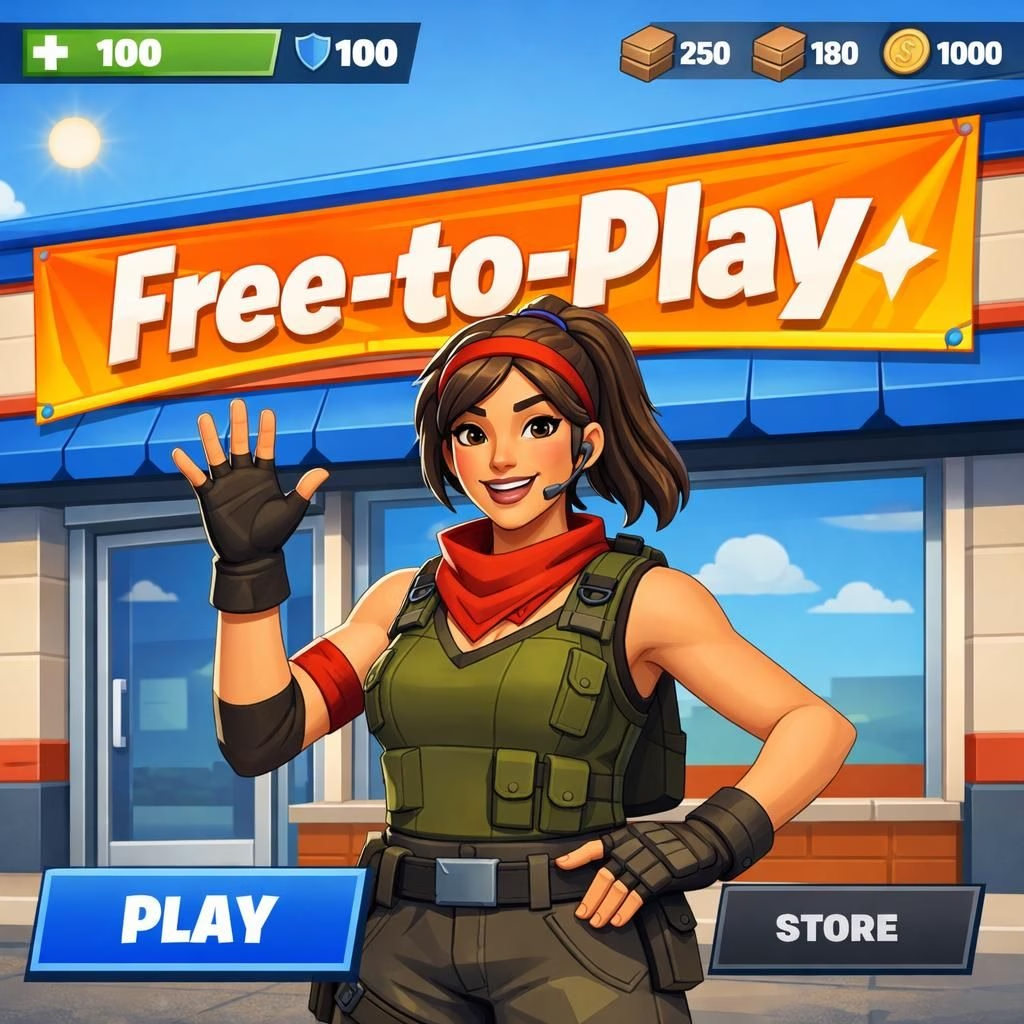
Fortnite Free-to-Play fans rejoice, because 2026 is shaping up to be the year when the original co-op grind of Save the World gets a brighter, more welcoming spotlight. The big shift isn’t a seismic reboot; it’s a thoughtful nudge toward accessibility. In plain terms, Fortnite Free-to-Play is entering the mainstream spotlight, and it isn’t shy about inviting new players to join the party. The core truth remains: Save the World will become Free-to-Play next month, with cross‑platform access spanning Nintendo Switch 2, Xbox, and PlayStation ecosystems. It’s not a gimmick; it’s a genuine invitation to build, defend, and loot together without an upfront paywall. And yes, the marketing folks are smiling, because a larger audience means more teamwork, more memes, and more opportunities to show off clever forts built from those seasonal skins that somehow look better when you’re not paying for them up front.
From the glossy press release to the quiet whispers in community chats, the tone is practical rather than pompous. The shift to the Free-to-Play model isn’t about erasing the past; it’s about expanding the present. Players who previously dismissed the game’s paid border can now sample the early game loop, see how the base-building mechanics feel in practice, and decide whether to dive deeper with optional cosmetics, battle passes, or limited-time events. The change aligns with a broader industry trend: when you lower the barrier to entry, you win more long-term fans—and also more feedback, which helps the core game improve. Fortnightly, weekly, or whatever cadence you prefer, the response from long-time fans and newcomers alike has been a mix of cautious optimism and gleeful curiosity. In short, the fort is opening, and you’re invited to walk in with friends.
Fortnite Free-to-Play Realities in 2026
The Move to Free-to-Play isn’t a single line item on a press release; it’s a multi-layer strategy. First, the big headline: Save the World becomes accessible without a purchase, removing the immediate barrier that once kept curious players at bay. This is paired with ongoing platform partnerships, such as Switch 2 readiness, reinforcing the idea that the Fortnite universe thrives most when it is easy to reach. The Free-to-Play shift doesn’t rewrite the game’s core loop; it clarifies it. Crafting, mission-based co-op, and base defense remain the heartbeat. The perk is simply: you don’t have to pay to hear that heartbeat in the first place. That’s a meaningful, gamer-friendly tweak that resonates with players who want to try before they buy, or (more accurately) try and stay for the social and cooperative gameplay surrounding it.
Alongside this, the historical arc matters. Fortnite’s enduring popularity has always relied on a mix of accessible play, stylish cosmetics, and a steady stream of updates that keep players engaged without punishing new entrants with steep entry costs. The 2026 shift leans into that ethos. It’s not a vanity project for veterans; it’s a genuine invitation for new builders, shield-wielders, and strategist types who want to explore the world without a paywall gating the experience. The first impression in many minds is simple: this is a kinder, more inclusive way to explore a game that has sometimes felt daunting to new players stepping into a sprawling, evolving sandbox. In practice, that means more friends joining, more co-op builds on weekend nights, and more laughter when someone places a tiny turret that somehow changes the tide of a mission in a ‘friendly-fire-is-okay’ kind of way.
Fortnite Free-to-Play Across Devices: Switch, Xbox, PS
Device parity is a hot topic in any cross‑platform ecosystem, and this release plan is careful, not chaotic. On Nintendo Switch 2, players will notice the Free-to-Play entry point is designed to feel smooth and inviting, with performance and control options tuned for a handheld-friendly experience. On Xbox, the paywall relief extends to those who just want to see if the Save the World-coop loop scratches that itch without committing to a purchase. And on PlayStation (PS5/PS4), the Free-to-Play pathway is similarly accessible, while still acknowledging the longstanding community that has supported the broader Fortnite universe for years. The upshot: you can hop in, test your fort-building chops, and decide how deeply you want to invest in cosmetics, battle passes, or special events. No pressure, just possibility—and a lot of cheerful chaos when teammates forget to fortify the walls in the right direction.
Historically, such changes have mixed implications for progression, monetization, and community culture. Some players relish the opportunity to explore with friends who previously would have stayed away; others worry about the impact on balance and the value of paid content. The developers are guiding this carefully by keeping core gameplay rewarding even in Free-to-Play mode, preserving the sense that effort, teamwork, and creativity still pay off. The broader community response has mixed feedback—some celebrate the accessibility and cross‑play potential; others watch for shifts in how skins, boosts, and seasonal rewards are distributed. The reality remains pragmatic: more people enjoying the game’s cooperative core is a net positive for the ecosystem, as long as the new influx respects the game’s balance and the players who’ve stuck around for years. Fortnightly dragons may still lurk, but the door is wider now, and it’s hard not to smile at the prospect of more creative fortifications, more teamwork, and more unexpected moments of hilarity when a build unexpectedly outsmarts a boss with a well-placed trap—even if you didn’t pay for it in the first place.
Fortnite Free-to-Play, Achievements, and the Platform Mix
Another notable thread in the narrative is the Paywall Payoff that used to stand in the way of certain features—like Xbox achievements—being fully accessible to broader audiences. Reports indicate that paywalls around achievements are easing, with some features becoming more readily available as part of the Free-to-Play rollout. That means new players can chase achievements, experience the sense of progress, and feel the same thrill that veterans do when a tricky mission is finally completed. It’s a small but meaningful shift toward a more inclusive, player-centered experience. While veterans may still chase elusive cosmetics and rare drops, the barrier to trying the game is lower, and the sense of community is higher. If you’re wondering whether this dilutes the game’s value, the early indicators suggest the opposite: more players and more positive word-of-mouth tend to boost the long-term vitality of any live-service title.
In a broader context, this aligns with long-running narratives about live-service games: accessibility drives engagement, and engagement drives feedback, which in turn can lead to healthier development cycles. The community gets more input, the developers get more data, and everyone gets a more resilient, evolving product. It’s not a perfect system—nothing is—but it’s a thoughtful, human approach to keeping a game alive in a crowded marketplace. And let’s be honest: a big, busy Fortnite ecosystem means more opportunities for clever player-made forts, inventive traps, and those glorious moments when a plan comes together in a way that only a cooperative online game can deliver. Fortnightly joy can be found in the smallest details, and 2026 is reminding us of that with a friendly wink.
Two more policy-like observations to close this section: first, the Free-to-Play model doesn’t erase the value of paid content; it redefines the starting line, not the finish line. Second, the Switch 2 and other platforms are essential players in this strategy, ensuring that accessibility isn’t sacrificed for performance or prestige. The result is a more inclusive Fortnite experience that still respects the work of creators and the dedication of longtime fans. The community response has been lively, creative, and hopeful, with players testing new ways to coordinate builds, defend objectives, and celebrate teamwork as the game grows into its most welcoming iteration yet.
As always, the best part of a major shift is the opportunity to listen. If you’re a veteran, you get a fresh take on the world you love. If you’re new, you get a clear invitation into a universe that rewards curiosity and collaboration. And if you’re somewhere in between, you get a chance to sample the landscape without the upfront barrier that once kept you out. The 2026 Free-to-Play path for Fortnite feels less like a radical overhaul and more like a community‑driven evolution—an evolution that invites everyone to build, defend, and laugh together in bright, blocky, and brilliantly chaotic fashion.
We’d love to hear your experiences as you try the Free-to-Play path in 2026. Share your thoughts in the comments below, and tell us which platform you’ll start on and what you’re most excited to build with your friends.
Original reporting and gratitude: Thanks to Push Square for the original article The Mode That Almost Killed Fortnite Is Free-to-Play from Next Month. Original source: The Mode That Almost Killed Fortnite Is Free-to-Play from Next Month. Thank you to the original source material for inspiring this discussion.
Fortnite Starter Tips with Free-to-Play
- Pick a platform and sign in to ensure cross-play is ready
- Join a squad to learn base-building with friends
- Experiment with early missions and sample cosmetics via free rewards
FAQ about Fortnite Free-to-Play
Is Save the World truly free to play next month?
Yes. The Save the World mode becomes accessible without an upfront purchase across supported devices, enabling players to test the core co-op loop before committing to cosmetics or passes.
Will paid content still exist after the switch?
Yes. While the entry point is free, Epic and partners will continue offering cosmetics and optional upgrades. The aim is to preserve choice without blocking access to core gameplay.
Does Free-to-Play affect progression or cross-play?
Progression and cross‑play remain intact. The move focuses on lowering the barrier to entry, not erasing the value of effort, teamwork, and earned rewards.