

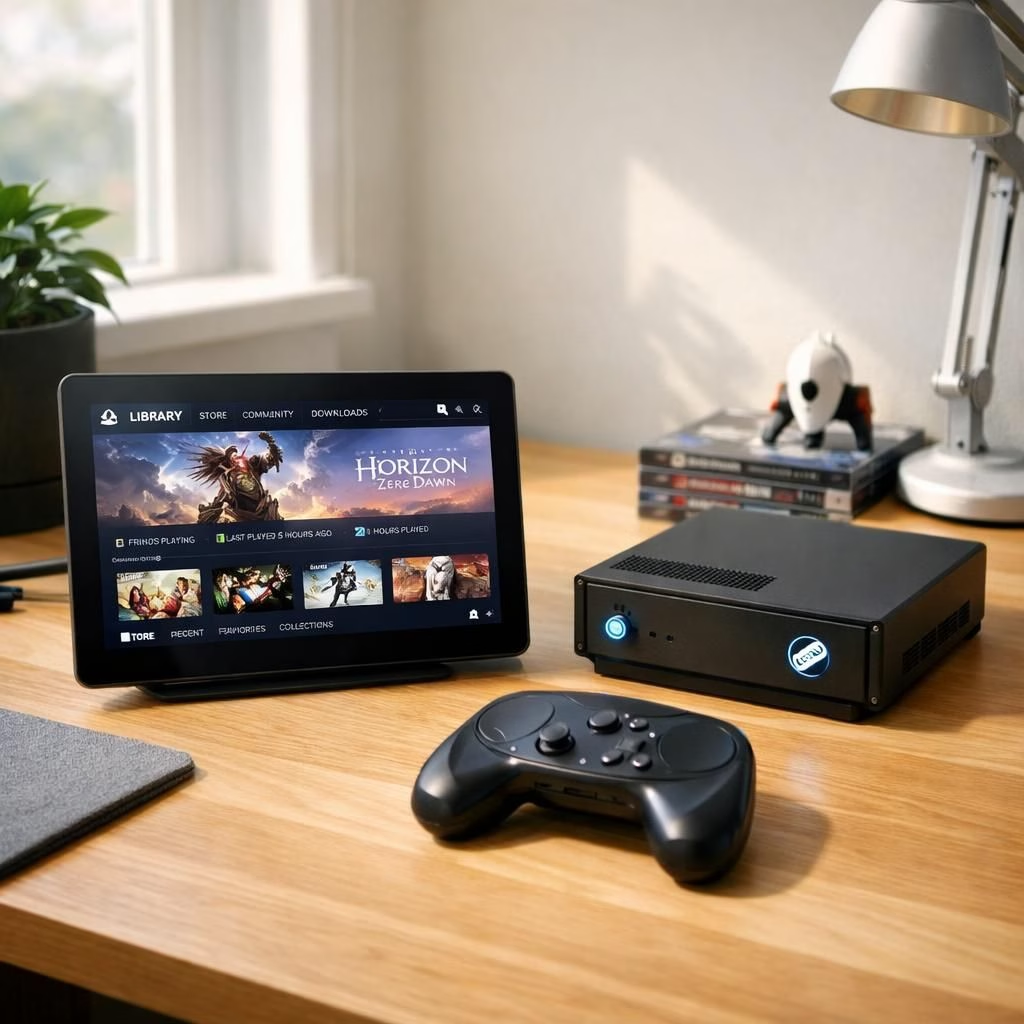
Valve just teased a Steam Frame Welcome Tour, and the timing lines up with a summer release window. The tone is upbeat, and the coverage is playful yet informed. In 2026, this is how you drum up excitement without overpromising, appreciating the details of Steam Frame polish and the idea of a Steam Machine making a quiet comeback.
Steam Frame and Steam Machine in 2026: What this means
For gamers and trend watchers, the news feels like a convergence of two familiar sensations: the magic of a well-designed platform and the nostalgia of a hardware project that refused to disappear. The Steam Frame, in this storytelling moment, is not just a gadget rumor. It represents Valve leaning into an ecosystem approach. The Steam Machine idea, reimagined this time around, focuses more on software polish, streamlined hardware compatibility, and a price-to-performance balance that respects your wallet and your time. In 2026, the expectation is not a thrill ride but a steady, confident demonstration of how a platform can evolve while staying friendly to indie developers and everyday players. The coverage from PC Guide and other outlets signals that the window is real, not just a blog post fantasy.
What matters most is the signal: Valve intends to show progress, not mystery. The tour is meant to walk through the basic experience—how you switch between SteamOS, Steam Deck capabilities, and a future Steam Frame interface that fits neatly into living rooms and desks alike. The energy around Steam Frame is a reminder that a successful device often rests on three legs: compelling software, dependable hardware, and an accessible path to developers who want to ship games that feel native to the machine. Steam Machine contenders from years past set a blueprint; this time, the blueprint is cleaner, more modular, and a little kinder to producers who prefer to push updates rather than overhaul the core system.
Steam Frame and Steam Machine — what to expect this summer
Speculation aside, the practical takeaway is straightforward. Valve wants a summer window that gives players a chance to test early prototypes, report feedback, and keep momentum without burning through your vacation days waiting for shipments. The framing around a ‘welcomed tour’ means expect live sessions, demo booths, and a few hands-on moments that translate into real-world impressions. The tech bits will likely emphasize compatibility improvements, brighter screens, better battery life, and a simplified user experience. In plain terms: you get a smoother setup, less friction when launching a game, and fewer excuses to avoid your next couch-coop session because the Steam Machine concept refuses to wake up.
Industry observers like The Verge, Engadget, Gizmodo, Kotaku, and PC Guide have weighed in with their educated guesses. The tone across these outlets is cautiously optimistic rather than feverish. The consensus: this summer is more about delivering a refined, testable product than the sort of surprise drop that leaves players double-checking the warranty. If Valve sticks to this approach, Steam Frame could become a durable part of the living-room PC ecosystem, while Steam Machine reappears as a curated concept rather than a sprawling hardware line. The emphasis shifts from one-off hardware bets to an ecosystem that supports software first, hardware second, and community feedback as a core feature.
To consumers, the practical question is simple: can this approach reduce the pain points that plagued the earlier Steam Machine era? The short answer is: likely yes. Expect better on-device performance, more robust drivers, and a focus on streaming and couch gaming that has a real chance of meeting people where they sit. The communication around the summer timeline also helps partners align their releases, so you won’t be left wondering if your favorite game will work the moment you plug in. If Valve keeps this cadence, the Steam Frame and its companions could slip into homes with a quiet confidence that feels almost annoyingly practical in 2026.
From a user-experience perspective, the most pleasant surprise would be simplicity. The marketing stories are often full of buzzwords, but the practical reality should be a familiar, friendly interface, a clear path from purchase to play, and a robust library that feels accessible to newcomers and veterans alike. The hope is that Steam Frame respects the traditions of PC gaming—modding, customization, and open access—while offering a tidy, plug-and-play posture that doesn’t require a doctoral thesis to get a game running. If that balance lands, this summer won’t be a footnote in history; it could become a small milestone in how we think about living-room computing and PC gaming in a shared space.
As you read through the previews, it’s worth noting that the five initial reports are not a single prophecy but a chorus of informed voices. They agree on one core idea: Valve plans to test, refine, and listen. A structured, transparent approach to a summer release is a welcome change from the sometimes mystifying hardware reveals of the past. This is not a sudden revolution; it’s a patient, incremental improvement aimed at broadening the audience while maintaining the core pleasures of PC gaming—fast fetch, deep configurability, and the games you love at your fingertips.
In sum, the Steam Frame and Steam Machine conversation in 2026 is less about chasing a hype cycle and more about delivering a practical, enjoyable experience. The planned summer window is a realistic timetable that invites feedback and participation. If Valve sticks to that plan, we’ll see thoughtful hardware alongside a mature software ecosystem—the kind of combination that makes you smile when your friends ask what you’ve been playing, and you can answer, with confidence, that the future is in reach, comfortable and ready for game night.
For fans of Steam, the focus will be on a smoother, more accessible experience.
Original article and inspiration: PC Guide article — thank you for the inspiration and material that helped shape this piece.