

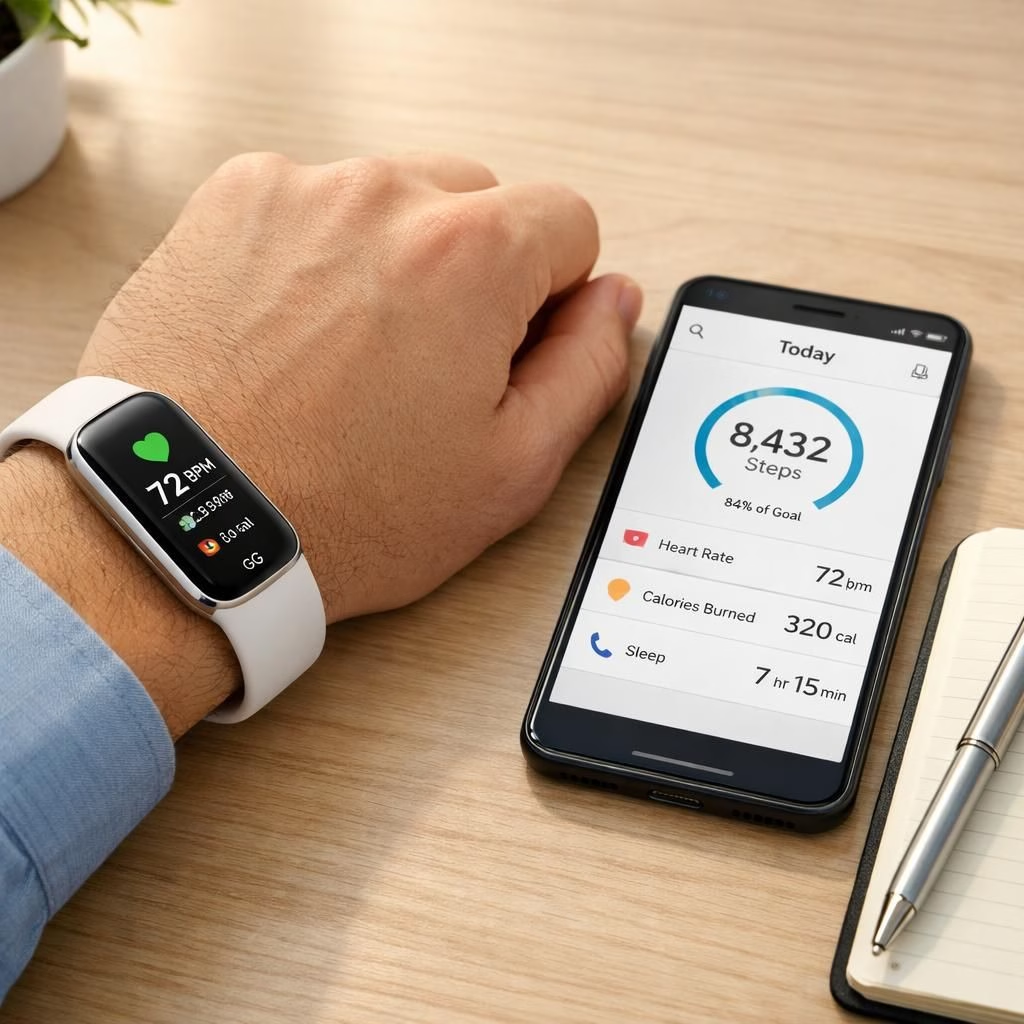
Welcome to a world where Fitness Tracker and Google Fitbit Air debate get a cheerful makeover. The story isn’t just hype: these six features blend data, design, and practicality for everyday life in 2026. As a writer who loves a good gadget, I translate buzz into bite-size truths that help you decide if this new device deserves a spot on your wrist.
Let me walk you through six features that feel rebellious in the best way: capable, useful, and a touch humorous about our serious obsession with metrics. They aim to improve health awareness without turning your life into a constant app notification spree. And yes, the vibe leans optimistic: this isn’t doom-scrolling, it’s a dawn-of-a-new-smartwear moment. For many, this Fitness Tracker path remains practical and human.
Google Fitbit Air: Six features for the Fitness Tracker world
- Battery life that actually lasts. The core promise here is longevity. A well-optimized display and adaptive sensors curb drain so you can go days without a charge, then top up quickly when you do. It’s the kind of sustainability that lets you forget you’re wearing tech—until you glance at the screen and smile at the data. For a device in the Fitness Tracker category, battery life matters more than a flashy feature.
- Deeper health metrics, without the snooze fest. Expect heart-rate variability, blood-oxygen estimation, sleep staging, and smarter on-wrist analytics. It’s not about perfect precision in every moment; it’s about meaningful trends that actually help you improve. The goal is clarity, not alarm. This is exactly the kind of value a thoughtful Fitness Tracker should deliver.
- Seamless cross-device compatibility and smart sync. Pairing with Google accounts, Android devices, and select third-party apps becomes frictionless. Your activity, sleep, and progress migrate smoothly across devices, so you don’t need to manage multiple silos or pull your hair out re-connecting gadgets every week. Cross-compatibility is a big win for the Fitness Tracker experience.
- On-device AI insights that feel like a coach with good jokes. Expect proactive nudges, contextual reminders, and personalized goals rooted in your routine. The AI aims to be helpful, not bossy, and it often personalizes tips with a wink that makes you chuckle while you adjust your plan. It’s the kind of friendly Fitness Tracker guidance people actually use.
- Fashion-forward customization without sacrificing function. A broad range of bands, finishes, and quick-release options let you tailor the look to whether you’re in gym mode or boardroom mode. The device stays slim, discreet, and adaptable—no need to choose between style and substance. This is a hallmark of modern Fitness Tracker design.
- Competitive pricing and a fair trade-in ecosystem. The strategy seems to pair value with a sensible upgrade path. You get robust features today, plus a clear route to newer tech later, so the wallet doesn’t scream at you every time you check your wrist. For cost-conscious buyers, a thoughtful Fitness Tracker can be a smart long-term pick.
In practice, these features combine to deliver a wearable that doesn’t ask for your life’s drama but rather helps you live it with better rhythm. You won’t find a magic bullet, but you will encounter steady improvements in awareness, motivation, and ease of use. The goal is not to overwhelm you with data but to empower you to act on what matters most: your health, your schedule, and your day-to-day energy levels. And that balance feels timely and encouraging as we move through 2026. With Google Fitbit Air, the experience aims to feel calmer than most Fitness Tracker setups.
Tag A insights: Google Fitbit Air and Fitness Tracker ecosystem
The real story here is how the device positions itself within a crowded ecosystem. The Fitness Tracker crowd has learned to demand privacy, transparency, and thoughtful design, not gimmicks. Google Fitbit Air appears intent on delivering those virtues with a practical, human-friendly approach. It’s not a flashy stunt; it’s a measured upgrade that respects your time, respects your data, and respects your goals. If you’ve ever tucked a premium wearable away after a few weeks because it felt more like a project than a companion, this device could change your mind with its calmer, more purposeful cadence. See how it aligns with the Fitness Tracker ethos.
From the user interface to the hardware choices, the emphasis is on reliability and accessibility. The onboarding flow guides new users without a crash course in wearable etiquette. The software shows you what’s relevant, when it matters, and how to act on it. That kind of clarity reduces decision fatigue. It helps you decide whether to lace up for a run, improve your sleep routine, or simply drink more water at meaningful moments during the day. The result is a healthier cadence for life, not a constant ping-pong of notifications.
Another practical advantage: ecosystem harmony. If you’re already invested in a Google-powered world, the Fitbit Air can slot into your existing routines without forcing you to switch allegiances. That kind of frictionless integration matters when you’re juggling workouts, meetings, and family life. The goal is a device that disappears into the background while still catching the important signals you need to stay on track.
For power users who crave deeper insight, the analytics behind this device offer a grounded approach. You’ll find trends that are easy to interpret and simple to translate into action. It’s not about turning every data point into a trophy; it’s about building sustainable habits and celebrating small wins along the way. The design language remains human-friendly, and that matters when you’re sprinting through a busy day with a smartwatch on your wrist.
When you look ahead, the question isn’t merely what the device can do today. It’s how it evolves with you over time. The 2026 landscape rewards wearables that can learn from your routines and adapt with you. If Google Fitbit Air continues to follow this trajectory, it could become a dependable partner for long-term wellness, rather than a fleeting gadget that collects dust on the shelf between workouts.
Note: The six features discussed are drawn from Mashable‘s analysis on Google Fitbit Air. For the original coverage, see the source linked below.
Frequently asked questions
- Is Google Fitbit Air compatible with iOS devices? Yes. It is designed to work across major platforms, though some features may be more seamless on Android.
- Does the device support on-device AI insights? Yes, it offers proactive nudges and personalized goals based on your routine.
- How long does the battery last in typical daily use? The goal is multi-day performance, with adaptive features to stretch the battery between charges.
- Can I customize the appearance? Yes. A variety of bands and finishes are available to suit different settings.
Conclusion: The Google Fitbit Air aims to be a thoughtful companion rather than a gadget that shouts for attention. It blends practical health tracking with accessible design, making it easier to act on what matters most—your health and schedule.
References
- Google Fitbit Air: Top features via Mashable