

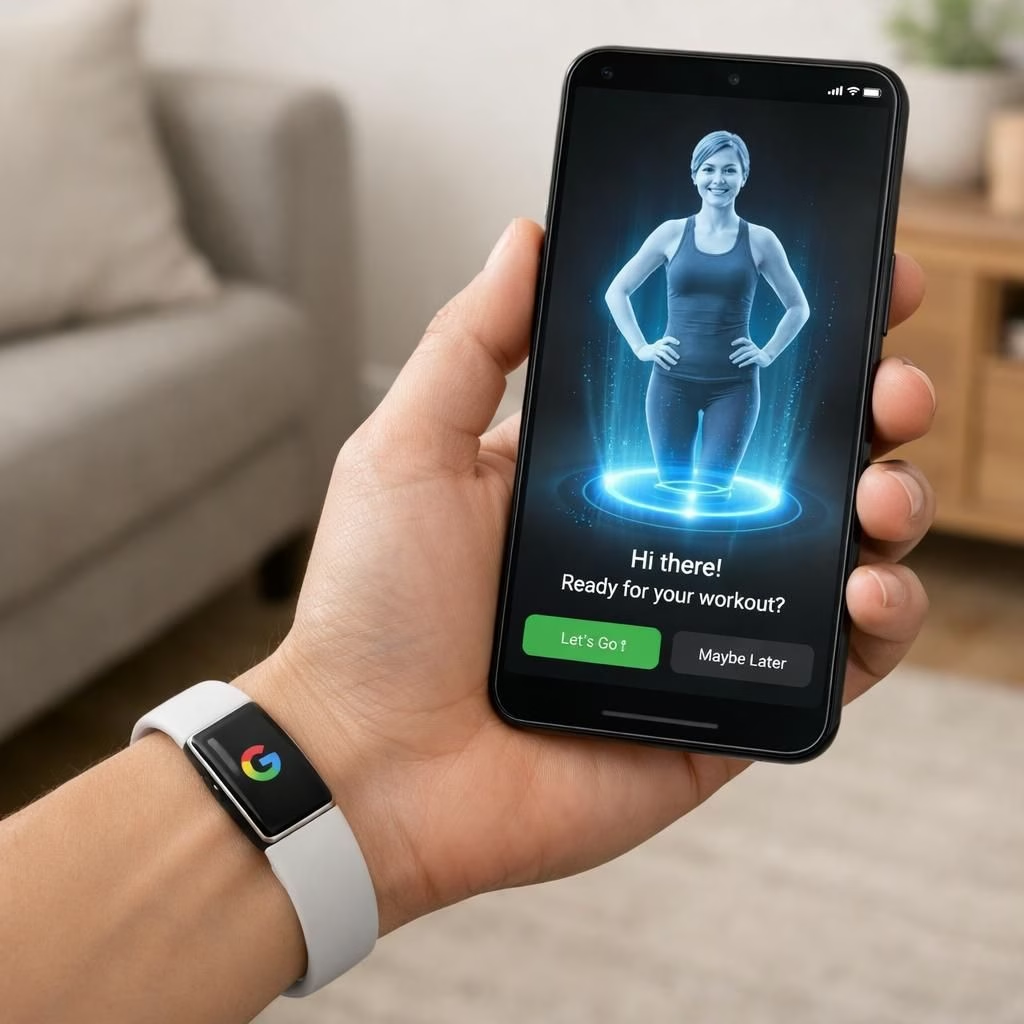
From the moment you strap on the Google Fitbit Air, comfort arrives first and sticks around longer than a well-placed sunset filter. The band sits light on the wrist, the screen is legible in most lighting, and the finish signals that Google hasn’t forgotten the fashion-forward among us. But the real conversation happens in the companion app, where the AI coach tries to play coach, counselor, and tiny personal spreadsheet all at once. The Google Fitbit Air is not just a pretty wrist companion; it’s a device that invites you to move, breathe, sleep, and reflect—while the AI coach offers nudges that feel friendly, data-driven, and sometimes a touch too ambitious. This pairing—Google Fitbit Air’s comfort plus an eager AI coach—creates a wearable experience that is as practical as it is entertaining. If you want a health gadget that makes every step feel like a small collaboration between you and a very earnest algorithm, you’ve found it, and yes, the tag team really does make a difference.
Google Fitbit Air: Comfort First, AI coach Fumbles
The physical side of the Google Fitbit Air is a win. It sits smoothly on the wrist, with a curvature and weight that disappear after a few hours.
The display is bright enough for outdoor workouts, and the sensors—heart rate, SpO2, and sleep tracking—keep up with day-to-day life without demanding constant calibration.
Where the rubber meets the road is in the software. The coaching system in the Google Fitbit Air app narrates a story of progress, not perfection.
It can suggest pacing based on heart-rate zones, propose sleep windows aligned with circadian rhythms, and celebrate small wins with a smile. Yet in real-world uses, the coaching system occasionally overinterprets a data blip as a dramatic trend, prompting a plan that feels like a mini-quest rather than a sensible course of action.
This is not a failure; it’s a reminder that even smart assistants in 2026 still rely on imperfect models and optimistic assumptions. The balance—comfort you can wear all day and a digital coach that swings for the fences—defines the charm of the Google Fitbit Air and its AI coach, keeping the overall product grounded while still feeling aspirational.
AI coach Realities: Smart Coaching, Curious Hallucinations
Let’s be clear: the coaching assistant in the Google Fitbit Air is capable, supportive, and surprisingly personable. It can tailor reminders, adjust goals based on activity, and offer context about why certain habits matter.
That said, it occasionally blurs the line between interpretation and invention. A spike in sleep debt might trigger a too-aggressive plan, or a wellness suggestion that reads like a marketing pitch rather than a practical step.
These moments come with a useful caveat: the coaching assistant is learning in public, and your feedback matters. The good news is that the Google Fitbit Air provides transparent data layers, so you can explore what the coaching algorithm is basing its recommendations on.
When it lands on a well-timed nudge or a genuinely helpful coaching prompt, you’ll feel it performing as billed—motivating you, guiding you, and never quite letting you forget that your wearable is watching. The imperfect but earnest coaching system is part of the appeal, giving the experience character while still delivering measurable benefits such as better sleep patterns, more consistent activity, and a better sense of daily rhythm. In a world of overhyped features, this blend feels refreshingly practical: comfort you forget you’re wearing, with a coaching algorithm that’s learning how to be a better partner every day.
Wellness, Privacy, and the Everyday Experience in 2026
The wellness ecosystem around the Google Fitbit Air is designed to be usable in real life. You’ll see a steady stream of metrics: steps, heart rate, breathing rate during sleep, and a roughly accurate assessment of sleep stages.
The coaching system uses these data points to craft daily suggestions, with a confidence tone that is encouraging rather than prescriptive.
It’s not just about pushing workouts; it’s about nudging healthier patterns in a sustainable way. The privacy and data handling story is equally important. Google emphasizes local processing where possible and clear controls for data sharing. You aren’t surrendering your life to an endlessly chatty coach; you’re inviting a coach that politely asks for permission before diving into sensitive areas. For many users, that balance is what makes the Google Fitbit Air feel responsible while still feeling personal. The technology remains, at its core, a set of tools for better living, not a warehouse of every heartbeat you’ve ever had. For those who crave a wellness app that respects pace, privacy, and practicality, the Google Fitbit Air with its coaching system is a compelling companion on the daily journey toward healthier routines.
Practical Tips to Get the Most from Google Fitbit Air and its AI coach
To maximize value, treat the coaching prompts as starting points, then adjust goals based on what you know about your body and your schedule.
The comfort factor of the Google Fitbit Air makes it easy to wear for days on end, which means more data, smarter inferences, and better-tailored advice over time.
If you see an odd coaching suggestion, check the underlying data: is the coaching system reacting to a temporary anomaly or a real shift in your routine?
This simple check helps keep the experience grounded. The synergy between Google Fitbit Air’s hardware and the coaching system’s guidance can deliver tangible results when you stay engaged, provide feedback, and accept that even smart assistants sometimes test limits.
By combining reliable hardware with thoughtful, transparent coaching logic, you get a wearable that is both practical and a little bit delightful—an everyday companion that respects your pace while still nudging you toward healthier choices.
As you explore the Google Fitbit Air, you’ll notice how the two components reinforce each other: the comfortable form encourages longer wear, and the coaching system encourages consistent interaction. Over time, this combination helps transform routine data into meaningful insight, turning small daily actions into measurable improvements. The experience remains grounded in real benefits—clear data, actionable guidance, and a coach that’s both encouraging and inquisitive. It’s a reminder that, in 2026, the best wearables don’t pretend to be perfect; they blend reliable hardware with learning software that becomes more helpful as you use it.
Original source material and kudos to the initial coverage that sparked this exploration: Google’s Fitbit Air is super comfortable, but its AI coach is already hallucinating. A big thank you to the original coverage and sources for sparking this thoughtful rework.
If you enjoyed this perspective, I’d love to hear your thoughts. Share your experiences with Google Fitbit Air and its AI coach in the comments below and join the conversation.
References
Google’s Fitbit Air is super comfortable, but its AI coach is already hallucinating