

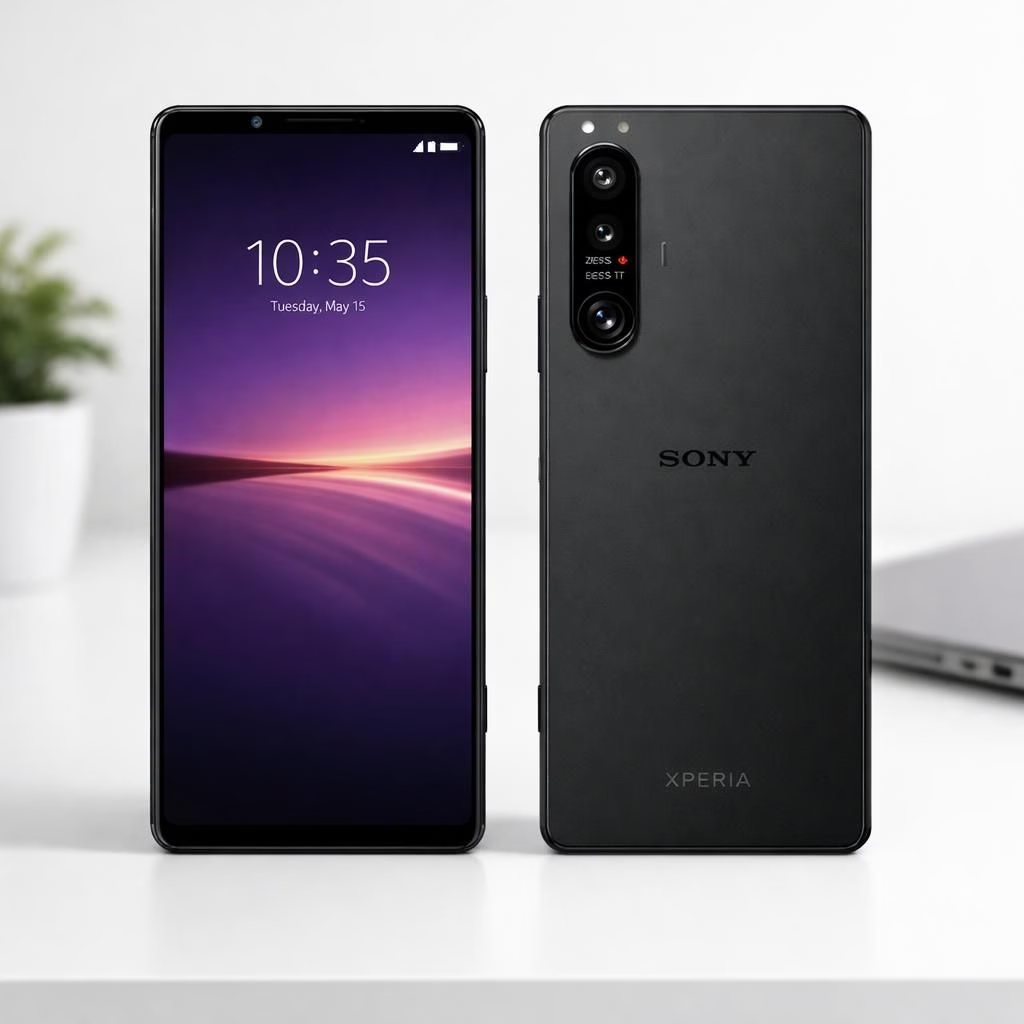
In the fast lane of 2026 tech, Sony’s XperiaVIII arrives with a confident push into AIphotography and a refreshed look. The pitch is friendly: bigger camera sensors, smarter processing, and an assistant that nudges you toward a better shot without turning moments into lab experiments. XperiaVIII isn’t just a cosmetic update; it’s a deliberate rethink of how we measure camera quality on a pocketable device.
XperiaVIII AIphotography upgrade: bigger camera sensors and a fresh look
The core change readers notice first is the sensor. Sony has reportedly enlarged what sits behind the glass, aiming to squeeze more dynamic range and cleaner performance in low light. In practical terms, you’ll see less grain in dusk selfies and more reliable detail in twilight landscapes. The improvement isn’t a science-fiction leap; it’s a thoughtful calibration that matters when you’re grabbing moments on the fly, not when you’re staging a studio shoot. The improved sensor is paired with smarter processing, but the message remains: the phone can help you out without turning every shot into a programming challenge.
Design-wise, Sony has opted for a cleaner silhouette and tighter bezels. XperiaVIII still wears its tall aspect ratio with pride, but it carries a slightly more restrained aura than some rivals. The new look is not merely cosmetic; it’s meant to reduce fatigue during long shoots and encourage a more deliberate approach to framing. It’s not a revolution in how a phone should feel, but a well-executed nudge toward usability and elegance, especially for those who spend more time behind the lens than scrolling through feeds. For creators who care about ergonomics, the device remains comfortable to hold and easy to operate with one hand, which matters more than the glossy brochures would have you believe.
In terms of photo quality, the XperiaVIII’s camera system is pitched as reliable and consistent. It’s not the fastest to lock focus in every scenario, but it holds up well across everyday scenes. The automated modes—scene detection, HDR, and noise control—are calibrated to perform well in common conditions, which means fewer fiddly adjustments when you’re chasing a sunset or a busy street. The point is not to pretend the phone can replace a dedicated camera, but to demonstrate that AIphotography assisted processing can responsibly elevate a casual shooter’s results without turning every image into a laboratory artifact. For many users, that balance is the most important win: good enough, with fewer barriers to getting there on first try.
AIphotography promises and caveats in 2026
The AIphotography angle is the most talked-about part of the XperiaVIII—because it promises to translate your intent into better pixels with less manual labor. Expect smarter scene analysis that recognizes landscapes, people, and low-light situations, then applies a tailored mix of exposure, color, and detail preservation. The practical outcome is less guesswork for the user and more consistent results when you’re in a hurry or are shooting on a crowded street. It’s the kind of feature that sounds fancy on paper but proves its worth when you’re trying to compose quickly after a kid’s recital or a spontaneous street performance.
Yet there are caveats worth noting. AIphotography is not a magic wand. It occasionally misreads scenes, especially in avant-garde compositions or unusual lighting, and your results can still hinge on core photography choices you make with composition, timing, and stabilization technique. The XperiaVIII’s AI tools work best when you keep expectations aligned with human input: you frame, the sensor collects, the AI polishes. The learning curve is not steep, but it’s real. In other words, you still need to know your own limits and your subject’s personality to coax the best from the AI.
Video capabilities are another area where the device tries to deliver value without overpromising. Expect smoother stabilization, natural color replication, and a friendly auto-exposure system that adjusts without gobbling up your highlight details. If you’re the kind of user who loves a cinematic touch, you’ll appreciate the balance: the XperiaVIII can give you a more polished look without demanding you become a colorist in another app. The result is a camera that’s more forgiving for non-professionals and more capable for enthusiasts who want to capture moments with intention rather than fussing over every setting.
In daylight tests and side-by-sides with the competition, there are clear wins for daylight photos, where the sensor and processing synergy shine. In low light, the improvements are noticeable but don’t erase the age-old limits of phone photography. The real story is the soft, steady improvement across the board. If you value steadier frames, richer color, and a more confident auto mode, the XperiaVIII is a credible step forward that respects the constraints of a phone camera while delivering tangible gains for everyday use.
Release details, colors, and practical considerations
Release timing hints place the XperiaVIII in the current cycle, with color options that nod to current tastes—think practical tones rather than flashy gimmicks. The price is pitched to be competitive, with pre-orders and color options that appeal to different kinds of buyers. The aim appears to be broad appeal: a device that beginners can rely on, and enthusiasts can grow with, without needing a degree in post-processing. Battery life remains a practical concern, and while the new hardware improvements do add efficiency, the overall endurance will still vary with usage patterns—video-heavy days will feel longer with adaptive power management, and lighter routines will stretch even further.
There’s also interest in how the XperiaVIII stacks up against competitors in real-world use. Early samples and camera comparisons show the device delivering solid performance when matched against premium rivals in standard lighting and moderate dynamic range scenarios. Where it shines is in its balance: a phone that doesn’t overpromise in dynamic range or color science but quietly does a very solid job, frame after frame. For buyers who want a dependable everyday camera with the comfort of good software support, the XperiaVIII offers a compelling package that’s easy to live with and a joy to pick up when inspiration strikes.
Color science, processing speed, and the user interface all contribute to a story about long-term value. The device is not about a single, flashy feature; it’s about a cohesive experience that respects the habits of modern mobile photographers. If you want a phone that helps you produce better photos with less friction, this XperiaVIII is worth a closer look. You can expect a familiar, approachable camera app with improvements tucked under the hood, plus the broader ecosystem improvements that come with Sony’s software strategy for 2026.
For readers who enjoy digging into the specifics, there are model variants and regional differences to consider, so check local availability and price details as the device lands. The brand’s emphasis on camera quality and AI-assisted improvements makes it clear: Sony is betting that a combination of bigger sensors, thoughtful design, and practical AI tools can appeal to a broad audience, from casual snappers to hobbyists looking to upgrade their mobile toolkit.
Finally, a note on how to get the most from XperiaVIII in daily life: shoot a lot in RAW where possible, use the standard auto mode as your baseline, and reserve the more advanced modes for when you want a creative touch. Keep your expectations grounded in what the sensors can deliver, then let the AI do the heavy lifting where appropriate. The result is a device that helps you tell better visual stories without demanding too much time learning new tricks.
We’d love to hear your experiences with the XperiaVIII and your take on AIphotography in real-world use. Share your thoughts in the comments to help others decide if this upgrade fits their photography style. Your insights and questions are what makes this hobby richer for all of us.
Original material inspiration and detailed reporting come from Engadget and other outlets that covered the Xperia VIII’s camera sensors, design changes, and AI features. A big thank you to the original sources for laying the groundwork and sparking this discussion. Original article link: Engadget — Sony’s Xperia 1 VIII Has Bigger Camera Sensors And A New Look.
External references
Internal links
- AI job risks — broader AI shifts in tech coverage.
- iOS Siri upgrade — ecosystem context for AI features.
- Nothing Phone 4a Pro — battery and charging discussions in mobile hardware.
References
- Engadget — https://www.engadget.com/2171753/sony-xperia-1-viii-bigger-camera-sensor-redesign/