

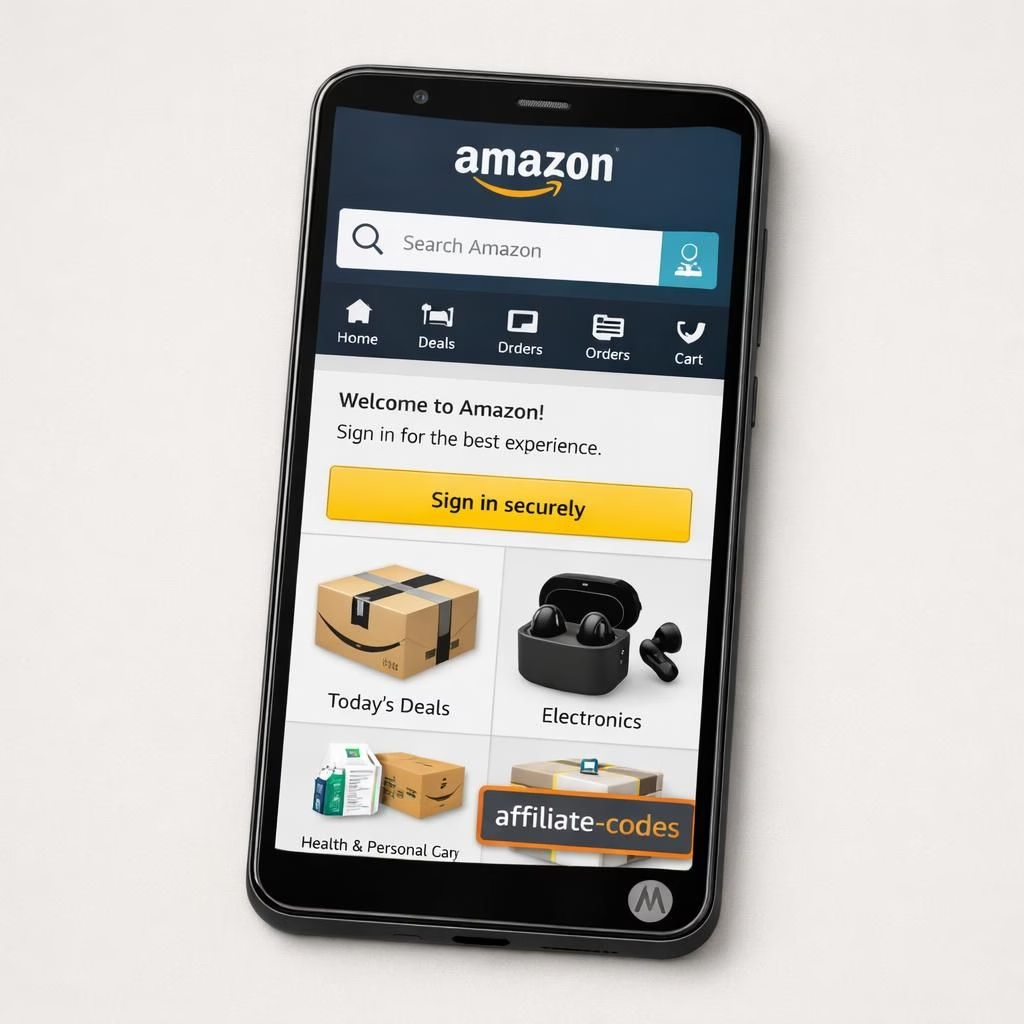
In 2026, affiliate-codes have suddenly become a talking point in mobile security, with Motorola devices at the center of a curious tale. Some reports suggest certain Motorola phones subtly nudged the Amazon app to insert affiliate-codes during regular use. This isn’t a sci-fi plot; it’s a reminder that monetization ideas can creep into everyday tasks. We’ll unpack what happened, why it matters, and how you can protect yourself while enjoying a quick shopping check on your phone.
Motorola: deciphering the 2026 incident
At a high level, the episode reflects how software decisions and monetization pressures can collide with user trust. In some builds, code paths may intercept API calls or alter overlays to insert tracking parameters for networks tied to affiliate programs. The effect is subtle: a purchase might be attributed differently or a receipt could show unfamiliar partner links. The risk isn’t catastrophic, but it chips away at trust and can complicate refunds or audits. Motorola, in this case, faces questions about how features ship and how clearly users are informed about what happens behind the scenes.
affiliate-codes in the wild: what to watch for
Here’s what users can do now to stay safe. In particular, look for unexpected changes tied to affiliate-codes in receipts or in the partner links you see during checkout.
- Review app permissions, especially overlays and accessibility services you did not enable.
- Keep devices updated to the latest OS version and install apps only from trusted sources like the official store.
- Enable Google Play Protect and use a reputable security app that can flag unusual network activity.
If you notice extra fees or unusual ad links after using the Amazon app, document them and contact support. This isn’t a trend you want to fuel, but awareness helps. The world of mobile shopping keeps evolving, and a cautious approach pays off. As a rule of thumb, watch for the affiliate-codes tag showing up in receipts or partner links and treat it as a red flag to investigate.
What this means for Motorola users
For everyday users, the takeaway is simple: guard your device settings, stay mindful of unusual receipts, and limit overlay permissions to trusted apps. If you rely on Motorola devices, consider enabling stricter controls around app permissions and reviewing installed apps periodically. The goal is transparency and quick detection of anything that looks off.
Practical tips for users: keep an eye on the status bar for unexpected notifications; review installed apps regularly; consider a factory reset if something feels off and ensure your operating system is up to date. For developers and device makers, the lesson is simple: publish with transparency, avoid overlay tricks, and separate monetization from user-initiated actions. The best security is a combination of good design, user education, and a moment of skepticism when something in a familiar app feels off.
Have you noticed any odd app behavior on your Motorola device or elsewhere? Share your thoughts in the comments below so we can crowdsource practical tips.
For context, this is part of the broader affiliate-codes conversation, which highlights how trust and transparency matter in mobile software.
Thanks to 9to5Google for the original reporting on Motorola and the Amazon app hijack.