

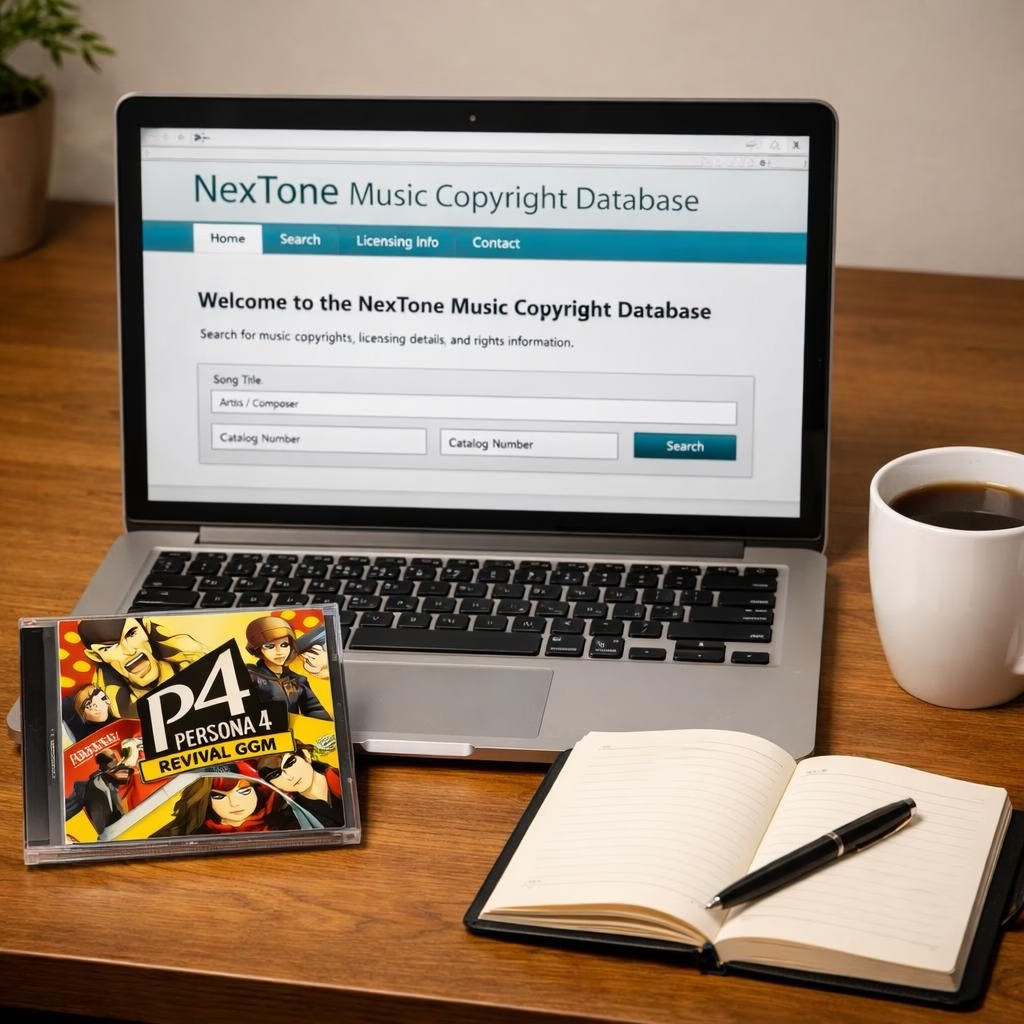
If you’ve tracked game news in 2026, you’ve likely seen that Persona 4 Revival BGM is listed in the NexTone Music Copyright Database. This small registry entry signals a legal home for the music behind a beloved game and a clearer path for studios, streamers, and fans to enjoy the vibe responsibly.
Persona 4 Revival BGM: Licensing Reality Check
Licensing is not a spoiler; it is the framework that protects creators and audiences alike. When a track like Persona 4 Revival BGM appears in the NexTone registry, rights holders officially define who gets paid when the track is used, where it can be played, and under what terms. This clarity helps artists secure fair compensation and publishers plan revenue with less guesswork. For fans who post clips or create remixes, the registry clarifies what’s permitted while keeping creativity alive.
For developers and distributors, a confirmed listing in the registry acts like a cross-border handshake. It communicates that a track is not up for grabs without permission, which helps in localizing releases, streaming catalog management, and even retro re-releases. The world of game soundtracks is global, and rights management tools like this database help studios navigate royalties, licensing fees, and attribution with fewer surprises. And for players, this transparency tends to increase trust: if you see a track registered there, you know to credit the creators and stay within the law while enjoying the nostalgia trip that a revival soundtrack brings.
NexTone Music Copyright Database: What It Signals
Now that the NexTone database is in the mix, the practical signal is: rights management is real, track-level data matters, and it can streamline who pays whom when the music is used in videos, streams, or fan projects. The database functions as a centralized ledger. It helps streaming services verify licensing terms and helps content creators determine what kind of permission they need to avoid surprise copyright claims. It also demystifies a process that can feel opaque to fans who want to enjoy the tunes responsibly while still supporting the people behind them. The net effect is a smoother path from listening to licensed usage, with fewer detours caused by ambiguous ownership or unclear permissions. In other words, the registry is not a bureaucratic snooze; it is a practical tool that protects creators and clarifies use rights for everyone in the ecosystem.
From a practical standpoint, you can expect more consistent attribution, clearer monetization routes, and better compatibility across platforms when a track is properly registered. The database helps publishers coordinate with distributors and helps platforms automate copyright checks with fewer false positives. That’s not just a win for the industry; it’s a win for fans who want to support the right people without stepping on a rights minefield. And yes, this also means more reliable information for curators and playlist owners who want to ensure that they’re featuring properly licensed material rather than inadvertently courting a rights nightmare.
Persona 4 Revival BGM: Fan Experience and Access
For fans, the presence of Persona 4 Revival BGM in the database translates into clearer expectations around licensing for fan covers, streams, and commentary. It doesn’t erase the thrill of discovery; it makes that thrill more sustainable. Fans can point to a NexTone entry to understand what is permissible and what isn’t, which reduces the anxiety around posting a fan remix or a clip from a livestream. In practice, this means more creative activity with fewer takedown scares, provided creators respect the stated terms and give proper credit where it’s due. This is the delicate balance that modern fan culture seeks: freedom to create with predictable guardrails so everyone stays happy and legal.
From a reader’s perspective, you’re less likely to encounter confusing disputes over who owns a snippet of melody on a video or a streaming mix. The registry’s clarity helps platforms and creators coordinate on licensing costs and revenue sharing. The upshot is better audience trust and a healthier ecosystem for long-tail engagement with beloved franchises like Persona—without sacrificing the thrill of hearing a familiar tune in new contexts. The music remains the heart, but now the heart has a documented bloodstream of rights and payments that keep it beating.
If you’re curious about how this plays out in day-to-day content, consider how a cover or a game clip would be treated across platforms. The entry acts as a reference point, guiding creators on attribution, permissible usage, and royalties. This is not about stifling creativity; it’s about enabling it within a framework that respects the hard work of composers, producers, and publishers. And yes, it helps preserve the cultural value of a title as it continues to resonate with both old fans and new players who discover the game years after its release.
To those who want to stay informed and participate respectfully in this ecosystem: keep an eye on database updates, credit properly, and pursue licensed avenues whenever possible. The world of game music thrives when rights are transparent and respected, and the presence of NexTone database in conversations about the Persona 4 Revival BGM is a good sign that the industry is moving toward that ideal.
Original article and gratitude: a special thank you to Persona Central for highlighting the registration in the NexTone database and for the thoughtful reporting that inspired this piece.
Have thoughts, questions, or experiences with licensed game music in 2026? Please share your thoughts in the comments below so we can learn together and keep supporting creators and fans alike.
FAQ
- What does a NexTone listing mean for a track like Persona 4 Revival BGM?
- It clarifies who can use the track, under what terms, and how royalties flow, helping both creators and fans stay within the law while sharing content responsibly.
- Do fan covers or livestream clips require licensing?
- Licensing needs vary by platform and usage; the registry helps determine the permissions and attribution you should follow.
- How can creators stay compliant online?
- Follow stated permissions, credit properly, and pursue licensed avenues when in doubt.
- Why does rights transparency matter for long-term engagement?
- It reduces takedowns, improves attribution, and supports fair compensation for the people who created the music.