

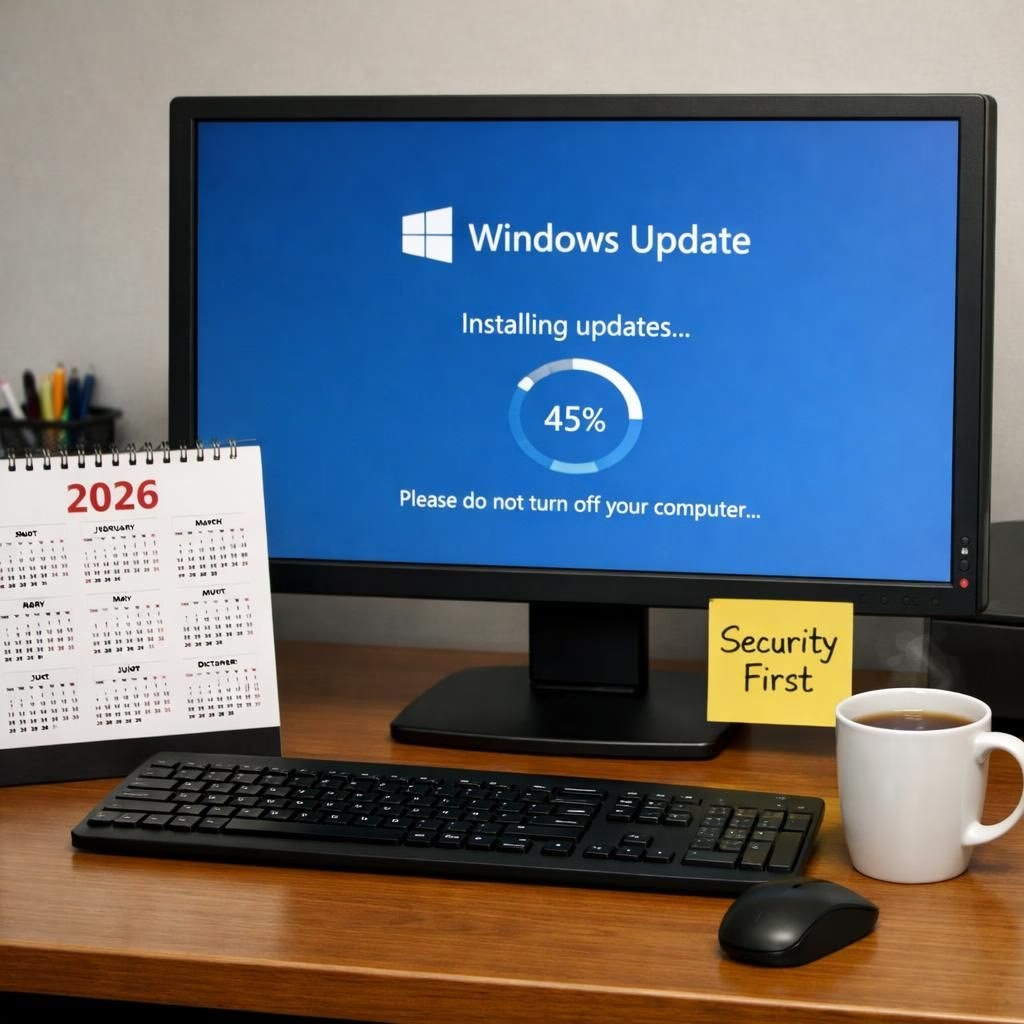
Here’s a cheerful look at a long-running tech ritual: Windows Update is being retooled in 2026, and the changes feel more like a thoughtful spa day for your PC than a jarring reboot. Your device will still ask to restart, and your inbox won’t drown in cryptic error codes. The focus this year is a smarter update cadence, clearer details about what changes arrive, and a gentle respect for your work life. And yes, Security Boot stays the quiet guardian at the door, tightening checks without turning boot ups into a maze. If you’re hoping for a calmer, more predictable maintenance routine, you’re in the right place. Let’s unpack what this means for daily use, with practical steps and a human touch.
Security Boot remains the quiet guardian at the door for many users, while Windows Update plays the dependable sidekick to keep machines ready. The goal is a smoother flow: more control over when updates land, clearer details about what’s arriving, and fewer moments staring at a spinning wheel mid-task. You can still tweak settings, schedule restarts, and track progress with a dashboard that looks less like a secret code and more like a calendar on a good day.
Windows Update is the star of the show here, while Security Boot plays the dependable sidekick, ensuring you wake up to a ready machine rather than a runaway update saga. In practical terms, the plan gives you more control over when updates land, clearer notes about what changes are arriving, and fewer moments when you stare at a spinning wheel mid-task. And yes, you can tweak settings, schedule restarts, and track progress with a dashboard that looks less like a secret code and more like a calendar on a good day.
Windows Update: What’s Changing in 2026
Microsoft is moving toward smaller, more predictable update blocks. That means fewer mega-releases that suddenly crowd your screen and force you to choose between finishing a report and surviving a reboot ritual. The rollout will be staged, so not all devices get the same patch at once, which reduces the risk of broad compatibility hiccups. If you manage a fleet of machines, this staggered approach is a blessing, a little less chaos, and a gentle nudge toward better maintenance window compliance.
For individual users, you’ll see snappier previews, clearer notes about what’s changing, and access to a pause mechanism that doesn’t feel like a treasure hunt. In short, Windows Update becomes friendlier to those of us who juggle deadlines, meetings, and a long to-do list. It’s still automatic under the hood, but you get a better sense of what’s happening and when, which reduces the anxiety that comes with a reboot at 3 p.m. on a Tuesday. Windows Update also aims to improve health checks and provide safer rollback options when things don’t land perfectly, helping you stay productive in the face of inevitable maintenance moments.
Beyond the technical tweaks, the user experience is the target. You’ll see clearer descriptions of the patches, more accurate estimates of reboot windows, and a design that emphasizes control without requiring a PhD in telemetry. If you’re a solo user, this means fewer nag prompts and more predictability about when your device will be back to speed. For IT teams, this translates into more reliable rollout schedules, better telemetry signals to guide next steps, and a smaller chance of mass disruption that disrupts your work day. In essence, Windows Update is evolving into a more transparent, humane process that respects your time rather than treating it as a background variable. The result should be less stress and more up-time for most of us who rely on our computers to earn a living or keep life running smoothly.
Practical tips for a smoother experience include scheduling updates during lighter workloads, keeping regular backups, and testing critical apps after patches. For power users, consider maintaining a dedicated maintenance window and using the update notes as a quick cheat sheet for what to expect. Always verify that your hardware remains compatible with the latest security features, and don’t skip the basic hygiene—backups, updates, and a quick security check before a major task. If you’re tackling a big project, plan a short downtime to review the update notes and confirm that essential tools still work as expected. And yes, you can still tweak active hours and restart timings to fit your real-life calendar. Windows Update will still do its job in the background, but with more foresight, while Security Boot stands guard to keep your boot sequence clean and trustworthy.
Security Boot: Keeping the System Safe in 2026
Security Boot remains the gatekeeper, but it’s a friendlier gatekeeper now. The primary aim is to ensure that only trusted software gets to run when you start your computer. The dashboard of this process has improved visibility, offering clearer status checks and easier verification that your device boots with the latest validated keys. For many, that means fewer boot-time surprises and more confidence that their workstation isn’t quietly sighing under a storm of malware attempts.
This year, Microsoft and partners tightened the end-to-end chain from firmware to OS, while keeping Security Boot certificates up to date. You might have heard whispers that certificates expire in June; timely updates are your best defense here, so a quick verification that your PC shows a green shield is worth a few minutes of your morning. The upshot is resilience: even if an update slips through a snag, Security Boot helps prevent a bad start, which is exactly the kind of dependable behavior we want during a busy workday.
From a security perspective, the changes emphasize proactive checks, clearer advisories, and a more resilient chain of trust. If you’ve ever worried about a firmware vulnerability sneaking in via a driver update, this year’s approach is designed to catch that risk early and stamp it out before it becomes a headline. In practical terms, you should plan a quick monthly glance at the security status area in Windows Security, confirm that Security Boot is enabled, and ensure your device firmware and OS signers are both current. It’s not about paranoia; it’s about reducing surprises and giving you confidence that your boot sequence is clean from the start. Security Boot is not merely a checkbox; it’s a deliberate, ongoing shield for daily computing life.
Practical tips for a smoother experience include scheduling updates during lighter workloads, keeping regular backups, and testing critical apps after patches. For power users, consider maintaining a dedicated maintenance window and using the update notes as a quick cheat sheet for what to expect. Always verify that Security Boot is enabled, and ensure your firmware and OS signers are current. If you’re tackling a big project, plan a short downtime to review the notes and confirm that essential tools still work as expected. You can still adjust active hours and restart timings to fit your calendar, while Security Boot remains the steady shield guarding your boot sequence.
Practical steps at a glance
- Schedule updates during lighter workloads whenever possible.
- Keep regular backups and verify critical apps after patches.
- Check that Security Boot is enabled in Windows Security.
- Maintain a dedicated maintenance window for important devices or fleets.
- Review update notes to understand impact before critical tasks.
Frequently Asked Questions
- What is Windows Update in 2026?
A streamlined, staged update approach that delivers smaller blocks with clearer notes, easier rollback, and better timing options. - How can I control restarts?
Use the new pause options, Active Hours, and a visible progress dashboard to plan around your work blocks. - What is Security Boot?
A protective feature that verifies only trusted software runs during boot, with an improved, transparent dashboard and up-to-date certificates. - How do I verify the health of my device after updates?
Check the update notes, confirm reboot windows, and test essential apps. If something doesn’t run, try a safe rollback and reapply the update later.
Conclusion: A calmer, more reliable update routine
In 2026, Windows Update and Security Boot are designed to be steadier parts of your daily workflow. The goal isn’t hype or disruption but practical improvement: fewer surprise restarts, clearer signals about what changed, and a boot process you can trust. If you want to test-drive the changes, try a routine update cycle on a spare device first and bring what you learn to your main setup.
Original material and gratitude: Starting In April—Microsoft Changes Windows Update After 15 Years. Thank you to Forbes for the original coverage.