

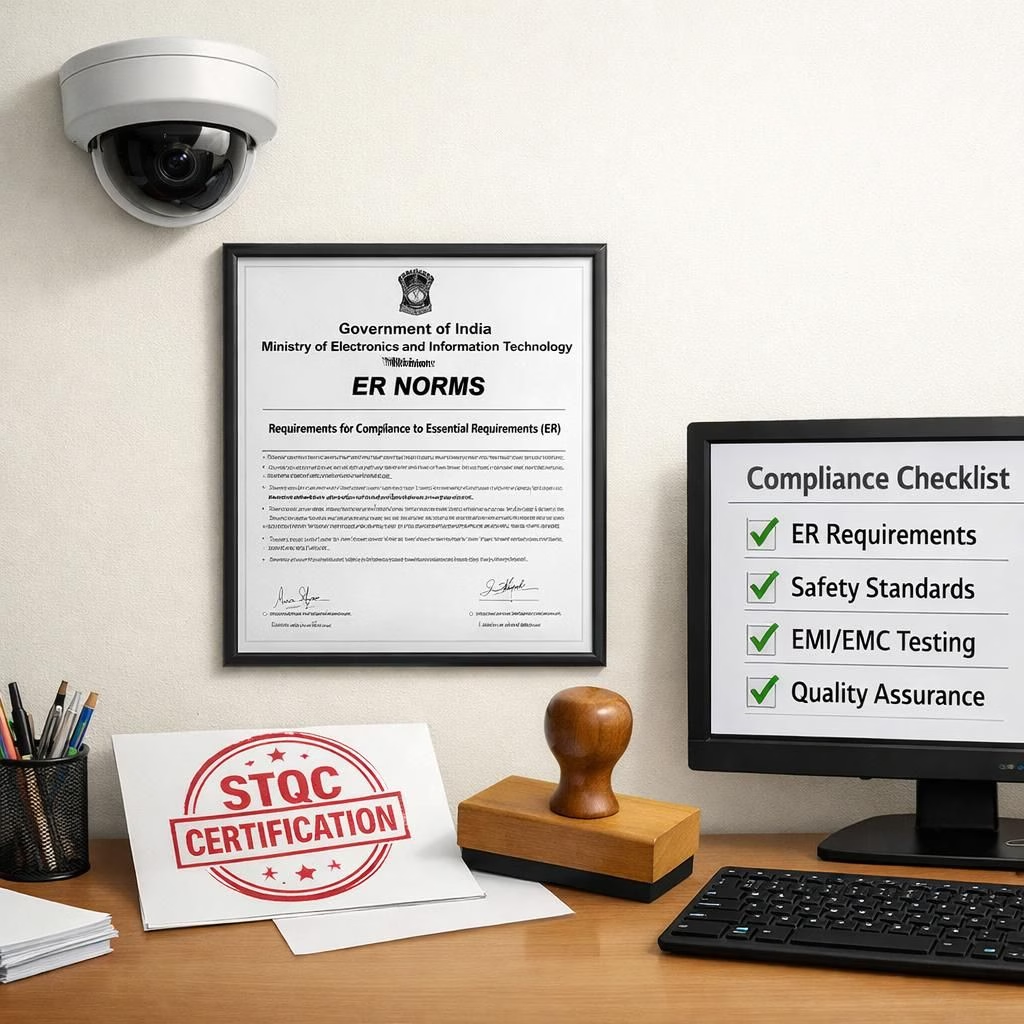
SecurityTips and CCTVPolicy intersect as India advances its CCTV security agenda. In 2026, MeitY’s Essential Requirements norms begin to take effect, turning policy talk into action. The core aim is straightforward: STQC certification becomes mandatory for CCTV hardware, origin disclosures must be clear, and devices must undergo vulnerability testing. This shift is not punitive; it’s a pragmatic upgrade designed to reduce risk while keeping doors open for innovation. For practitioners and observers, this moment shows how policy can guide technology without stifling it. The CCTVPolicy framework clarifies responsibilities for manufacturers, distributors, and buyers, underscoring that secure products deliver better value for everyone involved.
SecurityTips: The ER Norms Demand
From a practical vantage point, the ER norms require transparency. Manufacturers must disclose the country of origin for critical components such as the System-on-Chip. Devices must be tested for vulnerabilities to deter unauthorized remote access. This is the kind of SecurityTips approach that helps buyers separate signal from noise. By emphasizing origin disclosure, the CCTVPolicy framework discourages obfuscated supply chains and encourages accountability. The two-year transition window gives players time to align production lines, documentation, and testing schedules. In short, this is a policy nudge toward reliability rather than a blunt ban. When we speak of SecurityTips in confidence, we imply that knowledge about components strengthens a buyer’s decision-making process, and this is exactly what the ER norms aim to accomplish.
Industry insiders note that more than 500 models have already earned STQC clearance under the new regime, a testament to a market learning curve that favors compliance and resilience. The rules cover not just the hardware, but the software ecosystems too, with firmware localization and update integrity in the spotlight. The emphasis on vulnerability testing is not about chasing fear but about reducing real-world risk. This is a practical application of SecurityTips: better preparedness reduces surprises, and surprise-free devices tend to deliver more dependable performance in the long run.
CCTVPolicy and Domestic Players Rising: A 2026 Snapshot
The policy push has sparked notable market recalibration. Chinese brands—once dominant players in the Indian CCTV space—face a more selective path to the shelf as certification demands, origin disclosures, and vulnerability checks become the norm. The market shift is not a punitive blackout; it’s a reallocation toward trusted sources and domestically produced components. This is the kind of CCTVPolicy-led transition that benefits end users, integrators, and installers who value predictability and post-sale support. Domestic Indian brands, such as CP Plus, Qubo, Prama, Matrix, and Sparsh, have expanded aggressively, redefining who can win in mass-market segments. They have adjusted their supply chains to favor non-Chinese components, embraced Taiwanese chipsets, and localized firmware. The outcome has been meaningful: control has moved toward local players, and shoppers now enjoy a broader ecosystem with clearer expectations, which aligns with CCTVPolicy for safer procurement.
Counterpoint Research notes that Indian players now hold over 80 percent of the market share as of February, while a strong premium segment continues to be led by global brands like Bosch and Honeywell. This distribution illustrates a quiet, strategic shift in the CCTV landscape: a combination of increased compliance, smarter sourcing, and a renewed confidence among buyers who previously hesitated at the risk of non-compliance. The trend also highlights a broader MeitY drive to secure the digital edge of India’s critical infrastructure, including smart cities, campuses, and business parks. In this context, the CCTVPolicy framework is less about shuttering foreign competition and more about channeling it through clearer, verifiable standards. The SecurityTips mindset here is simple: better standards, brighter outcomes for users, and a higher bar for market entrants who want to participate in India’s evolving security tech scene.
The government’s two-year grace period has helped vendors align with STQC processes, adapt to origin-reveal requirements, and implement vulnerability testing in a timely fashion. For buyers, this means longer product lifecycles, better after-sales support, and clearer documentation about what is inside the camera and how it communicates with the cloud or edge devices. For integrators implementing large-scale deployments, the transition is a chance to standardize procurement practices, improve risk management, and leverage domestic supply chains that can respond quickly to new regulatory expectations. In the end, this is not a punitive move; it is a calibration—one that rewards those who invest in SecurityTips and comply with CCTVPolicy rules already in place.
To summarize the practical takeaways: (1) new STQC certification becomes a gate for sales; (2) origin disclosure illuminates supply chains; (3) vulnerability testing protects against remote access exploits; (4) domestic brands have surged, expanding market choice; (5) premium players retain strength in high-end segments due to established reliability and performance. The 2026 landscape, powered by the CCTVPolicy, looks markedly more robust, and the emphasis on local capabilities aligns with broader national security goals while still inviting international collaboration and innovation. This balanced approach is the kind of SecurityTips approach that makes regulatory changes feel constructive rather than punitive.
As the ER norms mature, stakeholders will continue to refine compliance workflows, testing protocols, and certification timelines. Vendors will optimize their firmware update mechanisms, ensure clear component traceability, and build stronger partner ecosystems. Buyers will benefit from more transparent product information and a more predictable market trajectory. The SecurityTips lens shows that practical policy can deliver safer devices, clearer expectations, and a healthier competitive environment under the CCTVPolicy umbrella.
What does this mean for consumers and businesses today? Expect more confidence in the cameras you install in offices, schools, and homes. Expect better support channels and clearer regulatory guidance when you evaluate a new model. Expect a small but meaningful boost in device security, which translates into fewer headaches for IT admins and peace of mind for end users. And as always, stay curious, stay informed, and keep applying SecurityTips to your purchasing decisions as the CCTVPolicy landscape evolves in 2026 and beyond.
Original reporting by Divya Bhati, The Economic Times: The Economic Times article on CCTV policy changes.
Thank you to The Economic Times for the original reporting that informed this analysis.
Inviting readers to share their thoughts: please drop a comment below and tell us how you anticipate the CCTVPolicy changes will affect your next security deployment. Your insights help everyone and fuel further SecurityTips discussions.
SecurityTips in Practice: Steps for Buyers and Installers
- Audit your current CCTV inventory for STQC status and update readiness.
- Verify firmware versions and ensure update integrity and traceability.
- Prefer devices with clear origin disclosures and strong local support ecosystems.
- Align procurement with MeitY timelines to avoid last-minute disruptions.
FAQ
-
What is STQC certification and why does it matter?
STQC certification verifies that CCTV products meet standardized quality and security requirements. It helps ensure reliable hardware and software behavior before products reach the market.
-
Why is origin disclosure important?
Origin disclosure reveals where key components come from, enabling better risk assessment and supply-chain transparency for buyers and integrators.
-
How will this affect imports and pricing?
There may be short-term price adjustments as suppliers align with the new norms, but long-term benefits include improved post-sale support and more predictable procurement for organizations.
-
What should buyers look for in a compliant model?
Look for clear country-of-origin disclosures, verified vulnerability testing results, firmware update integrity, and robust local support options.