

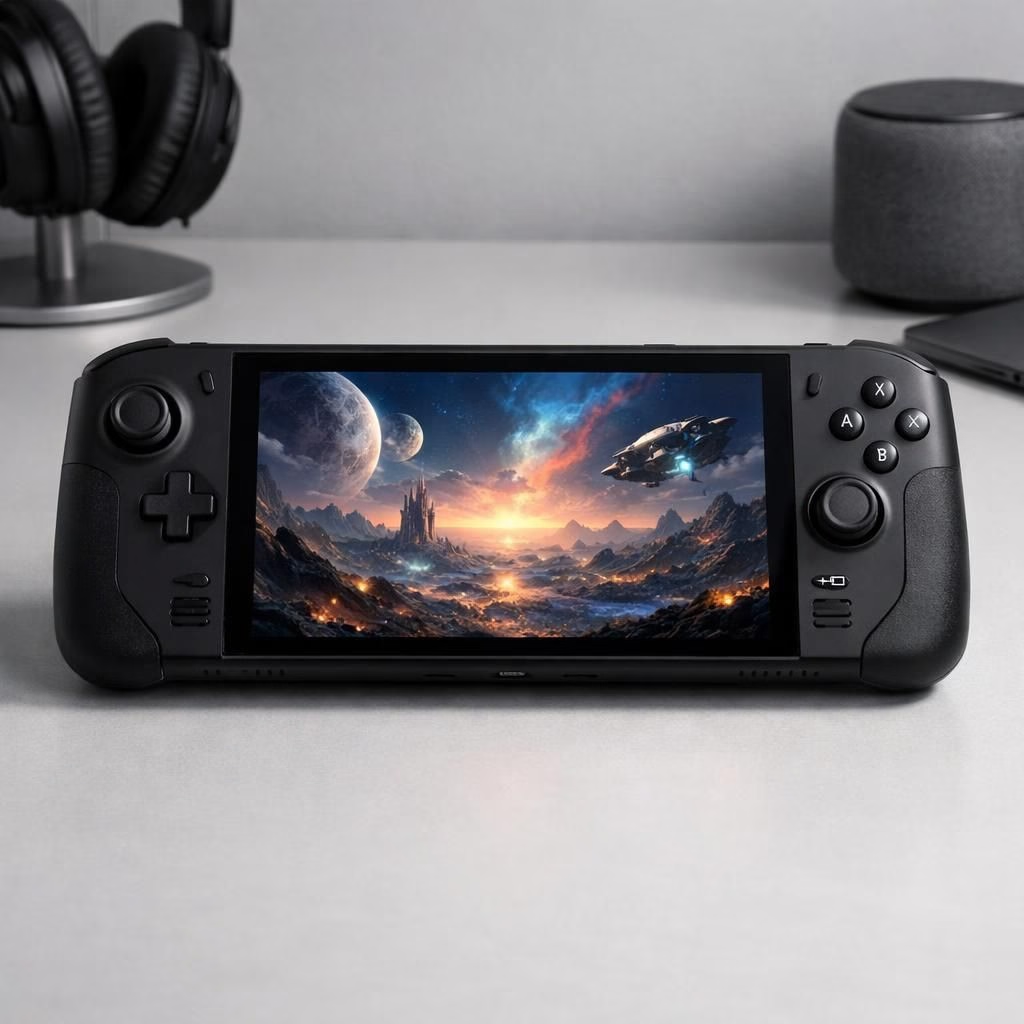
When ASUS drops a new handheld, we lean in with a grin and a better battery saver. The latest ROG Ally X20 dives into 2026 with a 7.4-inch OLED screen that practically begs you to test color accuracy during coffee breaks. Yes, the ROG Ally is back, and this time the OLED glow is not a mood ring but a real feature that makes indie titles pop and AAA games feel a touch more cinematic. With the ROG Ally and the OLED panel, ASUS nudges the bar for pocketable play, balancing performance and practicality in a single, pocket-friendly device.
ROG Ally: A closer look at the X20’s design and power
The X20 keeps the familiar ergonomic grip and adds a larger 7.4-inch OLED panel. The OLED screen brings deeper blacks and punchier colors than many rivals, which means your game menus become part of the spectacle. The device runs on a Ryzen Z2 Extreme architecture and uses an efficient cooling system to keep framerates snappy during long sessions. The ROG Ally X20 is not just a bigger screen; it’s an attempt to make handheld gaming feel more like a proper console. The goal here is to deliver a handheld that can survive a day of travel, a few meetings, and a few urgent boss fights without begging for a power bank every hour.
OLED display: how color, brightness, and durability matter
OLED isn’t just a buzzword; on the ROG Ally X20 it translates to crisp text, vibrant skies, and more legible shadows, which helps both exploration and combat. In practice, the OLED panel reduces light bleed and offers high contrast for retro titles too. The X20’s engineering team balances the OLED brightness with battery life, so you can enjoy long sessions without feeling tethered to a charger. This is where OLED shines: it makes UI icons easier to navigate and games more immersive, without turning the device into a heat box. For ROG Ally fans, the OLED glow adds a layer of depth that rivals will envy.
Across the board, performance remains solid for a handheld in this class. The Ryzen Z2 Extreme handles modern titles at comfortable frame rates at 1080p, with room for streaming and cloud gaming when you need to go lighter on GPU intensity. Battery life depends on brightness and frame rate caps, but the X20’s efficiency helps it lean toward a day of casual gaming rather than a sprint to the plug. For retro emulation, the OLED panel and refined controls make classics feel surprisingly fresh, and the ROG Ally line benefits from a reasonably quiet cooling stack that doesn’t shout mid-game.
Two design notes stand out: a refined grip that reduces fatigue and a robust cooling system that keeps the chip from cooking the frame. The community chatter hints at accessory ecosystems like docks and controller attachments that could turn this handheld into a compact living-room console. The ROG Ally software layer continues to mature, focusing on a friendly user experience and robust game portability, all while maintaining power that serious players appreciate. The ROG Ally name carries weight, and this X20 version leans into reliability without sacrificing bite when you push the clock.
All told, the ROG Ally X20 feels like a thoughtful step forward for those who actually carry a device in their jacket pocket and want to play something more than a quick puzzle. The OLED panel helps with color accuracy during bright travel days and in dim red-eye hotel rooms, while the ROG Ally architecture stays snappy enough to rival many big handhelds. In 2026, this pairing of ROG Ally hardware and OLED technology demonstrates that a handheld can be both practical and a little theatrical—without needing a stadium-sized power supply.
If you are curious about future updates, expect more refinements in driver support, more games to run natively, and more accessory options that make the ROG Ally X20 feel like a modular mini-console. The balance between image quality (OLED) and battery autonomy is a chess match that ASUS seems happy to play, advancing both the user experience and the hardware roadmap in small, deliberate steps. For those who enjoy a polished, opinionated take on new tech, this handheld warrants a closer look.
Original article and thanks: ASUS unveils ROG Ally X20 with 7.4-inch OLED screen — Special thanks to VideoCardz for the original reporting.
Have thoughts? Share them in the comments below, and tell us how you think the ROG Ally X20 stacks up against the OLED crowd in 2026.
ROG Ally ecosystem and practical usage hints
Beyond the hardware, the X20 ecosystem is shaping up with docks and controller attachments that enhance living-room ergonomics without sacrificing pocketability. ASUS’s software layer continues to improve, delivering a user-friendly experience and better portability for game libraries. The X20’s flexible power profile helps you switch between long-haul sessions and quick bursts of play, which is ideal for travel or commutes.
Practical steps to maximize battery life
- Enable a sensible frame-rate cap and lower resolution when you’re away from a charger.
- Use efficient power profiles in the system settings to stretch a day of casual gaming.
- Keep the device cool: avoid long sessions in direct sun and consider a cooling stand if you game in bed or on a lap.
Frequently asked questions
- What is the display size of the ROG Ally X20? It features a 7.4-inch display with an OLED panel for rich colors and deep blacks.
- Can I dock the X20 and play on a TV? Yes, ASUS supports docks and external displays for bigger-screen play when you’re at home or in the office.
- Does the X20 handle AAA titles well? The Ryzen Z2 Extreme provides solid performance for many modern games at 1080p, with room for streaming when necessary.
Conclusion and next steps
The ROG Ally X20 with its 7.4-inch OLED panel offers a thoughtful balance of portability and performance. If you value color accuracy, battery life, and a compact form factor, this handheld is worth a closer look as a 2026 option for on-the-go gaming.
References
- ASUS unveils ROG Ally X20 with 7.4-inch OLED screen — Original reporting via VideoCardz.