

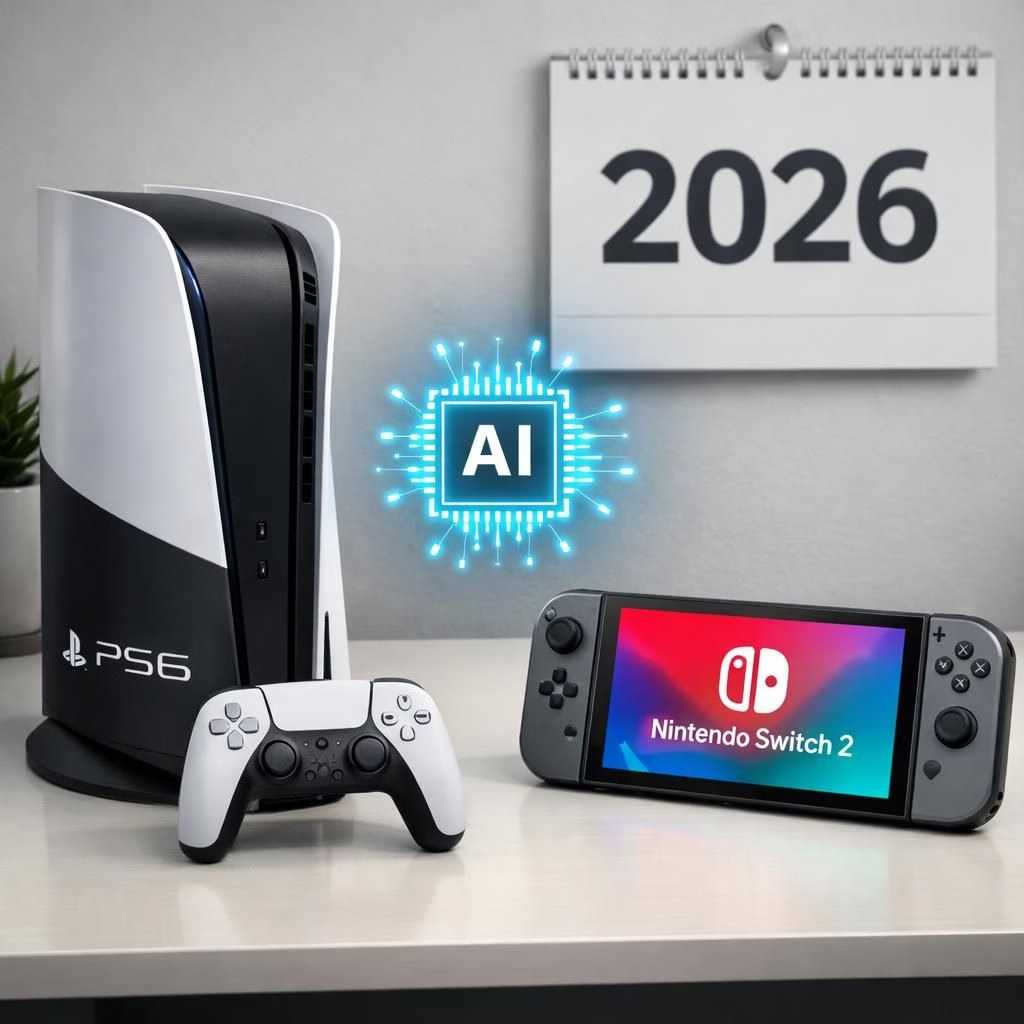
PS6 Delay Reality Check: Why 2028 or 2029 Might Make Sense
The PS6 delay chatter and the Switch 2 memory debate are two sides of the same coin in 2026, as major players recalibrate timelines and price tags around real-world constraints. The core truth remains simple: AI-driven chip complexity, memory shortages, and the goal of an exciting but affordable leap are shaping future plans rather than any midnight reboot of the gaming gods. Industry reporters point to three steady forces: AI-driven silicon demands, constrained memory supply, and a drive to deliver a leap that feels truly worth it for families, students, and budget-conscious streamers.
PS6 Delay Reality Check: Why 2028 or 2029 Might Make Sense
The chatter around a PS6 slipping to 2028 or even 2029 is not science fiction; it reflects a chip crisis and a smarter, slower burn for a big console. AI-driven demand for powerful silicon has accelerated, while manufacturers must balance performance with yields, power efficiency, and heat management. In plain terms, a bigger leap requires a longer planning horizon, steadier supply, and safety rails for studios that want compelling exclusives rather than half-baked demos. The takeaway for fans is not panic but patience: a delayed PS6 could ship with a more robust ecosystem, improved backward compatibility, and sane price points that avoid sticker shock.
Billboard-like headlines aside, the reality is that global memory and silicon supply chains have become the decisive factor in late-stage console development. Even with AI labs chugging along, suppliers must align memory tiers, cache hierarchies, and new fabrication nodes with the rest of the platform. The result is a careful, deliberate push toward a generation that feels substantial and reliable. If the outcome is a PS6 that lands with fewer delays later and a stronger launch library, many players will say the wait was worth it. The takeaway is to expect a longer but calmer rollout, with fewer day-one shortages and more room for developers to optimize games for a broader hardware set.
Switch 2 Pricing and the Memory Shortage Story
Meanwhile, the Switch 2 pricing narrative isn’t only about sticker prices; it’s about how memory shortages ripple through production schedules and regional retail strategies. Analysts note that supply constraints can translate into higher costs to secure memory, more complex manufacturing lines, and careful regional calibration. Nintendo’s approach appears to be a careful balancing act: keep the core experience accessible, invest in a meaningful performance leap, and reassure fans that a Switch 2 won’t become an inflated entry point. Buyers should watch for bundles, regional pricing nuances, and promotions that soften any price adjustments. In short, the Switch 2 price strategy is as much about perception as it is about raw hardware power.
PS6 and Switch 2: A Practical 2026 Outlook for Gamers and Creators
From the consumer perspective, the two consoles are not strictly competing but rather complementary gateways to different experiences. For PlayStation fans, a PS6 could unlock cinematic exclusives, streaming upgrades, and improved VR/MR support. For Nintendo loyalists, the Switch 2 promises portable play with easier couch co-ops and a stronger family focus, now with better online play and a smoother handheld-to-TV transition. The best approach is to map your priorities, budget, and likely first-party lineups to avoid overspending during a cycle shaped by AI and supply shocks.
Timeline, Realistic Expectations, and Smart Purchases in 2026
Timing matters, and the 2026 window could be a staged rollout rather than a sprint. Instead of chasing a single date, expect a cadence of steady developer support, incremental platform improvements, and possibly mid-cycle hardware refreshes that extend a generation’s lifespan. For buyers, patience can pay off: monitor memory costs, observe regional price adjustments, and seek bundles that add value rather than inflate costs. The broader lesson is that AI-driven chip cycles, memory markets, and supply chains do not respond to fan pressure charts; they favor efficiency, yield, and long-term planning. Being prepared helps you stay calm and ready for future announcements.
Ultimately, PS6 delays and Switch 2 price moves reflect a healthier tech ecosystem maturing at a measured pace. The industry aims to deliver compelling experiences while avoiding shortages that erode trust. By keeping expectations grounded, players can enjoy solid upgrades, smarter hardware choices, and a future where the leap feels earned rather than rushed.
Source & thanks to the original reporting: Push Square.
References
- Push Square
- The Verge coverage on memory shortages and AI-driven chip constraints
- IGN reporting on PS6 delay discussions