

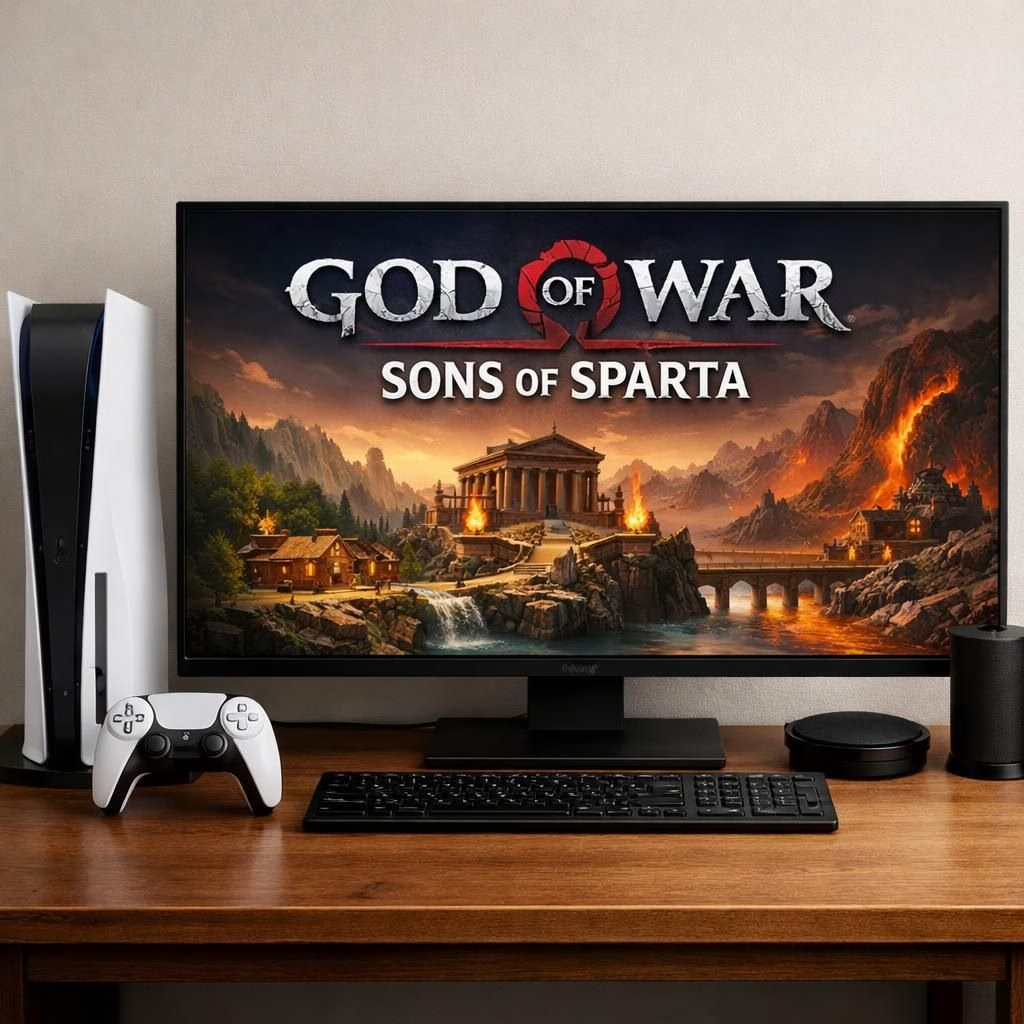
If you’ve wondered whether God of War can still thrill in 2D, you’re not alone. The chatter around God of War and Sons of Sparta has shifted to a sunny spin-off debate. People want spins that respect the license and still surprise players.
God of War in Focus: The PS5 Side-Scroller Conversation
Skeptics labeled the PS5 side-scroller as a misstep, but the best critiques become learning moments for the studio. The format demands tight rhythm, smart level design, and a respectful nod to the source material. When God of War appears in a 2D form, every frame should echo the franchise’s core energy. The conversation around God of War and Sons of Sparta legacy highlights craft, not cynicism, and treats the license with affection rather than fear.
In this discussion, the word God of War stands for storytelling weight, theater-caliber combat, and a narrative pulse fans expect. Sons of Sparta, meanwhile, tests how to translate a license into fresh mechanics without erasing what made the original work resonate. The balance is delicate, but that balance is exactly what gives the dialogue its life and humor.
What’s exciting is how the dialogue itself feels constructive rather than performative. Rather than shouting, fans ask for thoughtful experiments that honor the tone, pacing, and brutal honesty the God of War universe has earned. The talk about Sons of Sparta becomes a blueprint for respectful expansion rather than a shrinking violet moment where ideas bow to prestige.
Sons of Sparta: Licensing, Nostalgia, and a Gentle Reboot
Yes, remakes and spin-offs carry risk, but the best bets come from disciplined ambition. The God of War brand wins when spinning off means adding value, not vanity. A well-crafted 2D riff can complement the mainline saga, offering bite-sized adventures that stay true to the world. The Sons of Sparta concept, treated with care, becomes a bridge—connecting long-time fans and curious newcomers without forcing loyalty splits between God of War fans and 2D enthusiasts.
From a practical angle, the challenge is precise: control fidelity, camera logic, and enemy tempo must feel authentic to the God of War universe even on a flatter plane. The payoff is meaningful, because players experience the same elemental thrill—shape, timing, impact—from the original saga while enjoying a fresh 2D perspective. The chatter about God of War and Sons of Sparta becomes a case study in how to evolve a franchise without diluting its essence.
Licensing culture matters. The healthiest spin-offs respect the license, offer a doorway for new players, and invite old fans to explore without feeling stepped on. The association between God of War and Sons of Sparta thrives when the conversation remains inclusive, technical, and human. It’s not about erasing history; it’s about writing the next thoughtful paragraph in a living epic.
Heading toward 2026, optimism grows. A wisely executed PS5 side-scroller could broaden the universe without trampling the core mythos. A thoughtful remake could sharpen the original trilogy for modern audiences while preserving the franchise’s brutal poetry. The challenge is to fuse cinematic ambition with approachable gameplay, guiding the God of War family toward sustainable growth that respects both fans and new players. The potential for a healthier ecosystem where God of War and Sons of Sparta contributors learn from one another is real and tasty.
Technically, teams can lean into modern tooling for crisp visuals, responsive controls, and clean animation while protecting the brand’s voice. They can layer fresh ideas on top of familiar mythos instead of re-skinning comfort food. Every thoughtful tweak to the God of War engine and every careful nod to the Sons of Sparta lineage helps keep the universe vibrant. The result is not just nostalgia bait; it’s a chance to expand the myth with purposeful, accessible experiences.
In the end, the debate about God of War and Sons of Sparta feels like a family dinner where everyone brings something different to the table. Some bring sharper blades; some bring a softer garnish of humor. What matters is that the table remains full of ideas, respect for the license, and a shared curiosity about where the saga can go next. The future may hold unexpected collaborations, daring design choices, and moments that remind us why this universe hooked us in the first place.
If you have thoughts on how the God of War brand can expand without losing its soul, share them below. We invite readers to join the dialogue about the God of War universe and the Sons of Sparta legacy.
Original article gratitude: Thanks to Push Square for the thoughtful coverage; original article: It’s a Terrible First-Party Game: God of War Creator Expands on PS5 Side-Scroller Criticism.
Sponsoring a thoughtful design: God of War core pillars
Sons of Sparta: Licensing as a guidepost
- Design pillar 1: Keep the combat rhythm tight and timing-based, even in 2D.
- Design pillar 2: Preserve narrative weight with concise cutscenes and purposeful progression.
- Design pillar 3: Use a camera that supports clarity, not flashy spectacle for its own sake.
- Licensing rule: Clear boundaries between the main saga and spin-off ideas to avoid fan confusion.
- Audience pathway: A doorway for newcomers without alienating longtime fans.
Practical steps for a responsible spin-off
- Audit core mechanics from the mainline games and translate them to 2D with care.
- Prototype early, test with the fan community, and iterate on feedback quickly.
- Align visuals and sound design with the franchise’s voice, not a generic platformer aesthetic.
- Plan cross-pollination opportunities that respect both sides of the fan base.
FAQ
- Q: What is the core idea behind a 2D God of War spinoff?
A: It’s an experiment in translating the franchise’s atmosphere into bite-sized, accessible play while preserving its brutal poetry. The focus is on rhythm, risk, and meaningful choice rather than rehashing the same battles.
- Q: Will there be a new 2D game released soon?
A: The conversation centers on possibilities and licensing considerations. Any release would need to honor the source material and satisfy fans who crave both innovation and continuity.
- Q: How should licensing influence future God of War projects?
A: Licensing should guide boundaries, protect identity, and invite fresh creators to contribute without compromising the core mythos.
Conclusion
When done with intention, spin-offs like the God of War universe can enrich the brand. They invite new players in and offer a respectful place for old fans to reconnect with the energy. The key is thoughtful design, clear licensing rules, and a commitment to quality that honors the original while exploring new creative directions.
References
- God of War — official PlayStation page
- IGN
- Game Informer
- Push Square: It’s a Terrible First-Party Game