

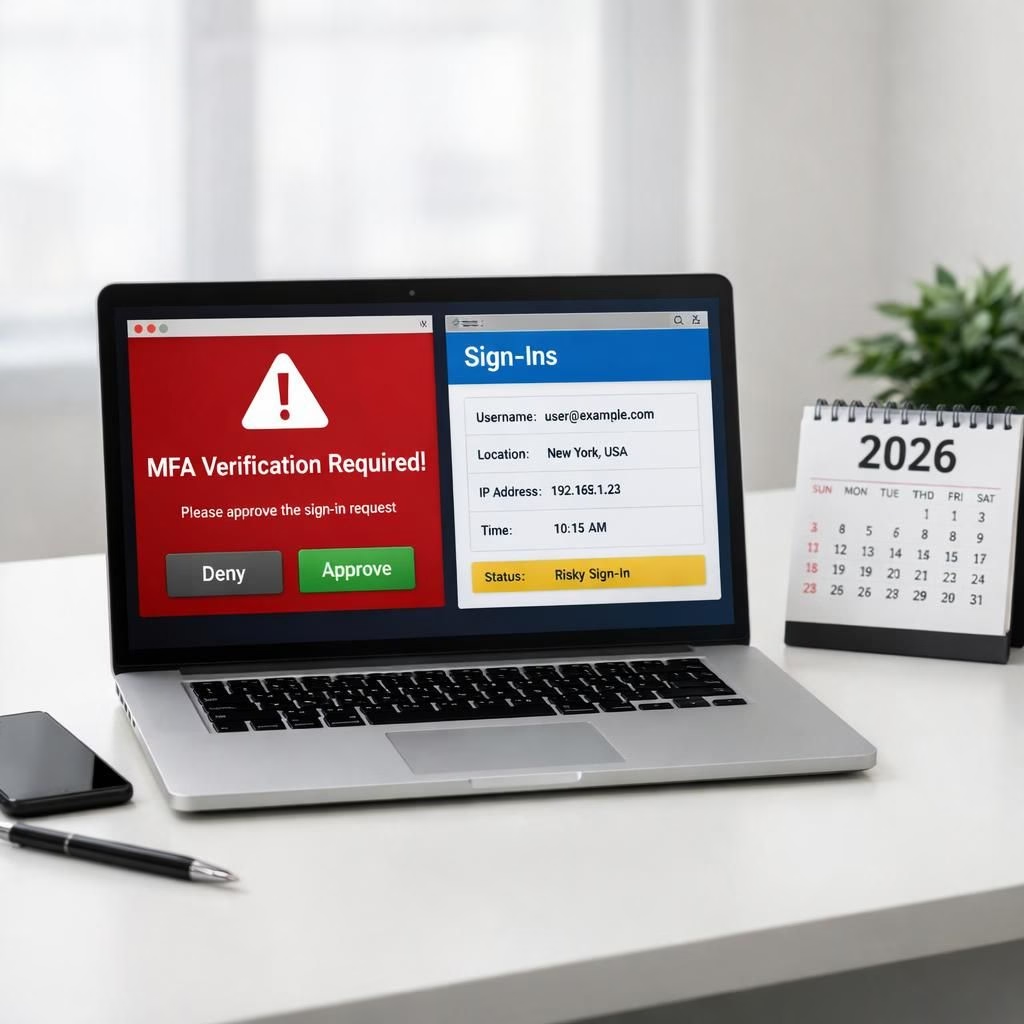
On a calm morning in 2026, the MFA and Sign-Ins platforms briefly paused login prompts for a subset of users. The outage wasn’t dramatic in a movie scene, but it reminded everyone that authentication sits on a delicate stack of services.
The core truth remains simple: MFA and Sign-Ins experienced disruption. IT teams moved quickly, rolling out practical tips for users as they restored service and communicated expected resolution times.
In plain English, a hiccup hit the service that handles multi-factor authentication (MFA) and the Sign-Ins platform. User experiences were affected, but recovery steps followed briskly.
MFA Outage: What It Means for Sign-Ins
When MFA falters, Sign-Ins can become cautious, with prompts delayed or codes not arriving right away.
IT teams validate identity flows, issue temporary bypasses or backup codes, and communicate expected resolution times.
The incident highlights the fragility and resilience of modern authentication.
The takeaway: always keep backup codes handy and ensure recovery options are up to date. The goal is to minimize user disruption while maintaining strong MFA standards, because a compromised MFA is a bigger risk than a temporary delay in Sign-Ins.
Practical MFA and Sign-Ins Security Tips for 2026
Here are practical tips to stay safe when MFA and Sign-Ins go through growing pains in 2026:
- Keep backup codes offline or in a secure password manager; they are your lifeline when codes fail.
- Enable multiple factors where possible; combine something you know with something you have to support Sign-Ins resilience.
- Regularly review recovery options and ensure alternate email or phone numbers are current.
- Educate users about phishing that attempts to hijack Sign-Ins prompts; be vigilant about not sharing codes with suspicious sites.
- Maintain offline access for critical systems in case Sign-Ins are temporarily unavailable.
- Communicate with admins to set reasonable MFA prompts, avoid overbearing prompts that frustrate users but keep strong controls.
In summary, the outage reminds us that security is a shared responsibility; MFA and Sign-Ins are essential, but they require good habits from users and robust incident response from providers.
Original reporting via Microsoft confirms outage affecting MFA, My Sign-Ins platform. Special thanks to BleepingComputer for coverage.
If you’re a reader who experienced impact, we’d love to hear how your team managed the temporary login gaps. Share your tips, questions, or experiences in the comments to help others ride out similar hiccups.
References
- Original reporting: Microsoft confirms outage affecting MFA, My Sign-Ins platform
- What is MFA? Microsoft MFA overview
- NIST Digital Identity Guidelines: NIST SP 800-63-3
- CISA IAM guidance: CISA IAM guidance
MFA resilience and Sign-Ins prompts explained
Strengthening MFA resilience helps Sign-Ins stay usable even during hiccups. By combining strong controls with practical recovery options, organizations can reduce disruption and preserve trust.