

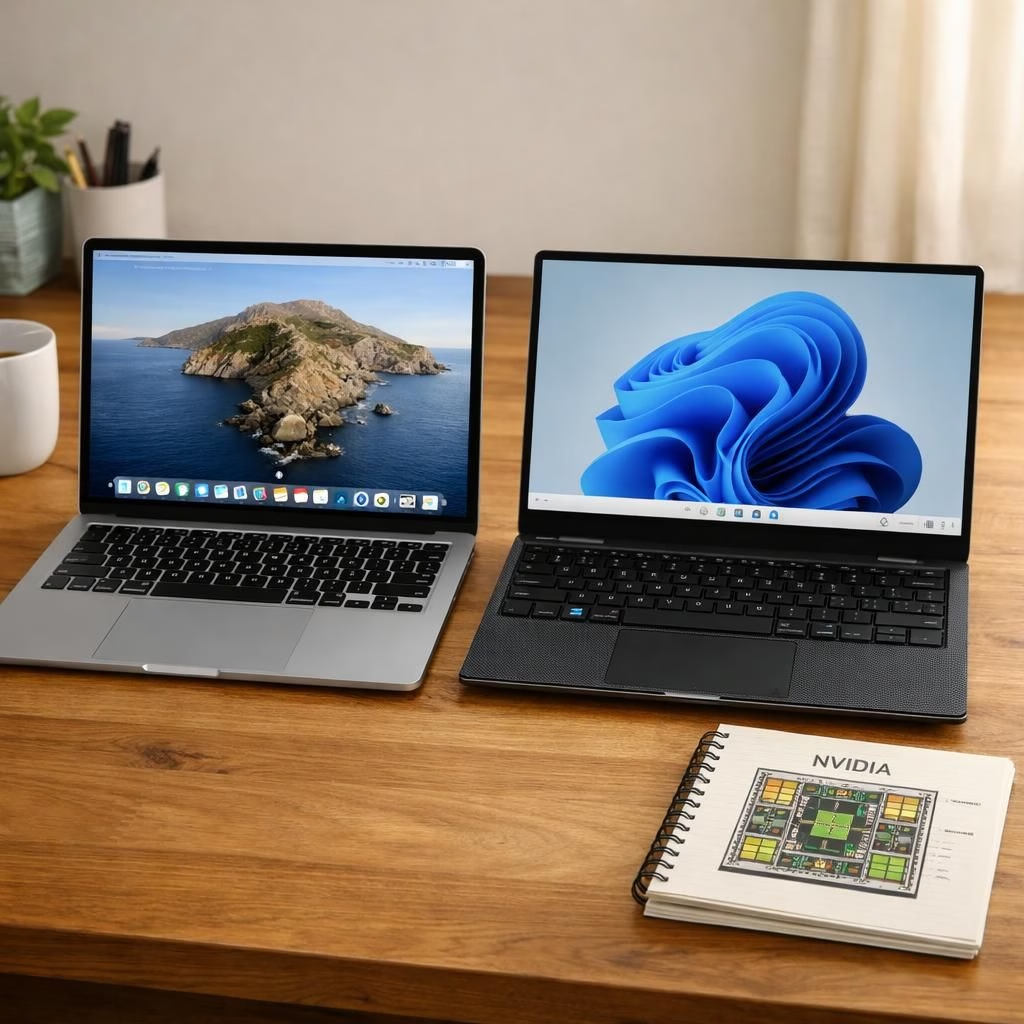
MacBook Neo and Dell XPS 13 are the talk of budget laptops in 2026. In this practical look, the MacBook Neo enters at a tempting price while Dell XPS 13 counters with Dell reliability and a modern chip mix. If you hoped for a cliffhanger, you’ve got it: the stage is set, the laptops are open, and the winner is the shopper who plans ahead. MacBook Neo and Dell XPS 13 are more than names; they frame how we value portability, performance, and price in 2026. The Nvidia PC chip debate looms in the background, adding a silicon subplot for gamers and casual productivity alike.
The MacBook Neo is the challenger that promises more value per watt, with Apple’s efficiency and a fanless vibe on some SKUs, plus a curious silicon strategy that leans on Nvidia-adjacent performance threads. Its core idea is simple: if you buy the MacBook Neo, you want a compact, capable machine that doesn’t force you to stretch your budget. I tested battery life, screen brightness, keyboard feel, and thermal behavior to gauge real-world performance. The verdict: the MacBook Neo proves you can get a surprisingly complete Apple-friendly experience at a budget-friendly price, without pretending to be a space shuttle in your backpack. The MacBook Neo isn’t just a price point; it’s a deliberate choice for light creators, students, and professionals who want macOS magic without the premium sticker shock.
MacBook Neo steals the show with value and charm
On the hardware front, the MacBook Neo keeps a slim profile, a keyboard that earns a thumbs-up from long-writing sessions, and a display that stays pleasant for long work sessions. The Nvidia PC chip angle comes up in conversations about performance-per-dollar and how Apple Silicon-like efficiency can coexist with a PC chip ecosystem. The result is a laptop that feels balanced: not flashy, but dependable for everyday tasks, light photo editing, and casual gaming if that’s your jam. The device stays cool enough for regular office setups, and the lightweight chassis makes it easy to carry from classroom to cafe without turning your back into a cable sculpture.
In real-world use, the MacBook Neo shows that price matters, but consistency matters more. It boots quickly, app switching feels snappy, and battery life stretches long enough to finish a big assignment or a streaming binge before dinner. You’ll appreciate the simple, predictable update cadence, the strong software ecosystem, and the quiet confidence of a platform battle-tested by millions. The MacBook Neo doesn’t overpromise; it offers a practical, well-rounded option that competes well with budget laptops while keeping the Apple vibe intact for those who crave a familiar workflow.
Dell XPS 13: the Dell comeback to MacBook Neo
Dell XPS 13 returns with practical swagger that says, “I can be affordable and stylish at the same time.” The launch price around $699, with limited-time discounts that sometimes drop to Dell XPS 13 $599, makes it an appealing alternative to the MacBook Neo for shoppers who want Windows versatility and a robust chassis. Dell leans into the familiar XPS DNA—thin bezels, a sturdy aluminum body, and a reliable keyboard layout that Windows fans know by heart. The display options are sharp enough for movie nights and code reviews, while battery life stays competitive when you optimize power settings for your workload.
From a performance perspective, the Dell XPS 13 is a solid all-rounder. It handles productivity suites, light media editing, and multitasking with ease, all without the fanfare that sometimes accompanies higher-end machines. If you’re a Windows enthusiast who values a straightforward setup, strong keyboard feedback, and a price-to-performance ratio that doesn’t require a calculator, the XPS 13 earns serious consideration. Its ports and configuration paths let you tailor the device to your needs—fast SSD, ample RAM for multitasking, or a display tuned for readability over long sessions. The Dell XPS 13 stands out because it isn’t pretending to be a luxury item; it’s a dependable tool for work, study, and everyday creativity.
As with any budget challenger, there are trade-offs. The chassis may not feel as premium as some rivals, and the Nvidia PC chip angle in discussions can spark chatter about future-proofing and driver support. Still, the XPS 13 remains a compelling option for budget-conscious buyers who want a high-quality Windows experience with a dash of premium design. The combination of pricing, performance, and familiarity makes the Dell XPS 13 a strong foil to the MacBook Neo in 2026’s budget-laptop arena.
Both laptops push the market toward better displays, longer battery life, and improved thermals. If you’re weighing the choice, consider your software ecosystem, your preferred operating system, and how much you value design flourishes versus raw performance. The Dell XPS 13 and the MacBook Neo each offer a compelling path forward, and the winner depends on what you value most in a daily machine: portability, price, or a seamless software experience.
To make your decision easier in a busy campus or office, test keyboards, check heat under load, and compare screen quality in your own workspace. If possible, try both models in a store or via a generous return policy. The best choice is the one that fits your workflow, budget, and sense of humor about the silicon politics of 2026.
For readers who crave a bit more context, the broader market context is clear: laptop makers are blending value with performance in ways that reward practical decisions. The era of “premium for the brand” is giving way to “smart for the user.” The result is more options, better specs at lower price points, and a healthy push toward user-centric design. The MacBook Neo and the Dell XPS 13 embody this shift, reminding us that a budget laptop can be both capable and pleasing to use without draining your coffee budget.
As you reflect on these two devices, I’d love to hear what matters most to you in a budget laptop: battery life, keyboard feel, display quality, or software flexibility? Share your thoughts below and let’s keep the conversation going.
Original article follow-up and attribution: Special thanks to the original coverage from 9to5Mac, Reuters, qz.com, ZDNet, and The Verge for the groundwork and reporting that informed this post. Original source material can be found here: 9to5Mac – MacBook Neo vs budget laptops. Your thoughtful engagement helps the dialogue grow, so please feel free to explore, comment, and link to your own experiences with the MacBook Neo and Dell XPS 13.
Original article attribution: I’m appreciative of the collaboration across outlets that inspired this retelling. Thank you for the solid reporting that framed the debate around the MacBook Neo and the Dell XPS 13 in 2026.
How to decide: 5 quick checks
- Software needs: if you rely on macOS-only apps, MacBook Neo wins; if you’re invested in Windows or cross-platform tools, Dell XPS 13 makes more sense.
- Battery life expectations: plan for a full day of classes or meetings with light to moderate workloads.
- Port selection and ecosystem: consider which ports you actually use and whether you’ll need adapters.
- Price-to-performance: compare base configurations that match your workload, not just the headline price.
- Return policy and future-proofing: a generous return window matters when you’re choosing between budget machines.
FAQ
- Are MacBook Neo and Dell XPS 13 good for gaming? Both are capable for light gaming, but they’re not gaming-first machines. Expect solid 1080p play on casual titles and older games; for heavier titles, you’ll want dedicated hardware on a higher end model.
- Which is better for students? It depends on software needs. If your courses rely on macOS apps, the MacBook Neo helps you stay in that environment. If you use Windows-based tools or need broad compatibility, the Dell XPS 13 is a strong fit.
- How can I maximize battery life? Enable power-saver modes, reduce screen brightness, close unused apps, and use native energy settings for each OS. A balanced profile often extends real-world uptime significantly.
- Can I upgrade these laptops after purchase? The Dell XPS 13 generally offers more upgradability in RAM or storage on some configurations, while the MacBook Neo tends to be less upgradeable due to its integrated design.
Conclusion: The best choice depends on your workflow and budget. If you value macOS familiarity and portable charm, the MacBook Neo is a strong pick. If you want Windows versatility and a robust build at a compelling price, the Dell XPS 13 remains one of the sharpest budget-friendly options in 2026. The key is to test both, consider your software needs, and pick the one that fits your daily routine.
References
- The Verge coverage on budget laptops and design trends
- Reuters reporting on Dell and Apple-like PC competition
- ZDNet analysis of budget-friendly PCs and chips
- 9to5Mac – MacBook Neo vs budget laptops
- Original source linkback: https://9to5mac.com/2026/06/01/macbook-neo-rival-launched-at-599-nvidia-pc-chip-takes-on-apple-silicon/