

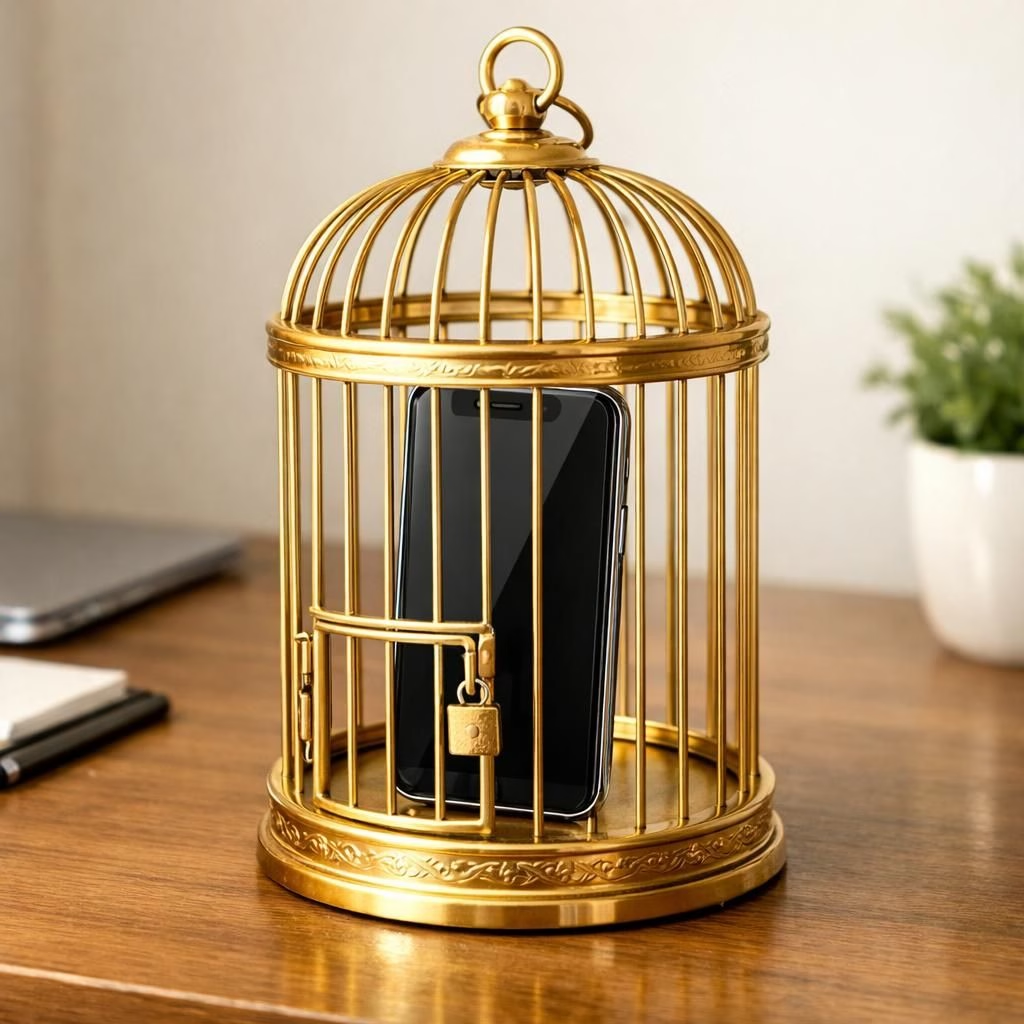
The Trump Phone captivates with a gilded cage around a two-year-old smartphone; the exterior gleams, but the internals echo HTC‑style hardware. This isn’t about scandal; it’s a real-world look at how hardware identity seeps into everyday security stories. As we peek behind the glossy shell, we remember a practical compass: Security Tips in 2026 matter for real people, not just gadget glamour. In other words, it’s about what code, parts, and firmware whisper beneath the veneer.
Trump Phone: A Curious Case in Modern Tech History
Investigations trace this device to a near-dupe of an HTC design, built from a sprawling supply chain. The casing gleams, but teardown notes show the heartbeat is familiar hardware from a Taiwanese-style blueprint with Chinese-made parts. Reports from Gizmodo, NBC News, The Verge, Mashable, and The Daily Beast converge on a simple idea: the gilded exterior often masks a common skeleton. The Trump Phone isn’t a prop; it’s a case study in how branding, supply chains, and firmware interact to shape user experience and risk.
Hardware identity matters because firmware, bootload options, and update paths ride on the parts underneath. What seems like a fancy shell may carry the same login prompts, same cryptographic quirks, and the same potential for vendor lock-in as any baseline device. The story isn’t about political theater; it’s about how a device travels through multiple factories and how tiny choices become big questions for privacy and security.
The Trump Phone reminds us that hardware identity matters. Even a glamorous case cannot erase the fingerprints of where the parts came from, how they were assembled, or what firmware was flashed at the factory. This is not doom-mongering; it is a reminder that the devil sits in the firmware details, not just the fashion verdict.
Trump Phone: Hardware Provenance and Privacy
Provenance affects security in tangible ways: it shapes updates, encryption, and how vulnerabilities travel from factory floor to user. The same tiny decisions—where a chip is sourced, how it’s soldered, and which bootloader is shipped—determine risk in everyday use. A glamorous shell can still mask a chain of custody that matters for privacy.
Security Tips in 2026: Lessons from a gilded gadget
Three practical ideas stand out for everyday users. First, verify hardware provenance whenever possible; a known brand name doesn’t guarantee a clean supply chain. Second, keep firmware updated and enable encryption whenever available. Third, adopt solid security hygiene: avoid insecure sideloading, use strong passcodes, and limit sensitive data exposure on untrusted networks. Security Tips in 2026 emphasize practical steps, not frantic hype.
- Hardware provenance matters for updates and trust.
- Firmware updates and encryption are essential.
- Security hygiene beats luck in most real-world scenarios.
- Aesthetics are nice, but they won’t fix a broken update path.
In addition to these checks, always review app permissions and keep a wary eye on questionable adjacency of apps, networks, and firmware. The lesson is simple: style is nice, safety is essential, and both can coexist when you stay curious and disciplined.
The Trump Phone reminds us that hardware identity matters—more than a gilded finish suggests. If you treat the device as a mirror of the supply chain, your risk signal improves and your decisions become sharper. For real-world guardrails, Security Tips in 2026 provide a practical framework for updates, permissions, and network hygiene.
Want to weigh in? Please share your thoughts in the comments.
Original reporting and inspiration: Gizmodo: The Trump Phone Is Literally a Gilded Cage for a Two-Year-Old Smartphone. A big thank you to Gizmodo for the original reporting and thoughtful perspective on hardware storytelling.