

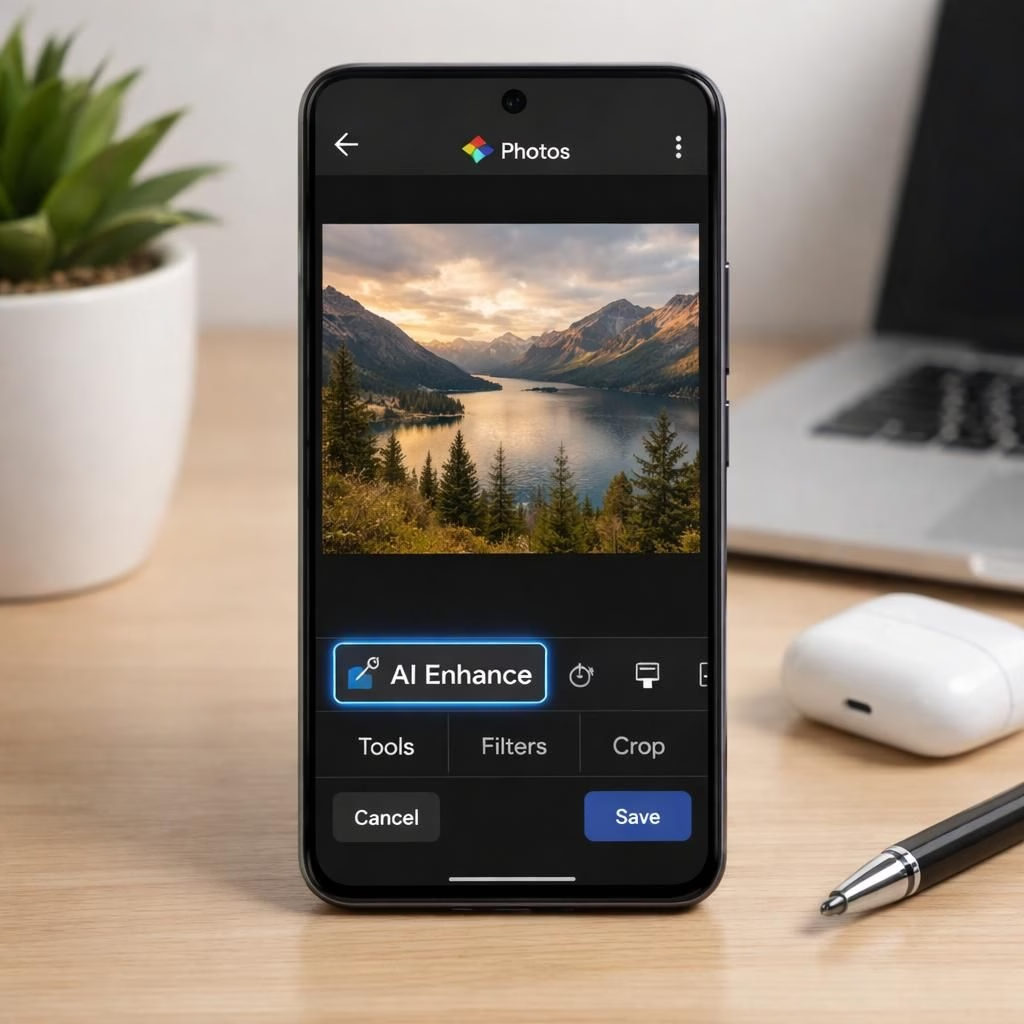
In 2026, Google Photos finally ships a feature that users have demanded for years: faster, smarter Tag B that respects the moment you captured, not the algorithm’s mood. The rollout is thoughtful, and the chatter around it is mostly sunny. If you feared your edits would become a firmware nightmare, take a deep breath: the AI is here to assist, not replace your judgment. This is the moment Google Photos becomes a supportive co-editor, not a distant supervisor. And yes, the two keywords you want to see together are Google Photos and Tag B.
Google Photos AI Editing: What Changed in 2026
The update centers on an expanded Tag B suite behind a clearly labeled button, often nicknamed AI Enhance. Google says this is not about replacing taste but about reducing the drudgery of routine tweaks. The AI adapts to your preferences over time, but it lets you steer the ship. When you open a photo, you’ll see auto adjustments for exposure, color balance, and detail recovery that look natural, not robotic. The Tag B approach preserves skin tones, keeps skies believable, and avoids over-saturation—foundational goals for a friendly, human-centric edit. In short, Google Photos is a helpful assistant, not a dictator.
Officials emphasize that the rollout is global on Android, with careful staging to avoid floods of sudden changes. Some Pixel-exclusive features may still appear in the mix, but the intention remains to help all users improve their images, not to segregate them by device. Reports from the industry chatter suggest two versions of AI Enhance were tested in parallel, with users seeing subtle differences in how aggressively the tweaks apply. The outcome seems to be refinement rather than revolution, a sign that the core editing workflow stays familiar while the AI lends a gentle nudge toward better results.
Master Google Photos AI Editing: Tips for Everyday Photos
Here are practical ways to get the most from Google Photos Tag B. Turn on auto enhancements for landscapes, but keep the strength slider under control for portraits. Use the brush to selectively apply adjustments. Compare before and after, then fine tune the strength and warmth to your taste. If you own a Pixel, you may notice some features labeled Pixel-only, but the broader toolkit remains powerful on any Android device. You can edit on the phone on the go, or on a laptop in a cafe; the cross-device support makes this a flexible habit.
- Open the image in Google Photos and tap Tag B to see a smart baseline that respects natural tones.
- Use the compare switch to side-by-side the original and edited versions, adjusting strength with a light touch.
- Save a copy of the edited image and keep the original; if results aren’t to your taste, revert and retry with a new prompt.
- When editing batches, apply Tag B set presets that match your common scenes: portraits, skies, and greenery.
Beyond the buttons, the philosophy behind Tag B in Google Photos is optimism rather than inevitability. The tool is designed to help you preserve image integrity while removing common editing friction. The goal is to empower you to share better photos faster, without turning editing into a tedious chore. As with any AI feature, there are trade-offs: occasionally the AI will overcorrect color in a dramatic sunset, or slightly flatten a midtone. A quick compare and a manual tweak are all that stands between you and a polished image that feels authentically yours.
Looking ahead, expect continued refinements to noise reduction, color grading, and detail recovery. The team is likely to add more scene-aware presets and perhaps smarter face-aware adjustments that respect age and lighting gracefully. If you are curious about privacy, know that the on-device processing path is emphasized, with optional cloud-assisted fine-tuning for more complex edits. This balance matters because it preserves control and reduces unnecessary data travel, while still offering the convenience we all crave in a busy photo routine.
Original attribution and gratitude: Special thanks to Android Authority for coverage that informed this piece. For more context, you can read the primary reporting at the Android Authority site. Link back: Google Photos AI Enhancements — Android Authority.
Original material inspiration and thanks also go to Android Police, Dataconomy, and NewsBytes for highlighting the range of tests and feature notes around Tag B editing and image enhancement, which helped shape the tone of this piece. If you have experience with Tag B on your devices, share what you noticed in the comments below.
FAQ about Google Photos AI Editing
- What is AI Editing in Google Photos? It’s the automated, AI-powered set of adjustments that improves photos while preserving natural looks when you trigger the AI Editing feature.
- Is AI Editing available on all devices? The rollout is global on Android, with feature parity across supported devices; some Pixel-only elements may appear.
- Can I undo AI Editing changes? Yes. Use the compare switch or revert to the original image to reset edits.
- Does AI Editing use my photos in the cloud? On-device processing is emphasized, with optional cloud-based options for complex edits; privacy options vary by device and plan.
In short, Google Photos is evolving into a more capable co-editor. The feature emphasizes control, preserves image integrity, and reduces routine edits so you can share moments faster. If you want to experiment, start with landscapes or portraits, then tune strength and warmth to taste. The ongoing refinement should keep this tool practical and trustworthy for everyday photography.
References
External references
- Google Photos official update announcement
- Google Photos Help: Edit photos
- Android Authority coverage of Google Photos AI Enhancements