

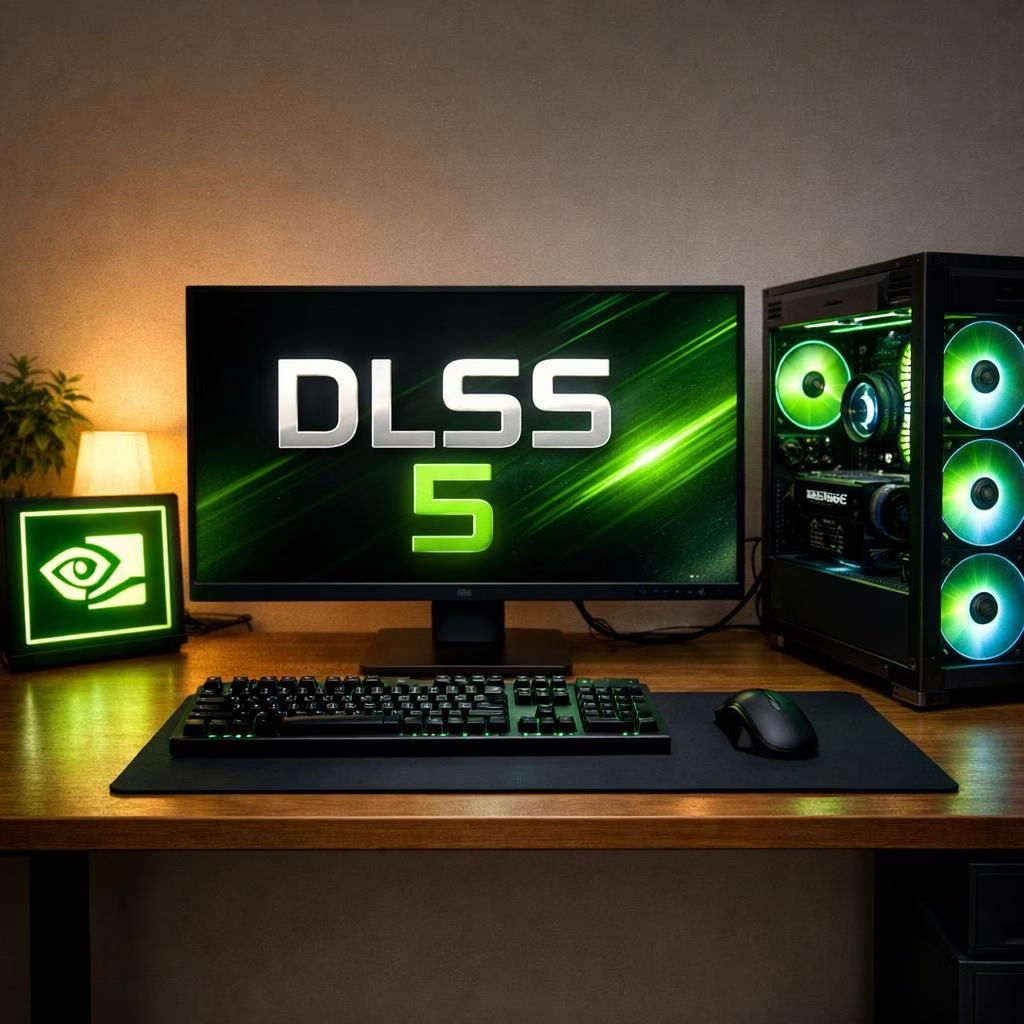
DLSS 5 and [Tag B](https://www.geekyopinions.com/tag/NVIDIA) have become the glossy center of gamer memes, heated hot takes, and genuine testing. The chatter is loud, the memes louder, yet the real story hides in how many frames the tech can push and how clean the visuals look. In 2026, AI upscaling moved from a niche trick to a headline feature, and DLSS 5 is a big part of that shift. This article walks through what DLSS 5 promises, what it actually delivers, and why some players cheer while others stay skeptical.
Gamers trade memes the way fashion trades lunch money. They argue about numbers and frame times, but the lab bench matters too. [Tag B](https://www.geekyopinions.com/tag/NVIDIA) has shared demos, and outlets like Digital Foundry and Tom’s Hardware have tested real games. The result is a mixed bag: sharper lighting in some titles, and edge cases in others. The public conversation focuses on flashy visuals and dramatic before/after images. Behind the scenes, the AI model runs on matrix operations that guess textures and lighting. The process aims to preserve detail while rendering fewer pixels. No magic, just careful optimization and a touch of machine learning.
DLSS 5 and NVIDIA: memes meet metrics
DLSS 5 introduces a deeper network, better temporal stability, and smarter motion handling. Gamers notice less blur on distant geometry, more accurate reflections, and improved global illumination in some scenes. Early comparisons show variations by game, engine, and driver version. The memes memorialize dramatic lighting upgrades that glow a little too perfectly. The takeaway is simple: the tech is real, but results depend on context, settings, and whether you run at 4K or 1440p.
DLSS 5: Ambition, visuals, and energy notes
[Tag B](https://www.geekyopinions.com/tag/NVIDIA) touts an efficiency angle: you can save wattage by smart upscaling heavy scenes. In practice, the energy story is nuanced. When you enable DLSS 5 in a demanding title, the GPU does less raster work but engages the AI network. For many gamers, the end result is smoother frames, brighter lighting, and less stutter in cinematic sequences. For others, the price of new hardware, driver readiness, and game quirks can temper gains. Gains vary by GPU model, game engine, and user tolerance for tweaking. A trend to watch is how DLSS 5 interacts with ray tracing and global illumination. Some scenes improve dramatically; others stay similar to DLSS 4. Critics warn about diminishing returns on older rigs; supporters call it a meaningful step forward for RTX 50-series users.
Beyond numbers, the user experience matters most. Settings matter, and presets sometimes hide tradeoffs. If you crave the crisp glow on a city at night, DLSS 5 can deliver. You may need to adjust sharpeners and motion settings to avoid an uncanny look. If you prefer a steady feel across titles, you’ll enjoy stability and reduced aliasing. The result is not one-size-fits-all; it is a toolkit with benefits and caveats you can tune. For creators, improvements in fidelity can translate to more impressive productions with less render load.
For developers, DLSS 5 pushes new design questions. The tech is not a silver bullet; it requires careful integration with ray tracing and the engine’s upscaling logic. The best results come from collaboration among developers, drivers, and the AI model. A broad software ecosystem lets gamers enjoy benefits without heavy tinkering. The future looks bright, but expectation management matters as the ecosystem matures.
In sum, the controversy around DLSS 5 and [Tag B](https://www.geekyopinions.com/tag/NVIDIA) rests on hype and realism. The hype is understandable; the visuals are dazzling. The realism is that every title is unique, and gains depend on hardware, titles, and settings. The tech is advancing, and memes keep pace, but the practical reality is that mileage varies. It is a meaningful step toward higher fidelity without crushing frame rates in many scenarios.
Original article: AP News: Nvidia DLSS 5. Thank you to AP News for the original reporting and inspiration. For broader context, read coverage from Tom’s Hardware, Digital Foundry, Engadget, and others.
What do you think about DLSS 5 and [Tag B](https://www.geekyopinions.com/tag/NVIDIA) in 2026? Share your thoughts in the comments below. I’m curious how your experiences line up with the hype and the reality.