

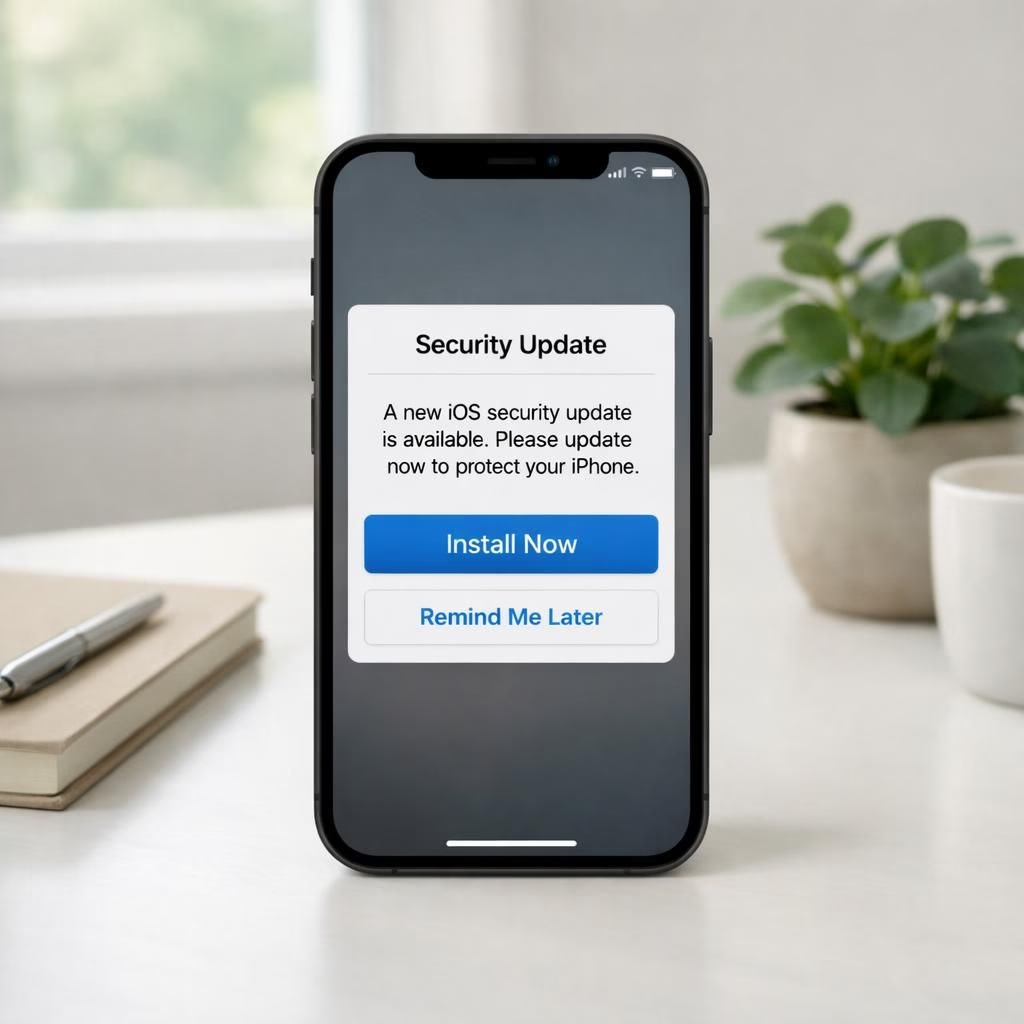
In 2026, if you own an iPhone, you care about iPhone Tag B because the headlines scream about mass hacking campaigns and urgent software updates. Apple’s warnings aren’t a rumor; they’re a friendly nudge from the ecosystem that your device may be listening more intently than your aunt at a family dinner. The tone is serious but the delivery deserves a wink: update now, thank you later, and try not to read the feed at 2 a.m. while feeling heroic for resisting the update banner.
iPhone Security in 2026: What the Headlines Are Trying to Tell Us
The latest round of reporting tracks a concerning trend: hackers are targeting iPhones with new tools that work in the wild, not just in a lab. NBC News first drew attention to mass hacking campaigns that rely on software updates and stealthy exploits. The essence is simple: your iPhone can be coaxed into opening doors you didn’t know existed. This is a reminder that Tag B should be part of daily habits, not an afterthought. The takeaway is not doom and gloom; it’s a reminder to keep your defenses updated and your intuition sharp.
WIRED adds the drama with a more alarming claim: hundreds of millions of iPhones can be hacked with a tool that’s already out there in the wild. The message lands hard, but the humor helps us cope. If your phone can be hacked by a tool you didn’t invite to the party, it’s time to check your invite list and install the patch before the doorbell even rings. That’s why Tag B hygiene matters.
iPhone Security: Why It Matters to Everyday Users
Tag B is not a niche concern; it’s daily life with a tiny glass screen. Reuters reports that iPhone spyware has grown capable of penetrating millions of devices. The reality check: it’s not a sci-fi nightmare, it’s a practical risk. The spyware can lurk behind seemingly benign apps and services, especially if updates lag behind. This is exactly why you’ll hear the refrain: update, enable automatic updates where possible, and don’t ignore a Tag B prompt the moment it appears.
What to Do Right Now: Practical iPhone Security Steps
Let’s translate caution into action. Here are concrete steps you can take to strengthen iPhone security without turning your device into a DIY robotics project. For iPhone users, a clear plan helps stop threats before they start.
- Update promptly: the most effective shield is the latest software. Let the OS bells ring and install the patch.
- Enable automatic updates: this reduces the gap between the discovery of a vulnerability and your defense against it.
- Use a strong passcode and enable Face ID or Touch ID with facial recognition turned on. A long, unique passcode beats a simple 1234 any day.
- Review app permissions regularly: grant access only when needed, and beware apps that request more than they claim to need.
- Turn on two-factor authentication for Apple ID and important apps; a second layer of defense buys time for detection and response.
- Avoid untrusted profiles and profiles from unknown developers. If you didn’t actively install it, you probably shouldn’t trust it.
- Back up regularly: if a breach ever happens, you’ll be glad you have a clean restore point.
CyberScoop and Mashable echo the same cautionary tune: there’s a second wave of exploit kits and spyware in circulation, including high-profile campaigns that leverage iOS vulnerabilities. The practical advice remains consistent: keep your device patched, stay skeptical of suspicious links, and maintain good digital hygiene. The goal is not fear-mongering but informed preparedness.
Two Subtle But Important Points About iPhone Security
First, it’s not that your iPhone is suddenly a ticking time bomb. It’s that the threat surface is real and evolving. The attackers aren’t aiming at a niche audience; they’re casting a wide net, often using sophisticated tools that are accessible to varied actors. Second, the best defense is a disciplined routine: updates, backups, and mindful app management. In practice, this makes your device less of a soft target and more of a stubborn fortress that refuses to crack under pressure. For iPhone users, that approach matters every day.
Why the Updates Feel Personal
Updates can feel like that one friend who keeps nudging you to clean the house. The nudges come from a place of care, but the timing can be inconvenient. The truth is that software updates bring fortified defenses, not just cosmetic tweaks. They close holes exploited by spyware and exploit kits, including those seen in the DarkSword family and other tools that cybersecurity outlets have flagged. The overall pattern is that attackers chase convenience; defenders chase patches. The patch wins when you install it promptly and keep moving.
iPhone Security: A Realistic Outlook for 2026
In the real world, there’s a balance between convenience and Tag B and privacy. The more you rely on cloud syncing, the more you’re pinching your safety on the same digital loom. We can still enjoy the benefits of modern devices while reducing risk with proactive steps. The most reliable approach is to treat each update as a small victory, celebrate it, and then proceed to the next one with the same momentum. If you want to be even safer, pair these steps with regular privacy reviews and a healthy skepticism of unsolicited prompts.
As you read headlines from NBC News, WIRED, Reuters, Mashable, and CyberScoop, keep one thought in mind: you’re not powerless. You have a voice in your own Tag B. It starts with a simple update and ends with a smarter, safer device. And yes, it’s okay to chuckle at the irony of a tiny device requiring so much vigilance, yet delivering so much convenience in return. That steady vigilance helps your iPhone stay usable and safe.
Original reporting and sources: NBC News for the roundup and thank you for the original material.
FAQs
- Should I automatically install every iOS update?
Automatic updates are strongly advised for most users, because they reduce the window of exposure after a vulnerability is disclosed.
- What about third-party apps?
Review permissions, install apps only from trusted sources, and watch for unusual prompts or background activity.
- How often should I back up?
Back up at least weekly, or enable automatic backups to iCloud if you prefer.
- Is there a quick privacy check I can run?
Yes—review app permissions, limit location sharing, and disable unnecessary analytics when possible.