

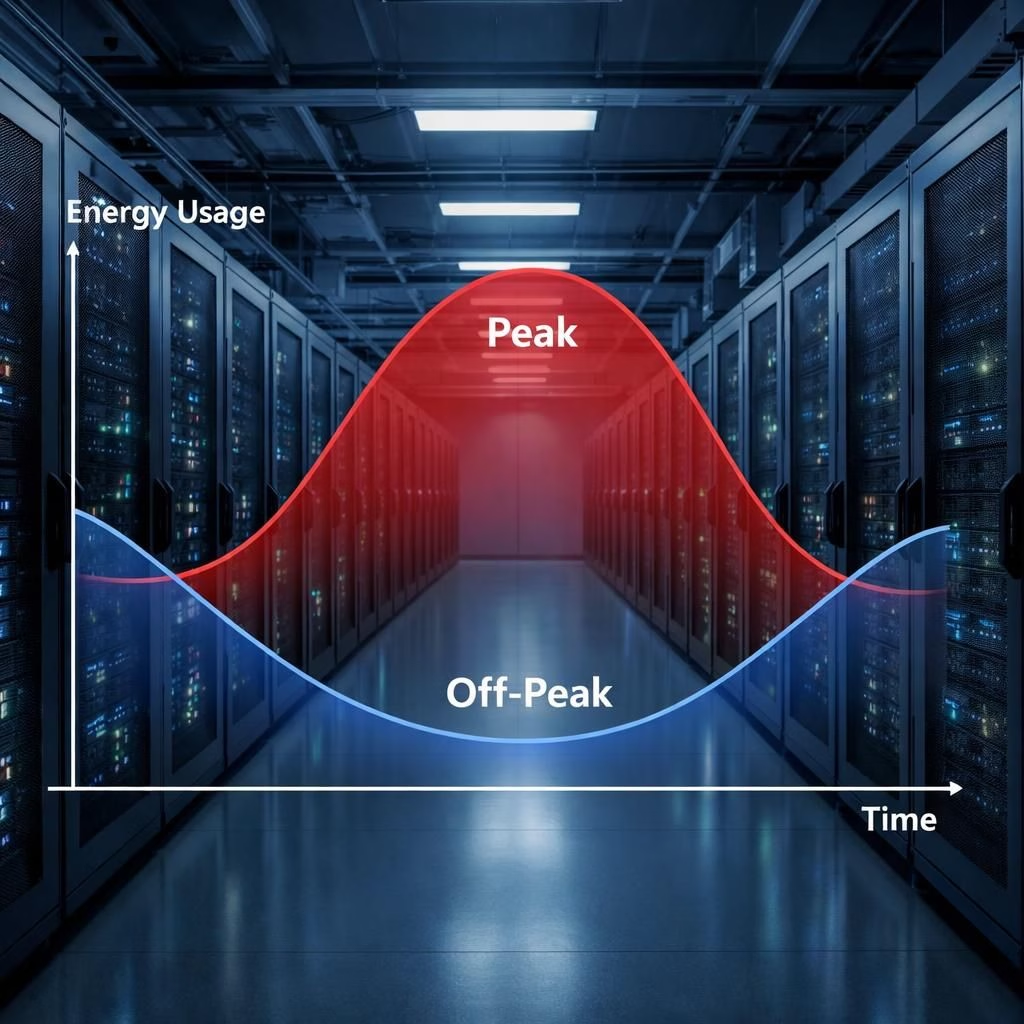
In 2026, Google leans into demand-response as a practical tool for the power grid. The company has signed demand-response agreements with five U.S. utilities to ease the data-centers draw during peak times. This is not a stunt; it is a calculated move to keep lights on as AI workloads use power. During hot afternoons or chilly mornings, grid demand spikes; Google can cut up to 1 gigawatt of data-centers load.
That capacity could power about 750,000 homes for a moment, while the grid breathes easier and servers hum. Reuters reported that Google extended deals with Entergy Arkansas, Minnesota Power, and DTE Energy, building on earlier agreements with Indiana Michigan Power and TVA.
demand-response in action with data-centers
Under the demand-response agreements, data-centers can reduce electricity use at designated facilities during peak periods. The company can cut as much as 1 gigawatt at peak demand, a figure grid operators recognize. The contracts with Entergy Arkansas, Minnesota Power, and DTE Energy join earlier ones with Indiana Michigan Power and TVA. In practice, Google signals facilities to trim nonessential loads, shift non-time-sensitive tasks, and maintain service levels through smart power planning.
data-centers and demand-response balance
From a policy and technology vantage point, this move signals a broader industry shift toward proactive energy management for data-centers. Data-centers can adjust cooling schedules, throttle nonessential processes, and rearrange jobs to lower-demand windows. The result is a calmer grid during weather extremes and a more predictable energy bill for customers. Google’s approach could spark similar partnerships across the sector, nudging an ecosystem toward smarter consumption while continuing to push the envelope on AI.
What does this mean for end users? Fewer interruptions during heat waves or cold snaps, more consistent service, and the quiet satisfaction of a cloud that weighs its energy footprint with a calculator. It’s not about stifling ambition; it’s about aligning growth with a more resilient energy system. As power supplies tighten across regions and new infrastructure takes years to come online, demand-response in 2026 becomes a practical default for responsible AI expansion.
Thanks to Reuters for the original reporting that highlighted these partnerships. Original Reuters reporting: Reuters reporting.

What it means for end users
- Fewer interruptions during heat waves or cold snaps as data-centers participate in demand-response.
- More predictable energy usage and steadier service as grids manage spikes with signals from the cloud.
- A practical model for responsible AI scaling that respects grid limits.
References
External sources
- Reuters: Google signs five utility demand-response deals
- U.S. Department of Energy: What is demand response?
- NREL: Demand response and grid resilience