

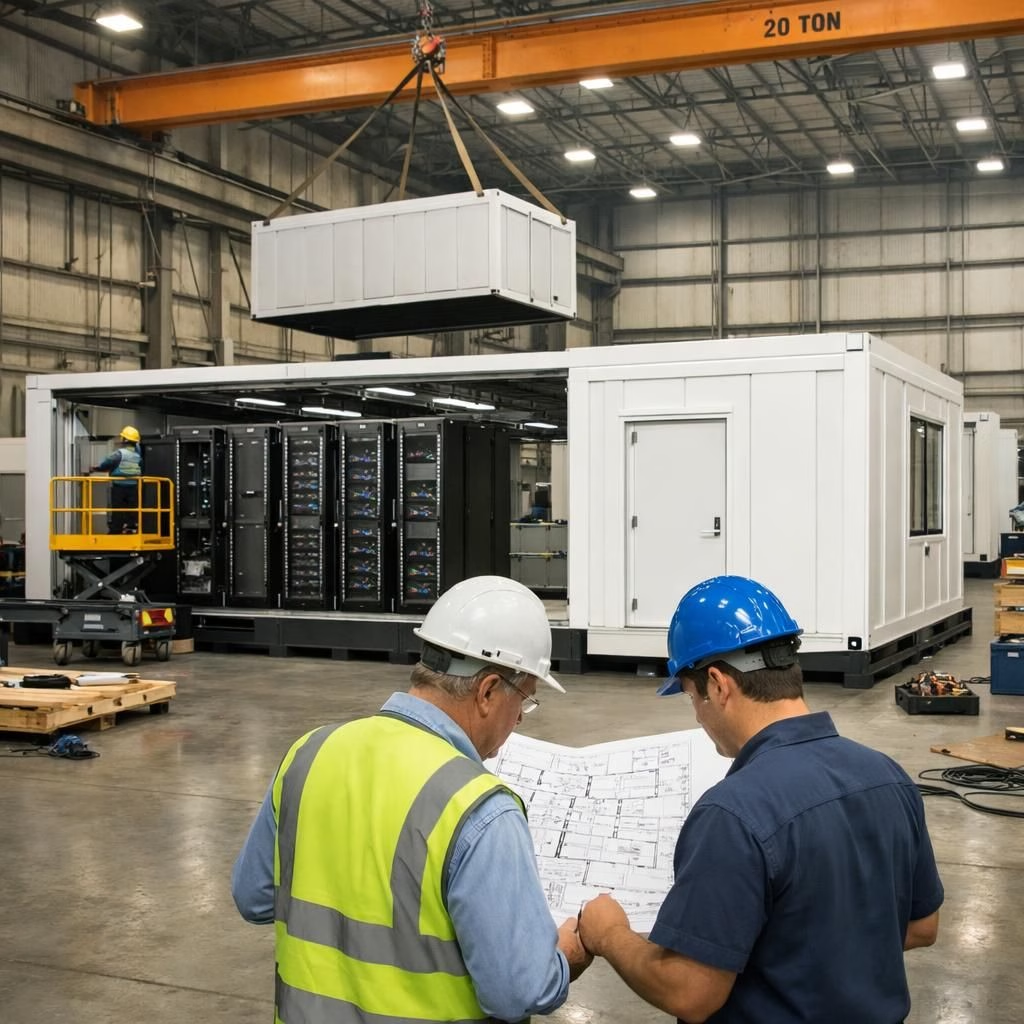
In 2026, data center schedules get a makeover thanks to Project Houdini, an approach that shifts much of the on-site work to factory floors. By preassembling core components into large, transportable blocks, this modular infrastructure strategy aims to deliver AI-ready capacity faster and at lower cost.
data center gains with modular infrastructure approach
The concept is clear: move most work from a crowded site to a controlled factory, where teams assemble core components into large, transportable blocks. These blocks slip into place on arrival, letting the server rooms, power feeds, cooling, and cabling slot together quickly. AWS argues this reduces on-site hours and stabilizes cost, which matters as AI workloads swell. The BI coverage cites months shaved from schedules and thousands of labor hours saved, a practical win for project teams.
data center modular infrastructure path to faster AI
As plans move forward, the approach expands from a single hall to larger sections, including core server areas, while keeping tight control over how modules integrate. The effort involves partners and early production runs in several cities, including Topeka, Houston, and Salt Lake City, with Cupertino Electric Inc. on the roster. The promise remains simple: deliver AI capacity faster and at lower cost, a claim AWS reiterates in its statements. Yet, power availability remains a real constraint, because grid upgrades can take years even when modules are ready to ship.
The upside is clear: faster deployments, standardized components, and predictable delivery that reduces risk for operators and customers alike.
scale, locations, and practical constraints for Houdini
Industry observers say this modular infrastructure shift signals a broader change in how data centers are built. The strategy enables rapid scaling from single halls to campus-wide deployments while providing a measure of control that helps keep costs in check. Pilot sites are expected to demonstrate how teams manage logistics, supply chains, and operations at scale as AI demand grows. Still, grid readiness, energy access, and permitting timelines can shape real-world results. The trend remains promising: it offers a repeatable blueprint to deliver robust AI infrastructure with less guesswork and more reliability than traditional buildouts.
For data center teams, this modular infrastructure approach should simplify maintenance and speed upgrades.
We invite readers to share their thoughts in the comments below.
Special thanks to Business Insider for the original reporting. See the original article here: Business Insider – Houdini and AI infrastructure. Thank you for the inspiration.