

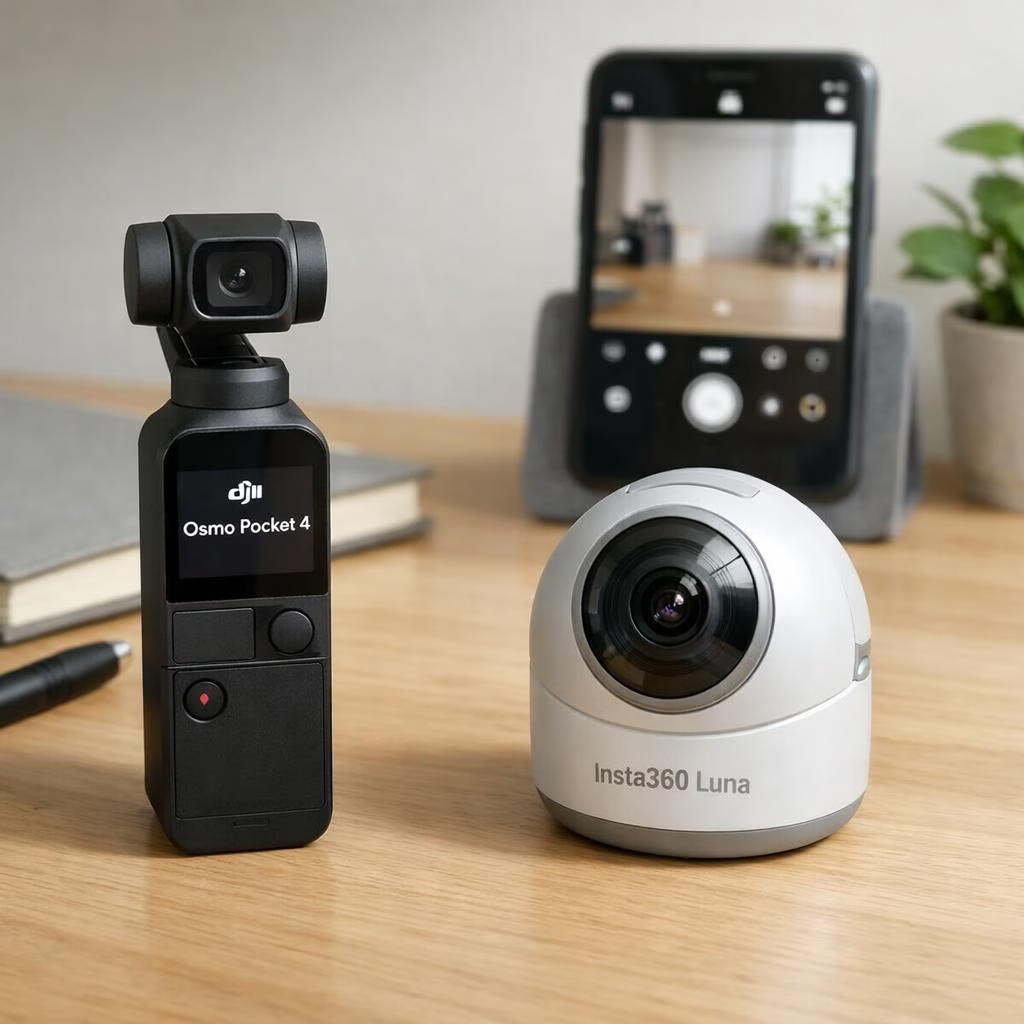
Welcome to a sunny, slightly cheeky look at the DJI Osmo Pocket 4 hype alongside its rival Insta360 Luna. If you shop through our links, we may earn an affiliate commission; that’s how we keep the lights on while we nerd out about pocket cameras. The buildup to the DJI Osmo Pocket 4 launch has been busy but exciting, and the chatter about a rival Insta360 Luna adds a little extra spice to the calendar. DJI teases a future with better sensors and Open Gate compatibility, while the rumor mill hints at a refreshed design and a twin set of physical buttons. The world has converged on a single idea: a tiny camera that can do big things, and both DJI Osmo Pocket 4 and Insta360 Luna are trying to prove it can be more than a novelty. The teaser clip proclaims, “The world in my pocket,” and it lands with the confidence of a device that’s ready to prove itself in real life, not just in press releases. The opening media hints at sensor upgrades, Open Gate compatibility, and a more flexible shooting experience, all wrapped in a package that still fits in your palm. The message lands with a wink: this is not just a gadget; it’s a pocket-sized studio with a dash of swagger for 2026.
DJI Osmo Pocket 4: Sensor upgrades and Open Gate
The first big signal is the sensor story. The Osmo Pocket 4 is expected to step up to a 1-inch class sensor, a leap from the compact sensors of its predecessors. Creators who crave lower light performance and richer color should feel encouraged. A larger sensor often means better dynamic range and improved noise control in challenging lighting. When you pair a bigger sensor with smarter processing, you don’t just get nicer photos; you unlock more creative latitude for video. The Osmo Pocket 4 is not shy about Open Gate compatibility, a feature that lets you use more of the sensor real estate for filming. In practice, Open Gate could allow for more cinematic framing, wider color, and less cropping when you push for that editorial or documentary look. If the Open Gate standard becomes a default, you’ll see more from the sensor than a typical crop would allow. The gadget world loves to talk about sensors, but for creators the bottom line is simple: more useful sensor area equals more options in post and more dramatic takes in camera lip-sync mode for social clips. The Osmo Pocket 4’s rumored design refresh, including two extra buttons on the body, signals a transition from convenience toy to capable creator tool. Those extra controls may provide quick toggles for exposure, white balance, or a favorite look, helping you stay in the moment rather than chasing menus. The two-button tweak is small, but small changes on a pocket camera can translate into big wins when you’re filming on the go. In short, the DJI Osmo Pocket 4 could be the compact option that finally feels like a true pocket cinema machine, especially if the Open Gate workflow proves as flexible as rumored. And yes, the tech chatter around this device keeps mentioning the same star players: the improved sensor and the Open Gate angle, with the two extra buttons acting as the practical flourish that makes on-the-fly tweaks more feasible during a run-and-gun shoot. The DJI Osmo Pocket 4 also enters a buzzing market moment where rivals might raise the bar, and that pressure often yields better firmware, smarter stabilizers, and more reliable autofocus — all good signs for users who want results without a lab full of gear.
Insta360 Luna: a rival that could reshape the market
The Insta360 Luna is described by leaks as a more interesting rival, which is a spicy way to set expectations. We already know Insta360 has built a reputation for bold software, multi-camera capture modes, and a playful approach to form factors. The Luna’s official announcement exists in the wild in a way that feels tangible but not fully pinned down in terms of exact sale timing or complete specs. The fact that Insta360 Luna exists as a substantial challenger matters more than any single spec sheet. It signals that the market for pocket cameras with strong stabilization, creative modes, and versatile workflows is not a one-horse race. For consumers, that means more choices, more experimentation, and a bit of healthy competition that could push both brands to ship more refined firmware and user-friendly apps. The Luna narrative also underlines a larger truth: today’s creators want gear that is approachable, robust, and capable of delivering share-ready results with minimal friction. If Insta360 Luna brings a strong feature set to market, it could lift the entire category by prompting faster updates, better color science, and more intuitive controls that echo in both the smartphone and action-camera ecosystems. The Luna’s path to launch remains a little murky in terms of exact timing, but the conversation around it is bright and curious, with plenty of room for hands-on impressions once reviews start to surface. A competitor that’s genuinely interesting injects momentum into the ecosystem, and that’s good news for creators who want to tell stories with fewer headaches and more character.
From a content strategy angle, both DJI Osmo Pocket 4 and Insta360 Luna benefit from a narrative that blends hype with practical expectations. Creators who follow pocket-camera launches tend to value real-world tests, such as how low-light performance translates to video in 24-bit color, or how Open Gate affects post-production choices when you want more sensor data to work with. Practical tests will reveal whether the Osmo Pocket 4’s 1-inch sensor translates into tangible gains in dynamic range and color science, or whether the Insta360 Luna captures a niche advantage in stabilization modes that suit quick vlogs and field reports. Regardless of which device fans lean toward, the broader takeaway remains clear: 2026 is shaping up to be a year when small, cheap, capable cameras can punch above their weight in storytelling. The rise of these compact tools is not about replacing DSLRs or mirrorless cameras; it’s about expanding the toolkit for on-the-go creators who want to tell stories with fewer compromises, especially when light, mobility, and speed matter most.
As we parse the incremental upgrades, a trend emerges: better low-light performance, more flexible sensor usage, and a closer alignment between hardware and the software that stitches together your footage. The Osmo Pocket 4’s proposed two extra buttons might look like a simple ergonomic tweak, but in practice they can shave seconds off your workflow when you’re chasing a shot, lining up a timelapse, or switching modes mid-sentence during a street interview. The Open Gate standard, if adopted broadly, could also reduce post-production friction, letting you pull more of the sensor’s data into your final edit. The Insta360 Luna, meanwhile, promises a different flavor of convenience, perhaps leaning into multi-camera capture or streamlined apps that feel less like a lab experiment and more like a friendly co-pilot on your camera journey. Both devices serve the modern creator by blending portability with capability, a balance that many fans have waited for as the camera market shifts toward compact, high-performance tools that don’t require a full studio to operate.
Let’s talk practicality. The Osmo Pocket 4’s rumored sensor upgrade and button layout imply a design that aims to be intuitive in the wild. The two extra buttons might be dedicated to quick exposure or white balance adjustments, letting you respond to changing light without diving into menus. The Open Gate compatibility could be a win for creators who want to preserve more of the sensor’s data for color grading and creative framing, rather than being restricted to a default crop. For field reporters, travel vloggers, and documentary filmmakers who value reliability and convenience, those advantages can translate into more time shooting and less time fumbling with settings. The Luna’s positioning as a rival with a different emphasis—whether it’s software features, stabilization modes, or ease of use—signals that the category as a whole is maturing. This is not just about who releases first; it’s about who offers a more cohesive, enjoyable workflow for everyday creators who want to capture moments that feel authentic and cinematic at once. The inter-play between these two devices, and the broader market, nudges developers toward better autofocus, smarter stabilization, and more flexible color pipelines, all of which benefit end users in the long run.
For fans of the tech trade press, the coverage around the Osmo Pocket 4 and Insta360 Luna reads like a friendly relay race. Journalists collect leaks, render specs, and tease release windows, while seasoned readers scrutinize every hint for real-world implications. The dynamic between DJI and Insta360 Luna mirrors how tech ecosystems evolve: a constant push toward better hardware, improved software, and a more accessible path to creativity. The Osmo Pocket 4 may pull ahead in sensor performance, but the Luna’s competitive pressure ensures that both brands remain engaged with their communities, responding to feedback with firmware tweaks and user-oriented updates. The result is a healthier market where you the creator can enjoy more options, clearer firmware roadmaps, and transparent conversations about capabilities versus hype. And yes, there’s a note for aspiring buyers: patience and cross-checking previews with hands-on reviews will pay off. As with any launch cycle, the best approach is to stay curious, read widely, and reserve judgment until you see final product tests in real-world conditions.
What about the practical takeaway for your next project? If you’re deciding between the DJI Osmo Pocket 4 and Insta360 Luna, content type matters. If you value a compact form factor with a potential edge in low-light performance, the Pocket 4 could be your go-to device, especially if Open Gate proves to be a meaningful improvement in post-processing flexibility. If you’re chasing multi-camera versatility or a more feature-rich software suite, Insta360 Luna might win you over with a workflow that feels more integrated out of the box. Either way, you’ll likely find a noticeable upgrade over older pocket cameras, and both devices push the idea that you don’t need a hero-sized rig to tell compelling stories. The real question, in the end, is not which camera is best on paper, but which one makes you actually want to shoot more often, and with less friction in your day-to-day work. That is the kind of win that translates into more confident storytelling, more frequent uploads, and a better connection with your audience.
In the end, the 2026 landscape around the DJI Osmo Pocket 4 and Insta360 Luna looks promising for creators who want quality in a compact package. The two devices push each other forward, driving improvements that matter in real-world shooting scenarios. Whether you’re a seasoned pro or a curious beginner, you’ll likely appreciate the balance of portability, sensor capability, and workflow efficiency that both brands are signaling through their teasers, leaks, and ongoing development. And if you enjoy this type of coverage, keep an eye on updates and hands-on tests as they appear, because the pocket camera scene is evolving rapidly in 2026 and beyond.
Original article and inspiration: TechRadar coverage on the Osmo Pocket 4 teaser and Insta360 Luna details. Thank you to TechRadar for the original reporting and thoughtful context that helped shape this optimistic, reader-friendly take.
If you have thoughts, experiences, or questions about the DJI Osmo Pocket 4 or Insta360 Luna, please share your thoughts in the comments. We love hearing about your real-world tests and creative results.
Source attribution and further reading: TechRadar – DJI Osmo Pocket 4 teaser to honor the original reporting and provide readers with a transparent reference to the material that inspired this piece.
Practical guide and quick wins
- How to assess Open Gate in your workflow and when to enable it on the DJI Osmo Pocket 4.
- Tips for testing low-light performance with a 1-inch sensor in real-world scenes.
- Two quick setup ideas to maximize on-the-go shooting without a full rig.
For readers curious about broader context, consider these related reads:
DJI Romo robovac security issues and
DJI Mini 5 Pro deals.
FAQ
-
Q: When is the Osmo Pocket 4 launching?
A: The official reveal occurred on April 16, 2026, with broader availability to follow in the weeks after. The exact timing varies by region and retailer. -
Q: Does Open Gate improve post-production?
A: Yes. Open Gate lets you preserve more of the sensor data, which can yield richer color and more flexible cropping in post. -
Q: Which device should I buy?
A: It depends on your workflow. If you want a compact camera with potential low-light gains, the DJI Osmo Pocket 4 is compelling. If you need multi-camera versatility and a strong software suite, Insta360 Luna could be the better fit. -
Q: Should I wait for more hands-on reviews?
A: Yes. Hands-on tests will reveal autofocus performance, color science, and real-world battery life before you buy.
Notes on sources
As with any early-look coverage, see ongoing hands-on tests and official announcements for the latest data. For the most current details on the two devices, keep an eye on reputable outlets and the brands’ official pages.
References
- TechRadar – original coverage: https://www.techradar.com/cameras/video-cameras/were-officially-getting-the-dji-pocket-4-on-april-16-but-heres-how-insta360-could-beat-it