

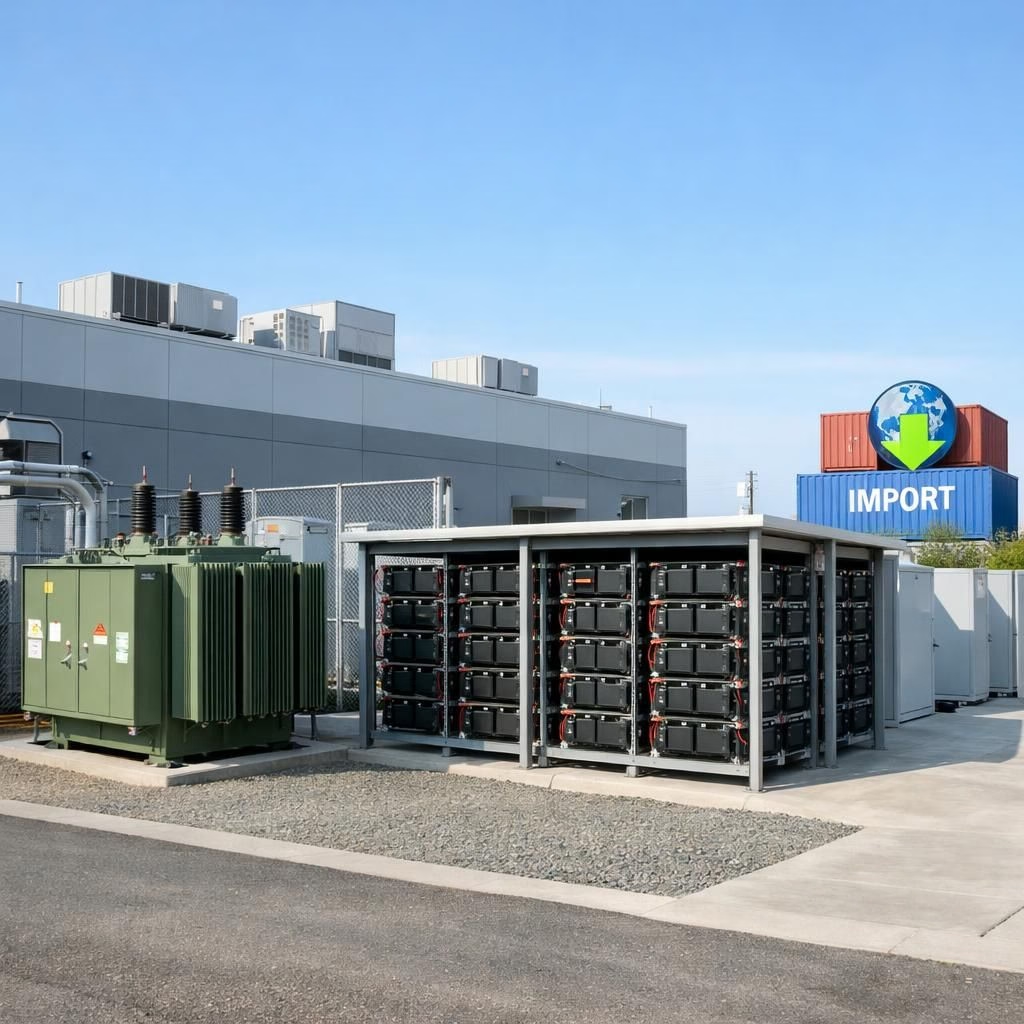
AI and ElectricalInfrastructure are colliding in 2026 as the United States leans into a data-center expansion fueled by bold bets and bigger batteries. The dream of rapid AI deployments runs into a stubborn trio of supply, timing, and logistics. This isn’t a blockbuster tech crash; it’s a reality check with a wink and a roadmap.
AI-led Growth vs ElectricalInfrastructure Limits
Despite record investments from Google’s parent, Amazon, Meta, and Microsoft, the bottleneck sits in power hardware. Transformers, switchgear, and batteries form the spine of a data center, and they aren’t as easy to source as chips. Analysts estimate that projects consuming up to 12 gigawatts of power exist on paper, yet only about one-third are under construction. Ambition outpaces execution, and the timeline feels like a game of Jenga.
AI momentum runs ahead of grid upgrades. The ElectricalInfrastructure limits test patience and pricing. The shortage isn’t purely technical. It’s a supply-chain puzzle with geopolitics sprinkled in. Domestic capacity remains tight, pushing many buyers to import. There’s not enough domestic capacity to go around, so people are pretty much forced to go to the export market. The import reliance underscores the broader ElectricalInfrastructure resilience challenge.
ElectricalInfrastructure remains a keyword in every boardroom and planning session. Overlapping demand is the culprit. Electrification goals—electric vehicles, heat pumps—compete for the same transformers and batteries that AI data centers crave. US manufacturers struggle to keep pace, and developers often pre-order far ahead of approvals or refurbish retired transformers from old facilities. The result is a supply chain that feels like a relay race where the baton keeps changing hands.
Data shows imports of major electrical equipment rose alongside AI expansion. The US International Trade Commission data aligns with the boom in projected data centers. Delivery timelines for high-capacity transformers have stretched from 24–30 months pre-2020 to as long as five years today. The reality is long lead times underscoring a strategic risk.
And yes, policy matters. Trump’s 2025 remarks about competitiveness hint at the stakes in global trade. A shift toward reshoring sounds good in theory, but in practice it’s a slow climb. Some experts argue that even small delays in securing components can stall an entire well or plant.
Practical Solutions for AI and ElectricalInfrastructure Alignment
So what helps? A mix of pragmatism, planning, and a dash of invention. First, diversify supply. Rely less on a single supplier, and build redundancy into project schedules. Second, speed the domestic capability race, not by brittle promises but by real incentives for local manufacture and assembly. Third, reuse where sensible. Refurbished transformers can buy critical months, even years, while new factories come online.
Crusoe’s leadership emphasizes domestic procurement and assembly to shield projects from disruption. The company’s approach shows that resilience comes from keeping more steps in-house where possible, without sacrificing compliance or safety.
It’s not just about gear. Batteries remain a choke point. Lithium-ion cells stay heavily imported from China, accounting for a large portion of supply. A more resilient plan combines domestic production with diversified sourcing and second-life energy storage strategies. In other words, the path to stability sits at the intersection of power hardware and smart energy planning.
ElectricalInfrastructure considerations keep popping up in strategy rooms. Industry players are already trying to move faster. GE Vernova and Siemens Energy are investing in capacity expansion, but the effects won’t be felt immediately. The message is clear: the solution is multi-year, multi-faceted, and requires coordination across sectors. The tension between AI growth and ElectricalInfrastructure capacity is a long game, not a sprint. Yet the potential payoff remains enormous if we align incentives, standards, and timelines.
What does this mean for the average data center project? It means longer schedules, yes, but also smarter design. Modular approaches can scale with demand, allowing networks to grow in layers rather than all at once. Companies can build in steps and avoid over-committing to parts that will arrive too late. It also means better forecasting and transparent communication with suppliers, so the construction calendar stays realistic and jobs stay on track.
In the bigger picture, this challenge is a call to modernize the U.S. industrial base. A robust domestic supply chain for power equipment—transformers, switchgear, and energy storage—reduces risk and boosts national resilience. It also invites new jobs in manufacturing, assembly, and maintenance. The AI boom can flourish if we pair it with a modern energy backbone. The two areas aren’t enemies; with the right policies, they can be allies that power innovation and security.
That said, the current moment is not all doom. It’s a reminder that technology and infrastructure share a single truth: hardware must be available when software asks for it. The market is adapting. Vendors announce pilot programs, refurbish assets, and adjust delivery expectations. Investors sharpen their risk models and push for more flexible contracts. The result is a more resilient ecosystem that can ride through supply shocks while still chasing AI milestones.
As we look ahead, optimism is warranted but earned. The data center crunch highlights a practical lesson: success comes from a blend of innovation, collaboration, and careful procurement. The AI revolution will still run, but it may do so with a sturdier ElectricalInfrastructure behind it. The future belongs to teams that coordinate design, manufacturing, and logistics as a single package rather than as separate streams.
Readers, your take matters. Do you see viable paths to strengthen AI capacity without wrecking the grid? Which part of ElectricalInfrastructure deserves the most attention in your view? Share your thoughts in the comments below.
Source attribution: Thank you to Bloomberg for the original reporting that inspired this piece. Original article: Bloomberg.