

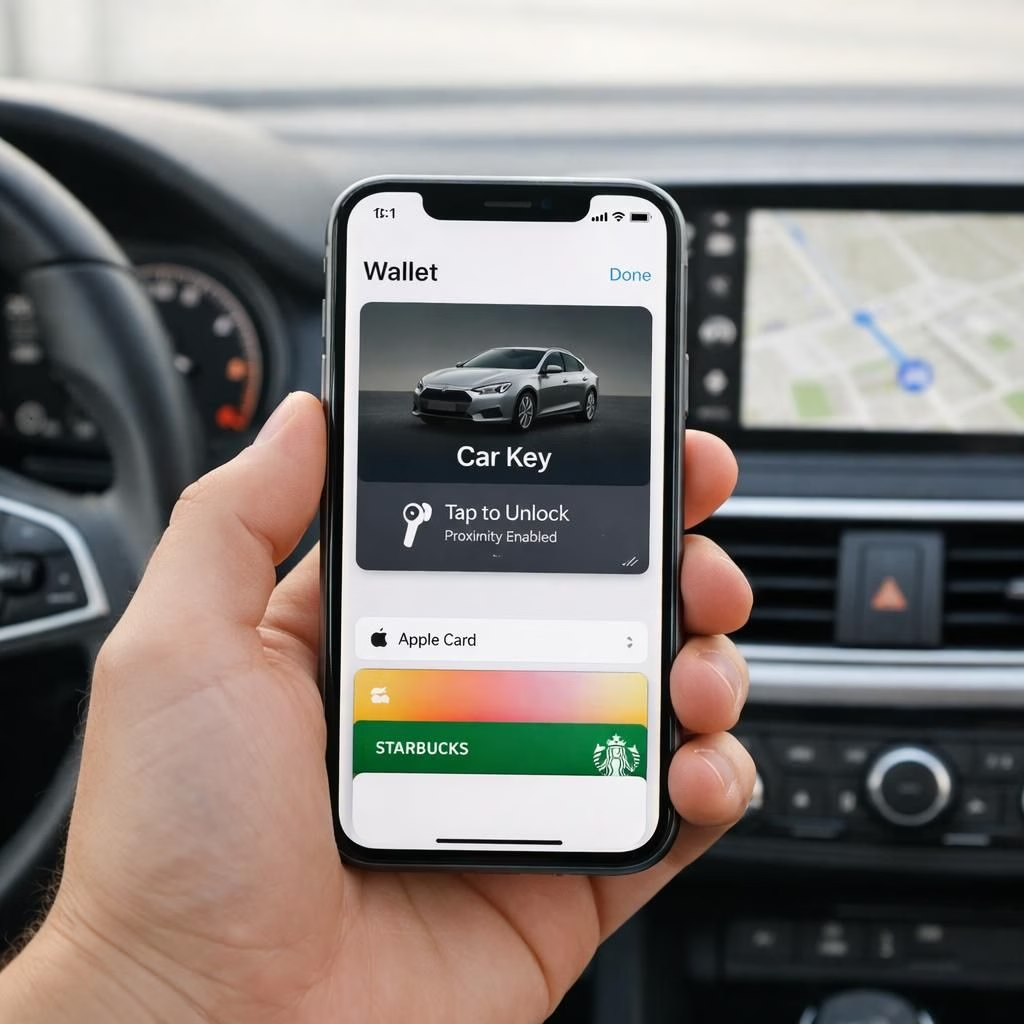
Apple Wallet is getting smarter, and Car Key is now part of the plan. This isn’t a gimmick; it’s a practical upgrade that makes the daily drive smoother. As Lexus and other brands roll out digital keys in 2026, the road to a lighter, frictionless commute begins with a tap on your iPhone or Apple Watch. Apple Wallet and Car Key are not just tech buzzwords; they are tools that fit into real life, one quick unlock at a time.
Apple Wallet Car Key Gains Momentum in 2026
In 2026, automakers see value in letting drivers unlock, start, and share vehicles via digital keys. The tech relies on NFC and secure elements to keep things safe. You don’t need a bulky fob; you need your phone nearby. For users, Apple Wallet Car Key offers a smoother workflow: open Wallet, tap, drive. For automakers, the system reduces hardware clutter and makes fleet updates easier. Lexus is stepping up, weaving Car Key into its newer models as either standard or optional. The result is a more seamless experience that blends with everyday devices rather than living in a drawer full of lost keys.
Security remains central. Each digital key is bound to your device and protected by strong encryption and a dedicated secure enclave. The experience feels simple, but the engineering behind the scenes is deliberate. Car Key in Apple Wallet is designed to work across compatible platforms while preserving user control. The approach is practical: fewer keys, faster access, consistent behavior across vehicles in a brand’s lineup. And yes, there’s a touch of consumer-friendly delight when you realize you can share a temporary digital key with a trusted ally without passing a physical fob back and forth.
Lexus Joins the Apple Wallet Car Key Revolution
Lexus joins the growing crowd of brands embracing Car Key in Apple Wallet. This partnership signals a broader trend: premium car makers recognizing the value of a frictionless, phone-first entry to vehicles. The Lexus approach aims to keep the user experience clean. A simple tap to unlock or start can become the new normal for many drivers. For owners, this means less rummaging for keys and more confidence in a consistent experience across models that support the feature.
Across the industry, discussions focus on interoperability. Car Key in Apple Wallet isn’t a one-brand gimmick; it’s a bridge that helps multiple automakers align on security standards, certification, and update processes. The net effect is a smoother handoff between devices and dashboards. Drivers gain reliability, and automakers gain a scalable way to deploy features across a growing lineup without duplicating hardware. All of this sits inside the friendly umbrella of Apple Wallet, which already acts as a hub for passes, boarding passes, and more. The Car Key layer simply extends that wallet’s utility to the car itself.
What This Means for Drivers, Dealers, and Developers
For drivers, the benefit is intuitive access and better edge-to-edge control. You can unlock and start a vehicle without fishing for keys, even in crowded spaces or during a quick drop-off. This reduces wear on traditional keys and adds a layer of convenience that feels modern without being flashy. Dealers gain a selling point: a connected, updatable experience that can be demonstrated in showroom demos and on test drives. For developers, the challenge is ensuring reliable, secure handoffs between Apple Wallet and vehicle systems, plus smooth over-the-air updates that keep Car Key credentials fresh and safe. The result is a future where a single device manages access to multiple cars in a brand’s family, without sacrificing privacy or security.
As more brands explore Car Key integration with Apple Wallet, the ecosystem grows more valuable for everyday use. The practical benefits—quick access, reduced risk of key loss, and streamlined sharing—start to feel like standard features rather than perks. And yes, there’s joy in knowing you can trust the system to work consistently, from the first cup of coffee to the last mile of your commute. The alignment of Apple Wallet with Car Key marks a calm, confident step toward a more connected driving experience, one tap at a time.
What This Means for the Future
The future looks like a world where digital keys are as commonplace as digital wallets for money and tickets. The Lexus example is a window into broader adoption that could include other luxury and mainstream brands in 2026 and beyond. Expect ongoing refinements around multi-device support, secure sharing, and issuer-specific features that balance convenience with robust security. The overall arc is clear: fewer physical keys, more reliable digital access, and a smarter interface that users already trust in everyday apps like Apple Wallet. For enthusiasts, the journey is as exciting as the destination, with each software update expanding possibilities while keeping the experience straightforward and safe.
If you’re curious about how this changes your daily routine, consider testing the flow: set up Apple Wallet Car Key on a compatible device, try a quick unlock, and compare the feel across different Lexus models or other brands that join the program. The less you fiddle with keys, the more you notice the little moments where digital convenience shines. And if you’re a developer or dealer, you’ll appreciate the design discipline that makes this approach scalable and future-ready.
In short, Apple Wallet and Car Key are turning the boring task of unlocking a car into a small, reliable ritual. The technology is there, the execution is thoughtful, and the user experience is steadily improving. Car Key in Apple Wallet isn’t just a feature; it’s a signal that the car of today wants to live in the same digital universe as your phone, your watch, and your favorite apps.
Would you try Apple Wallet Car Key in your daily drive? Share your thoughts in the comments below and tell us whether this changes how you view car access, sharing, and security.
Attribution and thanks: Special thanks to the original coverage from 9to5Mac, MacRumors, MacDailyNews, AppleMagazine, and TechRepublic for their thoughtful reporting. Learn more from the sources: 9to5Mac, MacRumors, MacDailyNews, AppleMagazine, TechRepublic.
References
- 9to5Mac original coverage
- MacRumors coverage
- MacDailyNews coverage
- AppleMagazine coverage
- TechRepublic coverage
- The Verge – Car Key coverage
- Apple Newsroom