

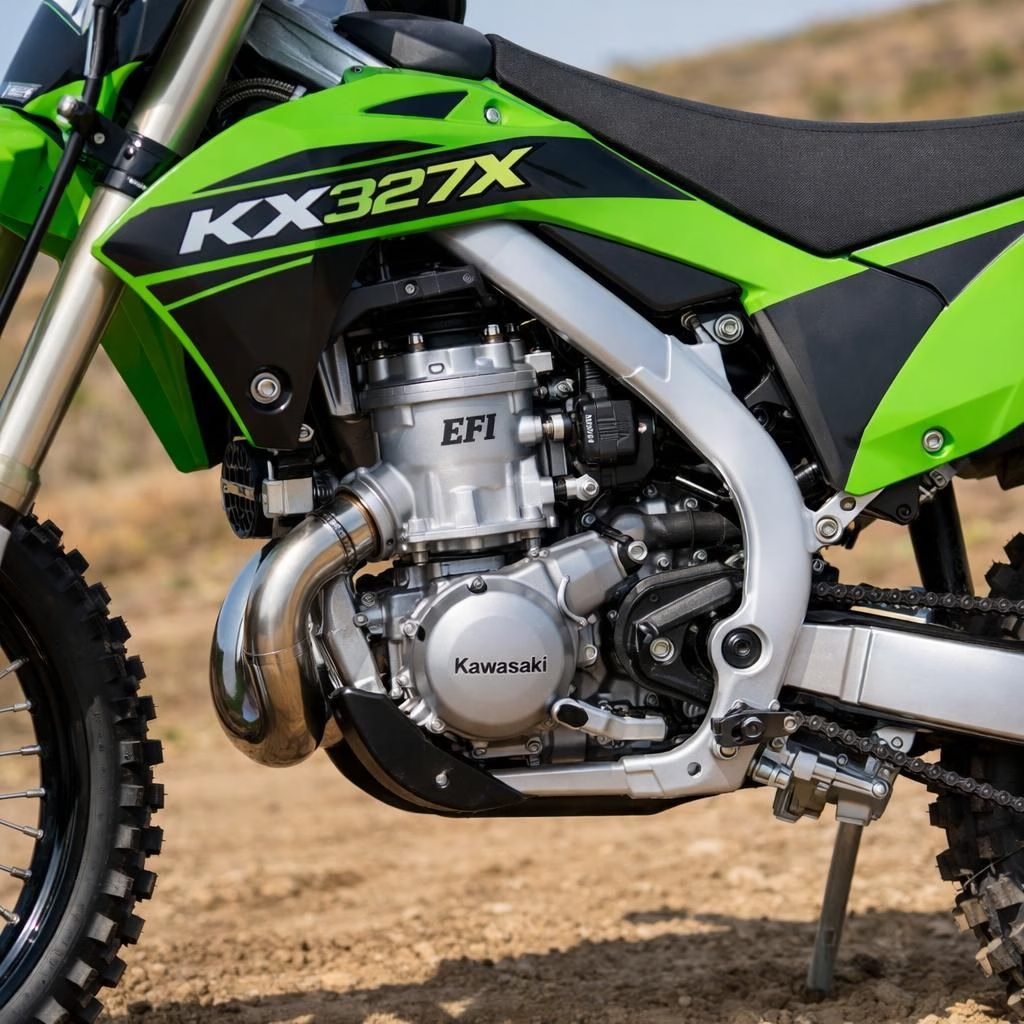
Kawasaki is back with a Two-Stroke revolution for 2027, and the Kawasaki KX327X EFI is their cheerful, subtly defiant reply to a market that sometimes forgets how much dirt bikes can spark joy. This isn’t nostalgia theater; it’s a practical package built to improve EFI mapping, weight balance, and predictable torque for rough off-road surfaces. The aim is for the Two-Stroke to coexist with four-strokes, not vanish behind glossy marketing. Fans and skeptics alike will watch for how the KX327X handles heat, fuel economy, and long climbs in real-world dirt.
Kawasaki Two-Stroke Tech Deep Dive
The KX327X EFI represents Kawasaki’s careful marriage of an old-school concept and modern engineering. At the heart is an EFI-fed Two-Stroke that aims to deliver immediate throttle response with a gentler intake bite, reducing wheel spin on tricky sandstone or gravel.
The engine remains compact, and the weight penalty of EFI is minimized via lighter components and a revised cradle. The result is a smoother, more predictable torque curve that helps riders find grip earlier in the corner. EFI maps are reportedly configurable for amateur weekend warriors and factory squads alike. That means more consistent laps and less guesswork at the track. Outlets such as Racer X, Ultimate Motorcycling, Motocross Action Magazine, MX Vice, and Vurbmoto say Kawasaki isn’t simply slapping an EFI sticker on a Two-Stroke; they’re integrating it into the core engine and exhaust geometry. The goal, editors note, is a modern Two-Stroke that can be tuned to conditions—from damp loam to dry clay—without sacrificing the aggro feel Two-Stroke fans crave. For 2026 riders, this upgrade feels like a thoughtful evolution rather than a marketing stunt; the KX327X aims to prove that EFI and Two-Stroke heritage can shake hands rather than glare at each other from a distance.
Kawasaki Two-Stroke on Real Trails
On the trail, the EFI-equipped Two-Stroke shows its promise. The throttle is precise, not abrupt, which helps when you’re negotiating tight switchbacks or choosing a line through a rut. Kawasaki’s attention to weight distribution—keeping the headstock light, the swingarm cooperative, and the chassis balanced—keeps the bike nimble without sacrificing stability. The Two-Stroke’s lighter feel pays dividends during mid-corner transitions, while the updated power valve timing keeps the motor breathing well as revs climb. In long climbs, the engine stays tractable, and you can maintain momentum without a frantic playlist of revs. Journalists from Motocross Action Magazine and MX Vice note similar takeaways, while Vurbmoto highlights the KX327X’s refined cylinder head and intake tract as a clear signal that Kawasaki is listening to feedback from racers and weekend riders alike. The overarching message from 2027 model coverage is that this is not a one-off experiment; it’s a deliberate push to keep Two-Stroke excitement alive in a sport increasingly dominated by four-strokes. In short, the Kawasaki Two-Stroke package feels genuine, and that matters when you’re lining up behind the gate with a bag of rain-ready maps and a stubborn smile.
Practical takeaways for riders
- EFI brings smoother power across a wider rpm range for the Two-Stroke engine, reducing surprises on steep climbs.
- Weight savings and balanced geometry help the bike feel lighter when changing lines mid-corner, especially for the Two-Stroke package.
- Maintenance stays straightforward, with easier fuel-map adjustments and fewer carburetor quirks for the Two-Stroke.
- The engine breathes easier in dusty conditions, which means less heat and more ride time for the Two-Stroke.
Looking toward 2026 and beyond, the Kawasaki approach stacks up against rivals by combining EFI with lighter components and smart exhaust design. The Two-Stroke remains lively, but the modern trimming yields rideability that newcomers can appreciate and veterans celebrate. The collaboration among outlets like Racer X and MX Vice shows a consistent story: Kawasaki is not chasing a trend, it’s shaping one within the Two-Stroke ecosystem. The KX327X and similar models stand out as a thoughtful integration of EFI into a classic formula. This makes maintenance easier for some and a little more involved for others, but the end result remains a bike that invites you to ride rather than wrestle with it. Community members from Vurbmoto and others weigh in with real-world testing, confirming that the KX327X’s updates aren’t cosmetic; they’re functional improvements that matter in the dirt. And if you’re curious about how this translates to race readiness, the answer is that it nudges the market toward more predictable performance without taking away the wild, unpredictable joy that Two-Stroke powerbands deliver.
For riders and teams, this means easier setup, more consistent performance in varying weather, and the confidence to push a Two-Stroke where EFI rules the day. The overall message from Kawasaki is clear: keep the spirit of the Two-Stroke alive, but let EFI do the heavy lifting where it helps most. The result is a machine that respects both tradition and technology, a rare combination that makes the sport more approachable without dulling the edge. In practice, this translates to faster setup on race mornings, more forgiving cold starts, and the type of mid-race adjustments that don’t derail a ride. It’s not magic; it’s engineering that listens to riders and engineers alike, with the KX327X serving as a tangible example of how a company can honor history while sprinting toward a smarter future.
Original article: Original article with thanks.
Thanks to Racer X, Ultimate Motorcycling, Motocross Action Magazine, MX Vice, and Vurbmoto for the foundational coverage that inspired this remix of the KX327X story.
If you enjoyed this look at Kawasaki’s Two-Stroke approach for 2027 and beyond, share your thoughts in the comments below and keep the conversation rolling. For full context, see the original article linked above.