

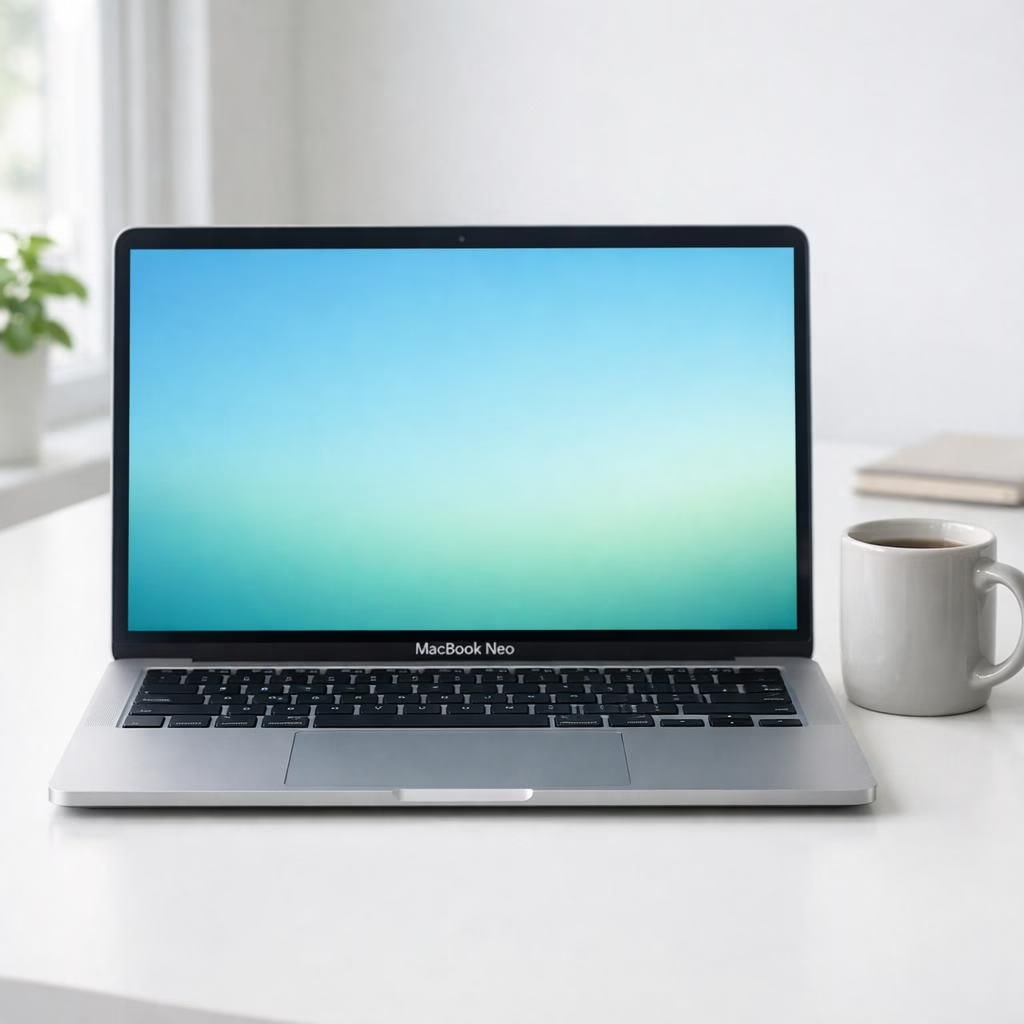
In 2026, the MacBook Neo has moved from quirky sidekick to everyday workhorse. Security 2026 principles sit behind the scenes, shaping privacy and firmware in quiet, useful ways. The device aims to be practical rather than flashy, and early numbers back that up. Buyers praise its balance of weight, screen quality, and battery life. The story is simple: the Neo meets real needs, without drama.
MacBook Neo nails the 2026 balance
Design matters to a new generation. The Neo offers a slim, sturdy body and a keyboard that invites long sessions. It trades some raw horsepower for reliability and efficiency. In daily use, it handles code, documents, and video meetings with ease. The ecosystem feel is strong, with smooth transitions to an iPad or iPhone. People notice when a laptop becomes a partner rather than a hurdle. Across classrooms, coffee shops, and home offices, the Neo quietly earns trust through consistent performance and thoughtful touches.
Security 2026: Privacy, updates, and peace of mind
Security 2026 is more than a slogan. Default encryption is strong, and updates install quietly and quickly. The system nudges users toward safe habits without nagging. Apps request permissions in a straightforward way, and risk is minimized. Boots stay fast, and the background stays light. The Neo also reduces bloatware via sensible defaults and coherent software curation. The result is a laptop that feels responsible and calm, even on a busy day.
Beyond the obvious protections, the software stack encourages good security hygiene. Regular, unobtrusive updates ensure firmware and drivers stay compatible with new peripherals. The designers recognize a happy device is a safe device, and the outcome is a product that avoids drama during important moments—presentations, deadlines, and long video conferences with minimal hiccups.
MacBook Neo Keeps Pacing: Battery life and real-world scenarios
Battery life matters in real life. The Neo runs a full workday and still has reserve during long trips. You won’t constantly chase a plug. It handles documents, browsing, and streaming with a steady pace. Creative moments—light editing or music—play nicely without overheating the chassis. The software is lean, the display bright but power-efficient, and thermals stay respectful. For many buyers, this is the upgrade they wanted: portability without compromising reliability.
Competition in 2026 is loud. Some rivals chase thinner frames or sharper chips, while others promise speed at any cost. The Neo answers with a balanced mix of speed, quiet operation, and a simple, approachable user experience. The keyboard feels confident, the trackpad precise, and the overall flow is intuitive for students, freelancers, and professionals alike. The price looks fair for the value on offer, especially when you factor in long-term software support and dependable maintenance. In other words, the Neo earns trust the way a good cup of coffee earns a smile.
Market context matters. Tech outlets note healthy demand in the debut quarter, while buyers describe a practical appeal that fits their routines. The Neo seems to attract a new generation of buyers who value thoughtful design and dependable performance. It isn’t a one-off novelty; it’s a repeatable choice you can rely on through a semester, a project, or a startup sprint. With the Neo, you often feel like you’re choosing consistency over spectacle—and that can be exactly what you need.
As for the broader landscape, 2026 shows strong competition. Yet the MacBook Neo frequently wins in daily life, where it counts most. It aligns with priorities like portability, battery life, and sensible security baselines. It isn’t the flashiest gadget on the shelf, but it is the steady friend you keep on your desk and in your bag.
To conclude, if you’re evaluating a MacBook today, the Neo deserves a thoughtful look. It avoids pretension in favor of reliability, balance, and a user experience that respects your time. It’s a practical upgrade you can feel from day one, not a risky leap you regret later. And if you already own one, your experiences can help others decide what matters most in 2026 and beyond.
Original reporting and heartfelt thanks to TechCrunch for highlighting the Neo’s market reception. Their material provides a valuable lens for understanding current trends, and this rewrite aims to offer a fresh perspective while staying true to the core facts. For a broader view, you can also explore insights from WIRED, Mashable, 9to5Mac, and MacRumors to round out the picture of 2026 laptop culture.
Original source: TechCrunch. Thank you for the inspiration and the solid reporting that helped shape this post.
Now it’s your turn: tell us what you think about the MacBook Neo and Security 2026 in the comments below. Your perspective helps others make smarter choices in 2026 and beyond.
FAQ
- Q: How does the MacBook Neo compare to the Air or Pro models in everyday use?
- A: It prioritizes balance and reliability, offering solid battery life and a smooth software experience for most daily tasks.
- Q: Is Security 2026 a hard requirement for buyers?
- A: It signals a security-first approach that complements typical safe-practice behavior.
- Q: Can I upgrade storage or memory after purchase?
- A: Memory and storage options depend on configuration; check Apple’s official specs for upgrade paths.
- Q: What about updates and long-term support?
- A: Expect regular firmware and system updates designed to maintain compatibility and security over years.
Takeaway and next steps
For readers prioritizing a steady, dependable macOS experience, the Neo checks many boxes without drama. If portability, reliable battery life, and thoughtful security matter most, this model is worth a hands-on test. To decide, visit a store to try the keyboard feel, screen brightness, and thermals for yourself.
References
- Original TechCrunch article
- WIRED coverage on 2026 MacBooks
- The Verge MacBook coverage
- 9to5Mac coverage