

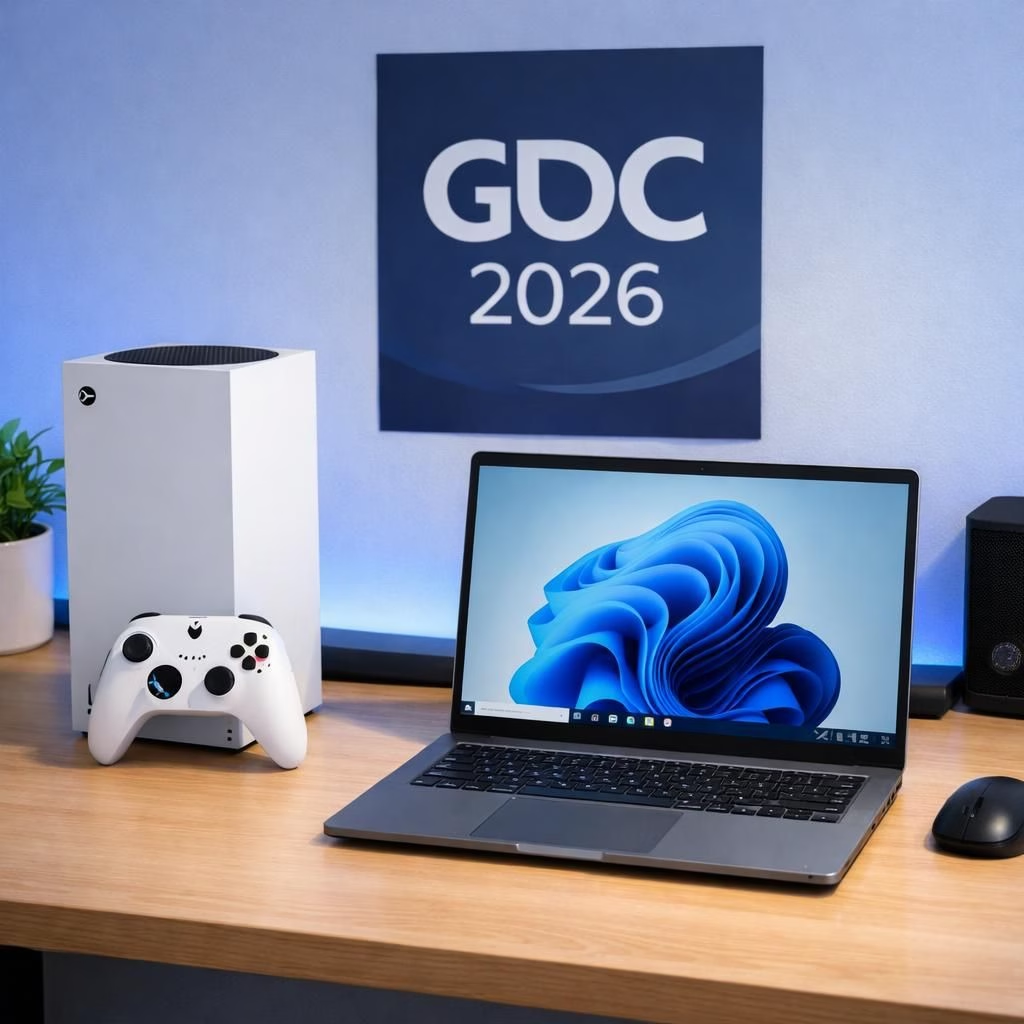
Xbox and GDC 2026 signals converge around a shared love letter to performance, uniting Windows and the console. In this grounded, practical look, we celebrate the convergence, share a few jokes, and still deliver concrete details about how the two ecosystems align for the next generation.
Xbox at GDC 2026: Windows and Console Unite
At the heart of the chatter is a simple, bold idea: the living room and the living desktop deserve one shared playground. Microsoft frames this future around Project Helix, a design philosophy that promises unified APIs, shared tooling, and a common runtime that runs on both PC and Xbox hardware. The practical upshot is less time wasted switching between development environments and more time shipping games that feel native wherever players choose to play. This isn’t just buzz; it’s a firm commitment to fewer handoffs and fewer excuses.
During the GDC 2026 sessions, engineers and product leads framed Helix as more than a marketing slogan. They described how the same shader models, asset pipelines, and debugging tools would operate across Windows and Xbox hardware. The intent is to reduce the “friction tax” developers face, the extra work that adds up when teams port across silicon generations. In plain terms, Xbox and Windows developers will share a more predictable target and a smoother upgrade path. That alone is a win for studios aiming to ship quickly without sacrificing quality.
The broader takeaway is a future where the line between PC and console grows blurrier in the best sense: players can experience the game the way they want, and developers feel the same efficiency wherever their code runs. The GDC 2026 discussions emphasized feature parity not as a wish but as a design constraint baked into the toolkit. If Helix lands as described, expect fewer last-minute adjustments and more consistent performance across launches. That’s not hype; it’s a workflow improvement that benefits the entire ecosystem.
Xbox Strategy for 2027: Alpha Access and Developer Feedback
The roadmap detail that matters most is the plan to deliver alpha versions to developers in 2027. That timeline signals real hands-on testing after the reveal, with studios getting early iterations to stress-test integration points between Windows, the console stack, and the evolving dev tools. It’s a pragmatic bet: you want real feedback from reality rather than theoretical promises. Expect early access to focus on core systems—rendering, input, storage, and diagnostics—so teams can validate cross-platform behavior long before a public release window.
One recurring thread at the talks was the effort to preserve performance while simplifying the dev experience. The idea is that Helix will offer a single set of performance budgets, a shared asset format, and a streamlined debugging surface that helps pinpoint regressions across both ecosystems. The hope is that a title built for Windows can scale to Xbox hardware without complicated rewrites, while console-specific optimizations remain welcome where they deliver meaningful gains. The net effect is a smoother path from prototype to product, with less guesswork about what works where.
From a hardware standpoint, the reports focused on interfaces and integration points rather than a radical new console design. The emphasis was on making the existing generation more capable through software cohesion. Expect better cross-platform streaming, more consistent frame pacing, and improved developer tooling for profiling and optimization. The long-term payoff is a robust ecosystem where publishers can plan with more confidence, knowing the same code path will behave well on PC and on the living-room machine alike. This is practical alignment that can translate into steadier launch calendars and happier players.
GDC 2026 Signals Helix: Practical Steps Toward a Shared Future
As the conversations progressed, the emphasis on alpha access and developer feedback loops grew clearer. By inviting developers into a real testing phase in 2027, the strategy shifts from marketing promises to measurable progress. The console’s next generation will not be a single device; it will be a continuum that respects the lessons learned in PC gaming, streaming, and console lifecycles. The GDC 2026 coverage painted a thoughtful portrait: a diverse toolbox that embraces interoperability while preserving the distinct strengths of each platform.
The practical impact for players is incremental but meaningful. If Helix succeeds, we could see shorter wait times for porting smaller indie hits, more reliable cross-platform saves, and fewer platform-specific quirks at launch. For developers, the promise is reduced duplication of effort and more consistent performance targets. For enthusiasts, it’s a narrative of anticipation rather than hype—an update that reads like a plan and not a hallway whisper.
If you’re curious about the specifics, the discussions didn’t pretend every answer would be perfect on day one. The spirit is iterative improvement: build, test with real studios, refine, and scale. The result could be a truly cohesive ecosystem where the same engine, the same toolchain, and the same quality standards propel games forward, whether played on a keyboard, a controller, or a couch-friendly streaming setup.
In short, the Xbox and Windows convergence pictured at GDC 2026 is not a forced merger, but a rethinking of how games are built and delivered. It blends optimism with pragmatism: a roadmap that prioritizes developer experience, performance transparency, and a smoother journey from concept to release. If the alpha windows open as planned in 2027, we’ll have real-world validation by the time the next major titles begin shaping up for the holidays — a climate where Xbox and Windows enthusiasts alike can feel confident in the next-gen experience.
Original article: Digital Foundry – Xbox at GDC 2026. Thank you to the original sources for material that inspired this rewrite.
We invite you to share your thoughts in the comments below.
For official statements and ongoing updates, see Xbox News and the broader coverage at IGN.
References
Original article: Digital Foundry – Xbox at GDC 2026.
External sources: Xbox News, IGN Coverage, Digital Foundry.