

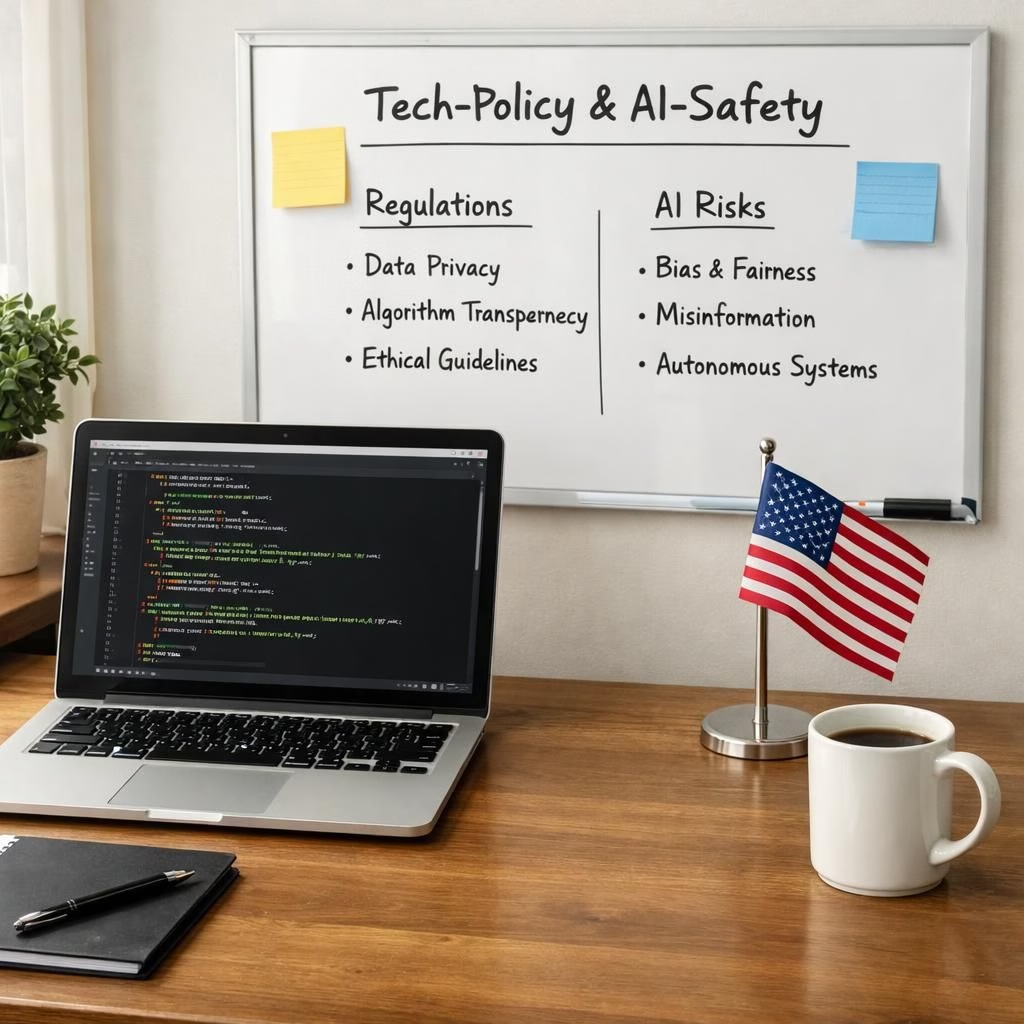
In 2026, tech-policy and AI-safety concerns collide as policy debates reshape Silicon Valley’s stance toward Washington. The Trump-era truce feels more like a bookmark than a treaty, with donations to inaugurations and CEOs visiting Mar-a-Lago signaling a tilt. A Financial Times report signals the truce is thinning, as tariffs tighten supply chains, visa rules become a maze, and chip-export rules flip-flop, centered on the Pentagon’s Anthropic designation.
This tech-policy moment tests patience and budget planning across firms large and small.
tech-policy in 2026: Cracks, tariffs, and tech optimism
Tariffs return to the stage and the supply chain drama is no longer a friendly subplot. Some pundits call it a frictionless transition; others call it a chaotic remix. The result is that companies adjust—lobbying, publishing white papers, and pivoting product plans to survive the next policy twist. tech-policy insight often points to collaboration as a cure, not a weapon, if we want real progress.
Visa rules feel like a scavenger hunt. Engineers chase letters of invitation across immigration forms. The arc of a visa can determine the arc of a product. This is not a headline so much as a daily chore for global teams. The policy landscape keeps workers in transit and ideas on pause, which is a reminder that people power is the real productivity engine here.
Chip-export rules flip-flop with the seasonal swagger of a confused DJ. One week a country allows a chip to exit the kit; the next week it adds a bureaucratic lyric to the release. The tech sector watches, adapts, and sometimes sighs loudly at the latest red tape dessert served up by policy labs. The industry hopes for a policy tempo that matches innovation tempo, not a drumbeat of delays.
The Anthropic decision dominates conversations in boardrooms and coffee shops alike. The designation described as a supply chain risk sits oddly with the company’s stance on military access. Rival labs speak up; the policy waltz continues, but the dance floors feel a bit more crowded and noisy. This is a reminder that clear, balanced rules are needed for AI safety.
tech-policy is a living dialogue, and the field benefits from steady hands and smart compromise. The path forward will involve better coordination between researchers, policymakers, and industry leaders who respect both innovation and security. When voices from boards, labs, and government align, tech-policy can become a tool rather than a hurdle. This perspective helps explain why tech-policy discussions matter to engineers, investors, and everyday users alike.
AI-safety in focus: Boardrooms, briefs, and courtroom hints
Within Silicon Valley the reaction is swift and sharp. Dean Ball, a former Trump official who helped craft the AI Action Plan, calls the move dangerous. He says it is the most damaging policy move he has seen. The response is not only vocal; it is coordinated. Apple, Google, Meta, and Microsoft join in condemnation. Microsoft writes to the president urging reversal. OpenAI expresses support for Anthropic, saying the designation is not warranted. Trade groups representing Apple, Meta, OpenAI, Amazon and Google sign briefs urging the courts to side with Anthropic. Alec Stapp of the Institute for Progress notes that a line must be drawn to prevent a broader chill across the tech sector. The lobbying and think-tank chorus grows louder as the coalition expands.
AI-safety takes a practical turn as a shared challenge. The industry frames AI-safety as a need for guardrails and collaboration rather than a personal vendetta. The pushback touches venture capital rooms, academic halls, and government hearing rooms. The result could be a smarter, safer policy framework that still rewards risk-taking and innovation. The tone shifts from protest to policy design, with accountability and transparency as core values.
From court filings to corporate blogs, the message is clear: smart policy helps AI-safety. The industry seeks rules that are precise, enforceable, and time-limited. If policymakers rely on broad labels like supply chain risk, the tech ecosystem risks chilling investment and delaying practical solutions. The drive toward measured risk management becomes the real AI-safety playbook in 2026. This is not a scare story but a call for constructive, clear regulation that protects users and investors alike.
The calls for reform come with a wink and a plan. AI-safety remains central to policy design, the safety net we all want beneath a growing digital skyline. Tech companies propose transparent data practices, robust audit trails, and clear red lines for surveillance and autonomous weapons. The goal is to align national security with vibrant innovation, not scorch the field. The mood is hopeful, even if the path remains bumpy and loud.
The tech-policy tug of war remains a factor shaping every product roadmap. Please share your thoughts in the comments below. Thanks to The Financial Times for the original reporting. You can read the original article here: FT original coverage.
Practical steps for teams:
- Map regulatory risk by jurisdiction and product line to anticipate policy shifts.
- Build modular, compliant architectures that can adapt to changing export controls and visa regimes.
- Publish clear guardrails for data handling and surveillance to satisfy AI-safety-related concerns while preserving innovation.
tech-policy: practical steps for teams
Adopt a cross-functional policy desk that includes engineers, lawyers, and product leaders. Maintain a living risk register, and rehearse scenarios where policy shifts affect timelines or budgets. That approach makes it easier to stay productive even when policy tempo lags behind technical progress.
AI-safety in context: what readers want to know
Readers frequently ask how to balance speed with safeguards. The answer lies in transparent governance, independent audits, and time-limited rules that can be updated as AI-safety practices evolve. For policymakers, the goal is clear accountability without stifling experimentation.