

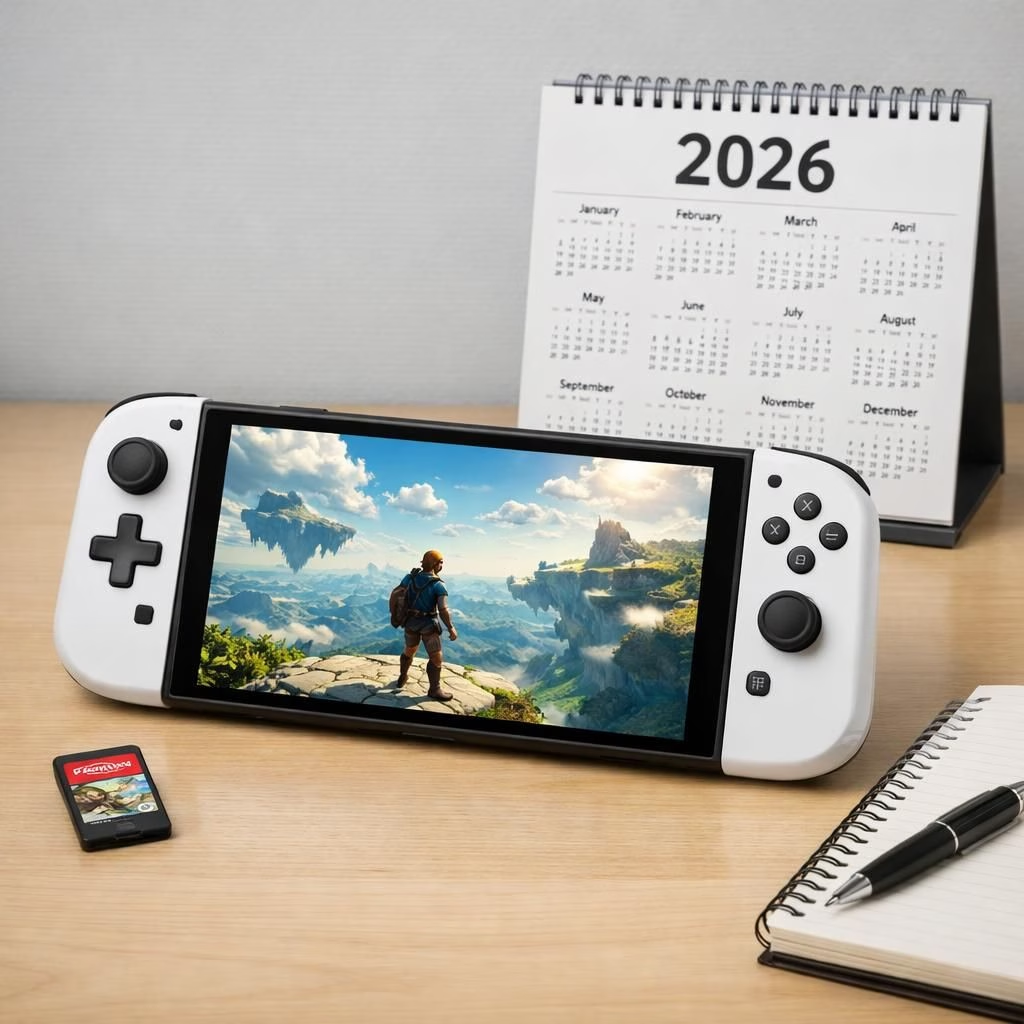
Switch 2 fans finally get a friendly nudge in the right direction. The chatter centers on Backwards compatibility, as several titles receive fixes that smooth handheld and docked experiences. In 2026, players report fewer hiccups when patches land and more consistent frame pacing during transitions between modes. This little renaissance for Switch 2 is about making the catalog feel cohesive across hardware generations.
Switch 2 Updates Drive Real-World Improvements
Across the industry, coverage from Nintendo Life and friends shows these fixes touch a mixed bag of games. Some titles see improved handheld performance, while others gain smoother transitions in docked mode. The point isn’t to pretend every cartridge becomes perfect, but to acknowledge real, measurable improvements. These Switch 2 updates earn trust as outlets note the same trend: improvements hide in plain sight.
Publishers and patch teams have started sharing more transparent patch notes that spell out changes for Backwards compatibility specifics.
From a technical angle, the updates typically refine the compatibility layer, adjust memory bandwidth, and optimize input latency for classic titles ported to Switch 2. The aim is better support for old software while preserving new features. For Switch 2, the updates help narrow the gap between generations while keeping the charm of earlier experiences.
Why Backwards compatibility Matters for Switch 2 in 2026
Game-by-game notes show a practical mix of successes and stubborn edge cases. A handful of evergreen Nintendo favorites run with fewer frame drops and fewer hiccups, while some niche titles still require hotfixes. In each case, the pattern is clear: the Switch 2 architecture benefits from targeted patches rather than sweeping, one-size-fits-all updates. This pragmatic approach keeps the library usable, even as new releases arrive and as developers tinker with emulation layers and library calls.
- Handheld frame pacing improves on many titles.
- Docked transitions become smoother with fewer stutters.
- Texture streaming is steadier during quick title swaps.
- Retro titles see shorter loading times and fewer glitches.
- Patch notes are more transparent, helping players decide when to update.
For players, clear patch notes help plan updates around Backwards compatibility considerations.
In practice, players notice the most tangible gains on games that relied on older hardware assumptions. The fixes reduce notable lag in handheld mode, improve quick resume behavior, and smooth texture streaming as you hop between titles on the same device. They help preserve the feel of retro titles when they appear on the newer system.
In practice, players notice the most tangible gains on games that relied on older hardware assumptions. The patches roll out steadily, and the community tests new builds with a sense of routine rather than drama. The cadence helps studios allocate resources and keeps players optimistic about the next round of updates.
Looking ahead, Patch cadence through 2026 promises broader compatibility across a wider range of games, with ongoing user feedback guiding refinements. The goal is a library where new releases shine and older favorites still feel at home on the upgraded hardware.
Original source & thanks: Special thanks to Nintendo Life for the original reporting. Original article: Multiple Switch Games Receive Switch 2 Compatibility Fixes. Thank you for the original reporting and the helpful context from the primary source.
If you enjoyed this rewrite and analysis, feel free to share your thoughts in the comments.
Practical testing steps for Switch 2 compatibility
- Assemble a small library that includes a mix of handheld- and dock-focused titles from different eras.
- Test each game in handheld mode, noting frame pacing, input latency, and loading behavior.
- Switch to docked mode and compare transitions, audio, and texture streaming.
- Apply patches or firmware updates, then re-test a representative subset to confirm improvements.
Frequently Asked Questions
- What is Switch 2 Backwards compatibility? The term here refers to how well older games run on the new hardware. Updates focus on broad compatibility without sacrificing new capabilities.
- Will every game benefit from these patches? Improvements vary by title and how each game uses system resources. Some see smoother performance, others may need targeted fixes.
- How can I test compatibility at home? Build a small test suite of games from different generations and compare handheld vs. docked experiences after each patch or firmware update.
- When will more titles receive fixes? Patch cadence is ongoing, with developers and publishers refining the emulation layer and libraries over time.
Original source & thanks: Special thanks to Nintendo Life for the original reporting. Original article: Multiple Switch Games Receive Switch 2 Compatibility Fixes. Thank you for the original reporting and the helpful context from the primary source.
If you enjoyed this rewrite and analysis, feel free to share your thoughts in the comments.