

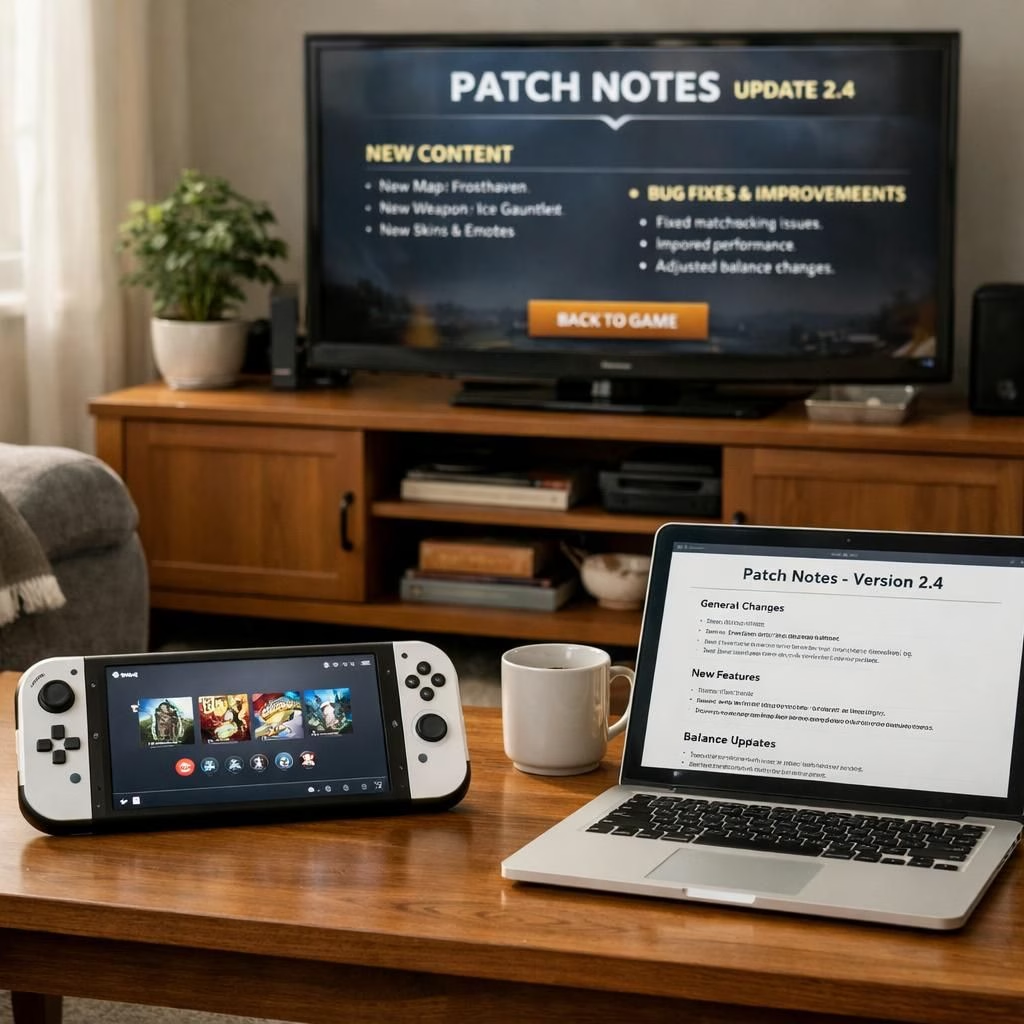
Switch owners deserve patches that respect the classics, and this update delivers. The Switch 2 era centers on Backwards Compatibility as a core goal. This is more than nostalgia; it’s a sober commitment to cross‑generational play.
Switch and Backwards Compatibility: Patch wave explained
First, the patch itself is a mix of small fixes and bigger plumbing jobs. Engineers tune how games map old code to new hardware, like translating a vintage recipe for a modern oven.
In practice, this patch wave strengthens Backwards Compatibility across generations. It’s not about a single title; it’s about the broader library on Switch 2.
Some patches adjust graphics flags so a 2010 title no longer stumbles on widescreen modes. Others improve save compatibility, so you don’t lose progress when you switch consoles.
A few tweaks optimize input lag, reducing the suspicion of phantom button presses. In practice, you’ll notice fewer black screens and smoother transitions.
The overall effect is a friendlier bridge between generations and Backwards Compatibility reliability.
Switch and Backwards Compatibility: Real-world impact for players
For players, the biggest win is access. Players can revisit classics without hunting for community patches or workarounds.
Now a game that loaded with glitches may boot cleanly after the update. Indie titles with quirky control schemes feel more stable.
Backwards Compatibility helps older indies gain a second life. If you keep a diversified library, the patch feels like a library card with a few upgrades.
The practical effect is a broader, more forgiving catalog.
Of course, not every title will dance to the new rhythm. Some stubborn titles need more time or a different compatibility layer. The team is transparent about ongoing improvements and upcoming patches. We can expect iterative updates, not a single miracle. Meanwhile, the library continues to grow as new reports arrive. That means occasional patience but solid momentum. For now, the platform feels more inviting to old friends.
To maximize benefits, start with the newest firmware. Connect to the internet to fetch patch notes and verify installation. Reboot after updates and test a few familiar titles. If you see odd behavior, report it with system diagnostics. Some users benefit from removing and reinstalling troublesome games. Keep an eye on the official patch bulletins for future fixes. Patience with a patch is often rewarded with smoother play.
External storage and memory speeds can influence results. RAM and microSD performance subtly affect how textures load and how long you wait for a splash screen. If your library leans toward retro titles, you’ll likely notice visible improvements in loading and color stability. For newer games, the gains may be modest but still tangible. Developers have learned to use the system’s expanded memory bandwidth more efficiently, which helps older code align with modern expectations. Patch notes emphasize reproducibility, so players can validate fixes with repeatable tests.
In short, Backwards Compatibility improvements across the library are welcome.
This effort matters for archival gaming culture. It helps consoles remain a living museum, not a dusty cabinet. Patches act like maintenance crews that keep a vintage engine purring. By smoothing interoperability, the Switch 2 keeps a wide catalog accessible to tomorrow’s players and today’s curious newcomers. The trend also nudges indie developers to check compatibility across generations. In practice, it creates a healthier ecosystem where preservation and play coexist, at least for a while.
Looking ahead technically, you’ll see terms like emulation layer, shader patch, upscaling, and memory mapping described in patch notes. These aren’t mere buzzwords; they’re the scaffolding that makes an old title feel at home on a new machine. The patches can adjust how textures are cached, how input loops are sampled, and how audio streams remain synchronized with visuals. The result is not a miracle, but a measurable improvement that adds up across many titles. The team has signaled ongoing refinements and welcomes player feedback as part of the process.
If you have tested these patches, your experience can help others. Share specifics about titles, performance, and any quirks you encountered. We value stories from explorers who link Switch hardware and old cartridges. Your feedback helps chart future patches and guides community workarounds. So, join the conversation in the comments and keep the momentum going.
Original article and thanks: A heartfelt thank you to Nintendo Everything for the original coverage of this topic: Nintendo Everything.
Practical steps for Switch owners
- Update to the latest firmware version available for your Switch 2.
- Connect the console to the internet to fetch patch notes and confirm installation success.
- Reboot after updates and test a few familiar titles to sanity-check performance.
- If you notice odd behavior, run diagnostics and report findings through official channels.
- Back up saves before testing patches on titles you value most.
FAQ for Switch users and Backwards Compatibility
- What is Backwards Compatibility on Switch 2? It covers how older titles run on the new hardware and what patches aim to improve.
- Will all games benefit immediately? Not all titles respond the same; some show bigger gains than others, while a few may need additional tweaks.
- Where can I find official patch notes? Check the Nintendo patch bulletins and the Nintendo Everything reference above.
- How can I help test patches? Share title-specific observations in the comments or official forums to guide future updates.
Conclusion
The Switch 2 patch wave demonstrates a thoughtful approach to preservation and play. For fans, it means a broader, more welcoming library and fewer frictions in common titles. If you want to get the most from your collection, install updates promptly and share your experiences with the community.