

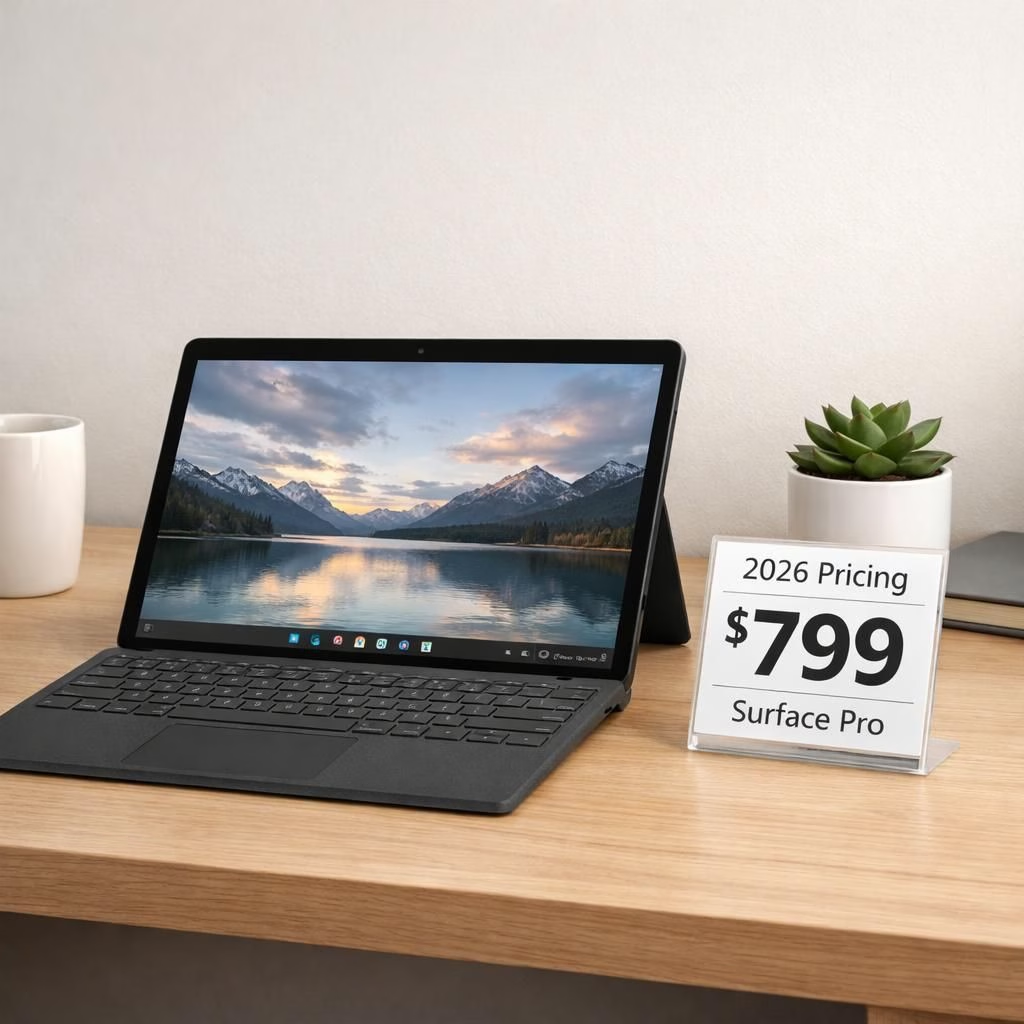
In 2026, Surface Pricing changes take center stage as memory and component costs rise, nudging prices across Microsoft’s lineup. Microsoft confirmed updates to the current-generation hardware, with the flagship Surface Pro 13-inch moving from $999 to $1,499. The smaller Surface Pro 12-inch climbs from $799 to $1,049. The Surface Laptop family follows a similar arc, with the 13-inch from $899 to $1,199, the 13.8-inch from $999 to $1,199 and then to $1,499, and the 15-inch model rising from $1,299 to $1,599. These hikes come as memory, storage, and other components become pricier. A Microsoft spokesperson said price updates reflect higher costs, while the company promises value and continued innovation.
Surface Pricing in 2026: Trends and Takeaways
Let’s unpack what those numbers actually mean for day-to-day usage. The Surface Pro 13-inch jump to $1,499 signals a shift from premium feature parity to premium Pricing parity. It’s the kind of move that makes a designer’s eyebrow arch while a software engineer mutters about benchmarks and batteries. In practical terms, the Pro 13-inch now sits at a level where power users and business buyers weigh the benefits of longevity against the sticker shock. The Pro 12-inch’s leap to $1,049—after a year that began with a newer-ish form factor—illustrates a Pricing trend: smaller devices aren’t spared if components rise, and portability costs more than a passing note in the quarterly deck. Microsoft’s messaging stresses value and innovation, which is the kind of reassurance that buys a few extra hours of sleep for procurement teams.
The Surface Laptop 13-inch, 13.8-inch, and 15-inch series each follow a similar rhythm. The 13-inch lands at $1,199, the 13.8-inch hits $1,499, and the 15-inch sees $1,599. If you’re replacing a two- or three-year device cycle, you’re looking at revised total cost of ownership and a stronger case for extended warranties or bundled services. The price ladder isn’t just about sticker shock; it’s a signal that the hardware, memory, and graphics ecosystems have become tightly coupled with ongoing performance expectations. The takeaway: plan for a longer horizon when budgeting for a Surface upgrade, and consider tying purchase decisions to bundles that include services you’ll actually use.
Around the broader market, Samsung has echoed similar moves. Galaxy Z Flip 7, S25 FE, and other devices moved price bands in the US, with storage tiers and midrange models not immune to price recalibrations. The pricing stories from Surface and Samsung share a familiar arc: demand remains steady enough to justify higher costs, but buyers respond with careful consideration of storage, longevity, and ecosystem benefits. For buyers, the message is to weigh value beyond the initial device price—battery life, repairability, and software updates matter more than ever when the price tag climbs. This isn’t a cliff, but a gentle slope into the 2026 tech landscape where reliability and long-term support can influence the final decision more than a single year’s headline Pricing.
Surface Pricing Impacts for Buyers and Partners
For enterprise buyers, the updated numbers ripple through budgeting, capex approvals, and depreciation schedules. Finance teams will want to stress test scenarios: do you opt for a larger upfront purchase to lock in today’s price, or do you pace purchases and rely on potential promotions or trade-in programs? The reality is that near-term price increases may drive more interest in hardware lifecycle optimization, including device refresh cycles that maximize uptime and minimize unexpected replacement costs. Price sensitivity remains real, but so does the value of a device that supports collaboration, mobility, and frontline productivity. For partners and resellers, the pricing shift translates into updated quotes, revised channel incentives, and a renewed focus on bundled services and support commitments that can differentiate offers in a competitive market.
When you compare across the two ecosystems—Surface and its Samsung counterparts—the practical takeaway is this: budget planning should account for not just the base price, but the total cost of ownership, including accessories, warranty coverage, and potential memory upgrades. If you’re a consumer weighing a Surface Laptop 13.8-inch against alternatives, ask about bundles that include cloud storage, premium support, and office subscriptions. If you’re a business, map out a 24–36 month lifecycle plan with a Pricing sensitivity lens: how often will teams need more RAM, more storage, or a more capable GPU within a typical refresh window? The numbers aren’t just about today’s sale; they shape what devices teams rely on for the next few years.
In social and consumer conversations, the takeaways are simple: yes, Pricing rose, but the decision framework remains intact. You should still evaluate the device against your actual use case—note the memory, SSD capacity, and display size—then factor the total cost of ownership. Don’t overlook software, security updates, and the potential for trade-in value when you’re calculating the value proposition. The intersection of Pricing, performance, and reliability is tighter than ever, and that’s a market reality you can plan for rather than panic about.
Original article: Thanks to Windows Central for the original reporting. You can read their coverage here: Windows Central coverage.
Surface devices to watch in 2026
As memory, storage, and display technology evolve, the Surface lineup continues to balance portability with capacity. Look for refreshed SKUs that emphasize longer battery life, faster memory, and more integrated services that help teams stay productive across hybrid work scenarios. For buyers evaluating the Surface family, this is a moment to compare not just the sticker price but the expected lifetime value of each device.
FAQ about Surface pricing
- Why did Surface prices rise in 2026? The increase reflects higher costs for memory, components, and manufacturing, according to Microsoft.
- Should I buy now or wait? If your current device still meets needs, waiting could expose you to future price changes; assess your 2–3 year plan and potential promotions.
- What about bundles? Bundles that include cloud storage, warranty, and software subscriptions can improve total value even if the upfront price is higher.
- Is Surface still a good value for businesses? For many teams, the ability to refresh less often and rely on robust software updates remains a key part of total cost of ownership.
Conclusion: The shift in Surface pricing signals a measured, long-term view for buyers and partners. By focusing on total cost of ownership, customers can choose devices that deliver steady performance, reliable updates, and sensible support across a multi-year cycle. Start by listing essential features, compare configurations, and explore bundled services that match actual needs.