

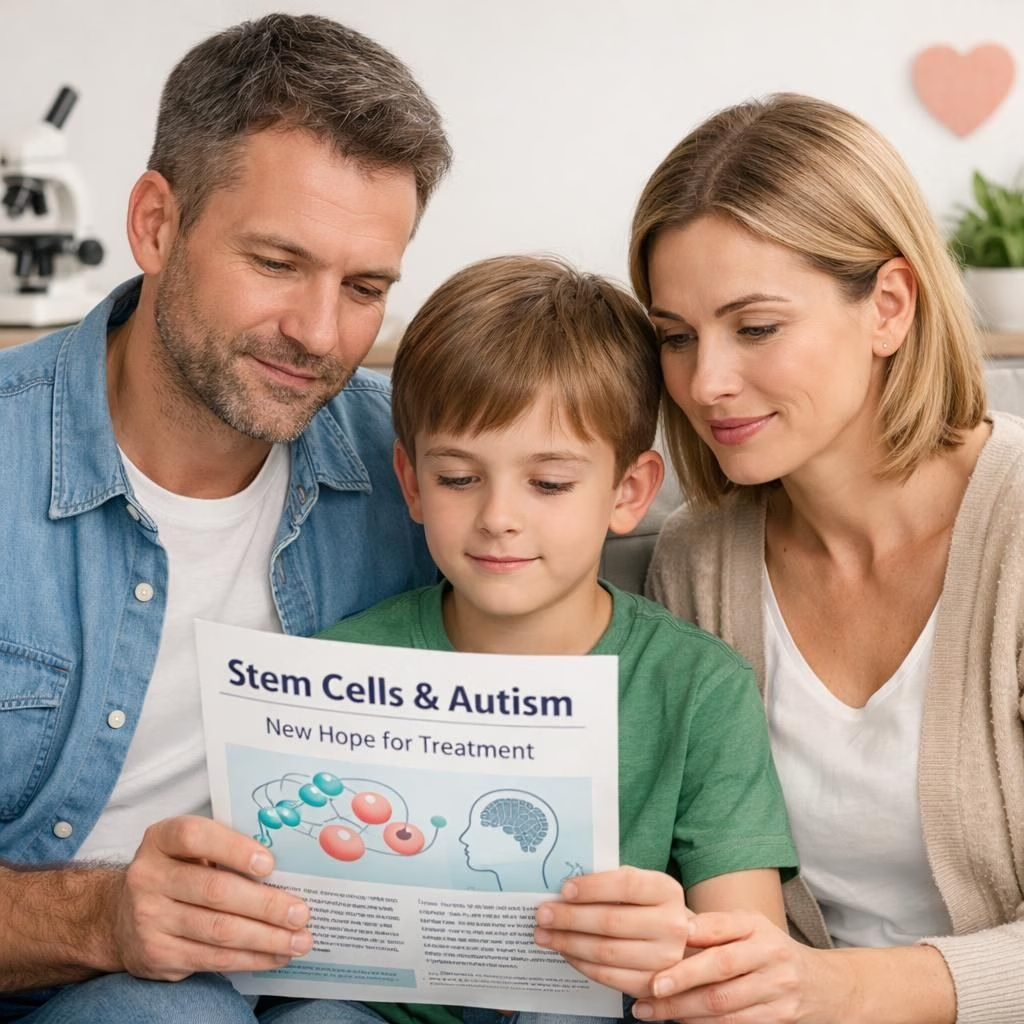
In 2026, a lively debate around Autism and Stem Cells has taken up residence in editors’ inboxes and coffee breaks, never mind the lab benches. The Guardian’s reporting on unapproved Stem Cells injections for autistic children became a flare in the ongoing discussion about medical innovation, patient safety, and the speed with which headlines chase attention. This piece aims to clarify what happened, why it matters, and how to think critically when claims sound impressive but require solid evidence. We won’t pretend this is simple, but we can treat it with care, facts, and a dash of humor.
Autism and Stem Cells: a playful lens on 2026 science
The core story concerns therapies marketed to families seeking hope for their children. The term ‘unapproved’ signals risk, not rebellion. When media circles amplify bold claims, they sometimes forget to check dosage, regulatory status, and long-term outcomes. The Guardian’s reporting highlighted how a high-profile figure lent vocal support to options lacking robust clinical backing. The joke we all should avoid is betting patient safety on a press release. In today’s landscape, Autism and Stem Cells demand transparent trials, independent data, and patient-centered oversight.
Autism and Stem Cells: policy, media, and curious readers
Policy matters because science without oversight risks harm. Regulatory agencies insist on rigorous evidence before injections become standard care. Yet some clinics push ahead on anecdote and social media buzz. We should not villainize curiosity, but we should demand proof. In practice, that means randomized controlled trials, clear informed consent, and post-treatment monitoring. For families, the challenge is sorting signal from noise: when a journalist rattles numbers and testimonials sound convincing, ask for data, seek credible sources, and consider peer-reviewed consensus. The aim is not cynicism but better decision-making for Autism and Stem Cells cases alike.
Newsrooms sometimes chase novelty, while scientists chase reproducibility. We celebrate progress but applaud caution. This balance keeps Autism and Stem Cells in check, preventing harm while inviting real breakthroughs. The piece also highlights how regulators can keep pace with rapid claims without quashing innovation. Readers deserve clarity: what is proven, what is investigational, and what remains speculative. With clear language and transparent data, we can reduce misinformation and protect vulnerable families.
Readers can take away four practical steps. First, look for published trials in reputable journals and check the trial phase. Second, verify the treatment’s regulatory status in your country. Third, ask clinicians about potential harms, expected benefits, and alternative options. Fourth, seek second opinions and avoid clinic hype that promises miracles. In this framework, Autism and Stem Cells remain topics for careful scrutiny rather than sensational headlines. The piece pushes back against quick iterations of ‘maybe someday’ and instead champions patient safety and transparent science.
To close, a note on language. Media and researchers alike should strive for precise definitions: what counts as ‘treatment’, what counts as ‘risk’, and what counts as ‘benefit’. When Autism and Stem Cells become shorthand for miracle cures, the nuance vanishes, and people suffer. If we can keep definitions clear and voices inclusive, we can separate legitimate progress from hype. The goal is a future where families feel listened to, clinicians feel supported by evidence, and regulators keep pace with science without stifling curiosity. That balance may feel like balancing on a lab rope, but it’s a rope worth walking in 2026 and beyond.
Original reporting inspiration and data came from a Guardian story; many thanks for the groundwork that informed this rewrite. Original article: The Guardian.
Practical steps for evaluating Stem Cells claims
- Check for peer-reviewed trials in reputable journals and note the trial phase and size; for Stem Cells therapies, look for clear methodology and outcome measures.
- Confirm the treatment’s regulatory status in your country, and whether it is approved or investigational for Stem Cells.
- Ask clinicians about possible harms, realistic benefits, and alternatives to Stem Cells therapies.
- Seek second opinions and be wary of clinics that promise miracles or rely on testimonials alone for Stem Cells claims.
FAQs about Autism and Stem Cells claims
- What counts as proof in this area? Look for randomized, peer‑reviewed trials with transparent reporting and independent data analysis.
- Are any Stem Cells treatments proven for autism? No widely accepted, proven autism therapies based on Stem Cells exist; decisions should align with current clinical guidelines.
- How can families protect themselves? Check regulatory status, request data and adverse-event reporting, and seek a second professional opinion.
- What should I do if I see sensational claims online? Verify the source, review the trial design, and compare with credible medical outlets and regulatory guidance.
Conclusion: The right path is cautious progress alongside clear communication. If you’re researching options for a loved one, start with your clinician, compare evidence from reputable sources, and stay informed about regulatory status and ongoing trials.
References
- The Guardian — autism stem cell infusions RFK Jr. article
- NIH: Stem Cell Basics
- FDA: Stem Cell Therapy — What You Should Know