

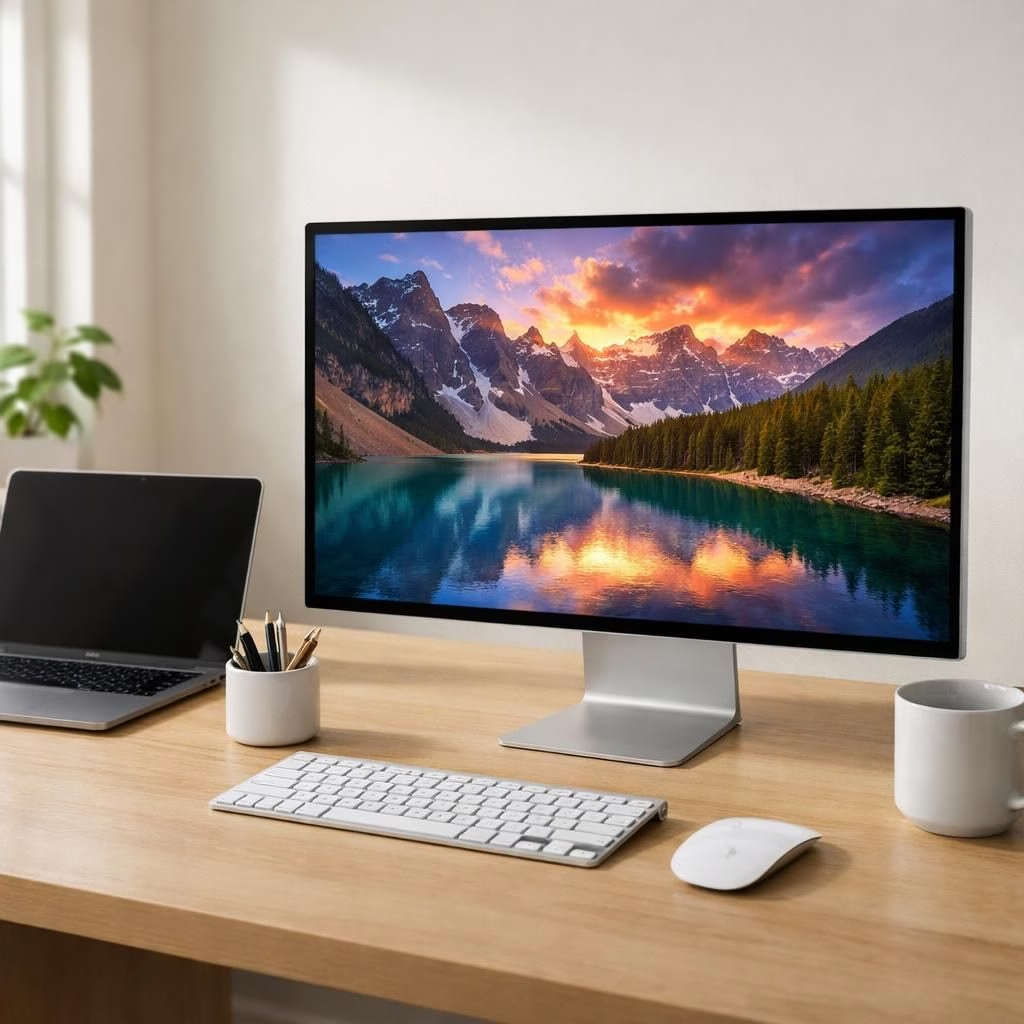
Studio Display and Apple are quietly sketching a 2026 refresh, bringing ProMotion up to 120Hz and HDR for brighter, punchier visuals. The rumor engine now points to two Studio Display models that will slot neatly into the Apple ecosystem without wrecking your desk aesthetic. If you like smooth scrolling and cinematic brightness, you will smile at these upgrades. And yes, the timing matters: a 2026 launch would fit Apple’s rhythm of mid-cycle refreshes.
Studio Display and Apple: 2026 Preview
Tech chatter lately centers on two Studio Display models with premium ambitions. The core promise remains ProMotion, allowing up to 120Hz refresh rates, and HDR for higher brightness and wider dynamic range. In practice, this could translate to crisper motion and more vivid greens and blues when you scroll, edit, or render video. For Apple fans, the idea of a high-refresh Studio Display is appealing because it keeps the visual workflow silky, especially when paired with a capable Mac. The Apple-branded angle here is simple: better displays push the whole ecosystem forward, not just the monitor alone.
Inside sources note that one of the big questions is bandwidth. A Thunderbolt 5 port is the likely baseline to support 5K at 120Hz while also driving peripherals. Some leakers, however, counter with a 90Hz ceiling on at least one model. Either way, the bandwidth upgrade should help you connect faster, charge efficiently, and avoid the dreaded bottleneck when you juggle a laptop, camera, and external drives on a single desk.
As for size, the high-end option is rumored to push toward a 32-inch panel, while the more conservative model could stay at 27 inches. The 32-inch concept would push 5K or beyond to maintain sharpness, though some analysts suggest 6K might be required to stay Retina-level at that diagonal. These debates highlight how display tech shifts push expectations for future Apple devices. The Studio Display line could end up offering distinct tiers so Apple’s professionals and enthusiasts can pick the brightness, color performance, and connectivity they actually need.
Industry watchers have tossed around other upgrades, including mini-LED backlighting on at least one model. If true, this would align with the broader trend toward improved local dimming, deeper blacks, and more even brightness across a larger screen. The potential move could also influence whether Apple retires the Pro Display XDR in favor of a two-pronged Studio Display strategy, with both a lower-end and a higher-end option in the mix. This would keep the line flexible for prosumers while preserving the sleek consumer appeal that Studio Display has long offered.
Rumors about Apple upgrading the internal silicon are equally intriguing. A newer A-series chip — A19 or A19 Pro — could replace the current A13 Bionic inside the display’s camera and processing stack. The upgrade would support smoother video decoding, improved image processing, and better on-device AI features for processors and cameras. Don’t worry about body heat: Apple typically designs these chips to stay efficient in a monitor-sized chassis, keeping noise and heat in check while you edit or game.
All told, a full Studio Display refresh could deliver a compelling trio: a higher 120Hz refresh rate, HDR with more dynamic range, and better audio along with a more capable internal processor. The end result would be crisper text, more natural color, and a more responsive feel when you drag windows across your workspace. In short, Studio Display could become a stronger anchor for the Apple desk, improving both creative workflows and everyday productivity.
Apple and Studio Display Upgrades: What to Expect
Let’s translate the rumors into a practical forecast. If the two-display strategy lands, the higher-end model would likely pair a larger screen with stronger speakers and more robust port options. You would not be stuck stalling because your Mac can’t keep up with your connected gear. The Thunderbolt 5 backbone would support 5K or 6K content at 120Hz, ensuring your video timelines stay smooth and your data moves fast. For Apple fans, such an update would feel like a natural extension of the company’s ongoing push to improve every link in the chain—from color accuracy on Studio Display to performance within the Mac Studio family.
On the software side, a brighter 5K panel combined with a more capable chip would enable better camera performance and more responsive UI experiences. Even if you do not produce video for a living, you will notice the difference when you scroll long pages, scrub timelines, or switch between apps. The goal seems simple: deliver a Studio Display that blends seamlessly with Apple devices, while offering more latitude for creative work and day-to-day tasks. The 27-inch option could serve as a reliable baseline for many users, with the 32-inch model positioned for users who crave a larger creative canvas and a stronger sense of presence in their workspace.
There is also an ongoing debate about backlighting. Mini-LED is attractive because it delivers richer contrast and more precise local dimming. If Apple adopts mini-LED across at least one Studio Display, this could push the line closer to the XDR experience in a more affordable package. The practical impact? You would enjoy deeper shadows in cinematic scenes, more nuanced highlights, and a display that holds up under bright daylight without washing out the image. It’s the sort of improvement that makes professional editors nod in quiet approval and casual viewers notice the difference in a good way.
Design language remains a key factor. Rumors predict minimal exterior changes, which is good news for current Studio Display owners who love the clean, understated profile that fits most desks. Apple tends to avoid flashy redesigns with monitors; instead, it bets on better panels, smarter chips, and stronger connectivity. If the rumors are right, the time-lapse transition from 60Hz to 120Hz will be the main visible difference, making everything feel more alive without demanding a new aesthetic order on your desk. For Apple, preserving a consistent look is part of its brand promise, while delivering meaningful performance improvements behind the scenes.
In terms of timing, the market seems to expect a first-half 2026 release window. That schedule aligns with Apple’s history of refreshing accessories in the spring to early summer window, often paired with other product updates. It also means enthusiasts should prepare for the inevitable wave of hands-on impressions, reviews, and videos as soon as retailers get stock. The launch cadence matters because it shapes when creative teams can leverage the new Studio Display strengths in their workflows and client projects.
Bottom line: if these rumors hold, Studio Display could become more than a secondary showpiece. It could become a bold, reliable center for Apple’s creative and professional ecosystems by delivering high-refresh-rate performance, better color fidelity, and more robust connectivity. The combination would make the Studio Display an enticing upgrade path for users who want to maximize screen quality and convenience without swapping an entire workstation—an appealing balance of form and function for the Apple crowd.
As always with rumor season, take the specifics with a grain of salt. But the direction is clear: Studio Display could elevate your everyday tasks and your creative projects in 2026, especially when paired with Apple devices that push the same boundaries. If you’re planning a desk refresh or a Mac upgrade, it’s worth keeping an eye on how these potential Studio Display changes might fit into your setup.
Please share your thoughts in the comments below. Do the rumored upgrades align with your needs? Which features would you prioritize for a Studio Display in 2026?
Original reporting and discussion inspiration by Filipe Espósito at Macworld — thank you for the thoughtful groundwork and the original material. For readers who want to explore the source, you can visit Macworld here: Macworld – Filipe Espósito.
External references
References
- Original source linkback: MacRumors