

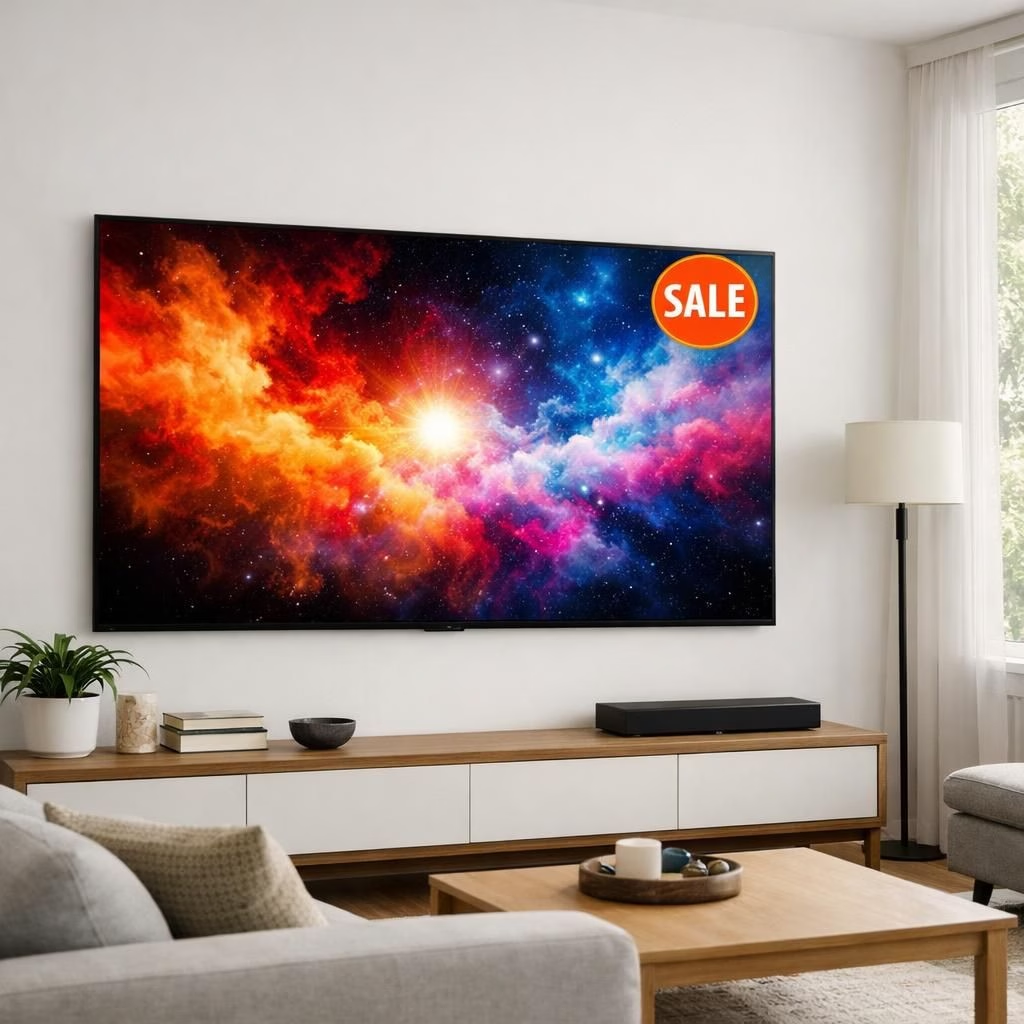
When the phrase ‘invisible TV’ started trending, I rolled my eyes and then realized the punchline: the screen is everywhere, whether you notice it or not. The 2026 living room is less about bulky boxes and more about bold promises on the wall, priced to entice, and marketed as if the future came pre-installed with a remote. This piece taps into the current buzz around big-screen upgrades and the two hot terms you’ll hear in 2026: TV Deals and Tag B. The idea remains simple: bigger screens, better contrast, and fewer excuses for not enjoying a movie night.
In the original chatter, an ‘invisible’ TV is pitched as an upgrade that might disappear into your decor — and yet it always seems to be on sale. The AOL piece with that exact headline argues that the right panel, mounted cleanly, can redefine a room without changing your furniture rhythm. I’m not claiming magic here, but a well-placed OLED panel can deliver cinema-like shadows and spectral colors in a living room that isn’t begging for attention. In this rewrite, we keep the core truth: the potential payoff of a large, immersive screen is real, but the price and the buying considerations matter just as much.
Across the press, you’ll notice a few recurring standouts: 77-inch displays, a push toward OLED and Neo QLED pacts, and deals that demand closer looks than a casual scroll. Mashable highlights the 77-inch Samsung S90F OLED at its lowest price yet, a figure that makes even the most stoic eye grin. Mint reminds buyers to check off key issues from size and panel type to the reliability of price cuts, while Technobezz calls out the premium models such as the Neo QLED QN990F for shoppers who won’t settle for “close enough.” WePC chimes in with premium 55-inch Tag B options on sale, proving the category is not just for wall-to-wall cinema fans but for anyone who wants a brighter, smarter home screen.
TV Deals in the Spotlight: The invisible screen myth
Let’s translate the hype into practical steps. If you’re upgrading, you’re not just buying a bigger TV; you’re buying a display that changes how you use the room. Consider panel type: OLED for true blacks and vibrant colors, or Neo QLED for brightness that handles daytime glare. Look at processing features such as upscaling and motion handling, because a large image with budget-grade processing still feels disappointing. When you see a deal, compare not just the price but the value: HDMI 2.1 for gaming, VRR for smooth action, and sufficient ports for a modern streaming setup. TV Deals appear here as a reminder that a sale is only as good as the value it delivers to your daily life. The tag is not a magic wand, but when used well, it helps you spot real upgrades rather than marketing mirages.
OLED Tech Wins in Real Homes
OLED Tech matters most when it translates to everyday use. The tech promises deeper contrast and more lifelike images, which are great for movie nights, late-night gaming, and a sense of sophistication when you binge your favorite shows. Yet the reality checks matter: you want consistent brightness, minimal risk of screen burn-in for varied content, and reliable panel life. The 8K debate is colorful but not always practical; for many, a splendid 4K Tag B with excellent color accuracy will be enough to elevate the room. And yes, the prices fluctuate, but the ongoing sales cycles show that good OLED panels are becoming more accessible, not just the playground for early adopters. For shoppers who crave nuance, the buying guide from Mint—“check before you buy”—is still a helpful ally. The same thread repeats in Technobezz and WePC: if you want real value, you select a model with the right balance of performance, energy use, and future-proofing.
Practical steps to maximize your upgrade: measure your wall, decide seating distance, review the panel’s brightness range, and confirm the grip of your sound system. If you like gaming, ensure the TV supports HDMI 2.1 features like 4K at 120Hz and a low input lag. If you lean toward streaming, pick a platform-agnostic OS that keeps your favorites in one place. And if you see a sale promising “best price ever,” verify the model year and the warranty terms. The whole point of TV Deals and Tag B is to help you make an informed choice, not to indulge in a fantasy of a perfect night in with zero trade-offs.
Bottom line: a well-chosen big screen is not a gimmick; it’s a meaningful upgrade to how you enjoy media at home. The current crop of 55- and 77-inch models bridges the gap between cinema and living room, offering that rare blend of immersive visuals and everyday practicality. If you’re shopping in 2026, lean into the data, the user reviews, and the retailer’s terms. The goal is to land a display that looks good, sounds great, and won’t burn a hole in your budget when the next sale cycle rolls around.
If you’re curious about the specifics, I’ve rounded up the kind of checks you’ll want to make and the questions to ask sellers. Keep in mind the buying signals you’ve seen in reputable outlets: watch for genuine price drops, confirm the panel type, and consider how the TV will fit with your existing lighting and audio setup. TV Deals and Tag B aren’t just buzzwords; they are reminders that the best upgrades are practical, personalized, and value-driven.
Original inspiration and thanks go to the thoughtful features from AOL for raising the invisible TV concept, plus Mashable, Mint, Technobezz, and WePC for the practical buying angles. Original link: This ‘invisible’ TV might be the upgrade your living room needs — and it’s currently on sale. Thank you to AOL for the inspiration.
FAQ on TV Deals and OLED Tech
-
What should I look for first when buying a big-screen TV?
Start with room lighting, then choose panel type (OLED for deep blacks; Neo QLED for brightness). Check for HDMI 2.1, VRR, and enough ports. Look for reliable warranties and real user reviews, not just banner promotions.
-
Is Tag B worth it for a bright living room?
Yes, when you pick a model with good peak brightness and anti-reflective coating. Since this question uses the Tag B anchor, it keeps the discussion grounded in real-world performance.
-
How long do OLED panels last in typical use?
Modern OLEDs are built for long life with robust panel warranties. Expect many years of normal viewing, with care to avoid static images on screens left for hours.
-
What’s the best way to assess a deal?
Compare price vs. panel type, check sales history, confirm model year, and verify warranty terms before pulling the trigger.
References
External references
- OLED vs QLED: a buying guide – RTINGS
- Best OLED TVs – The Verge