

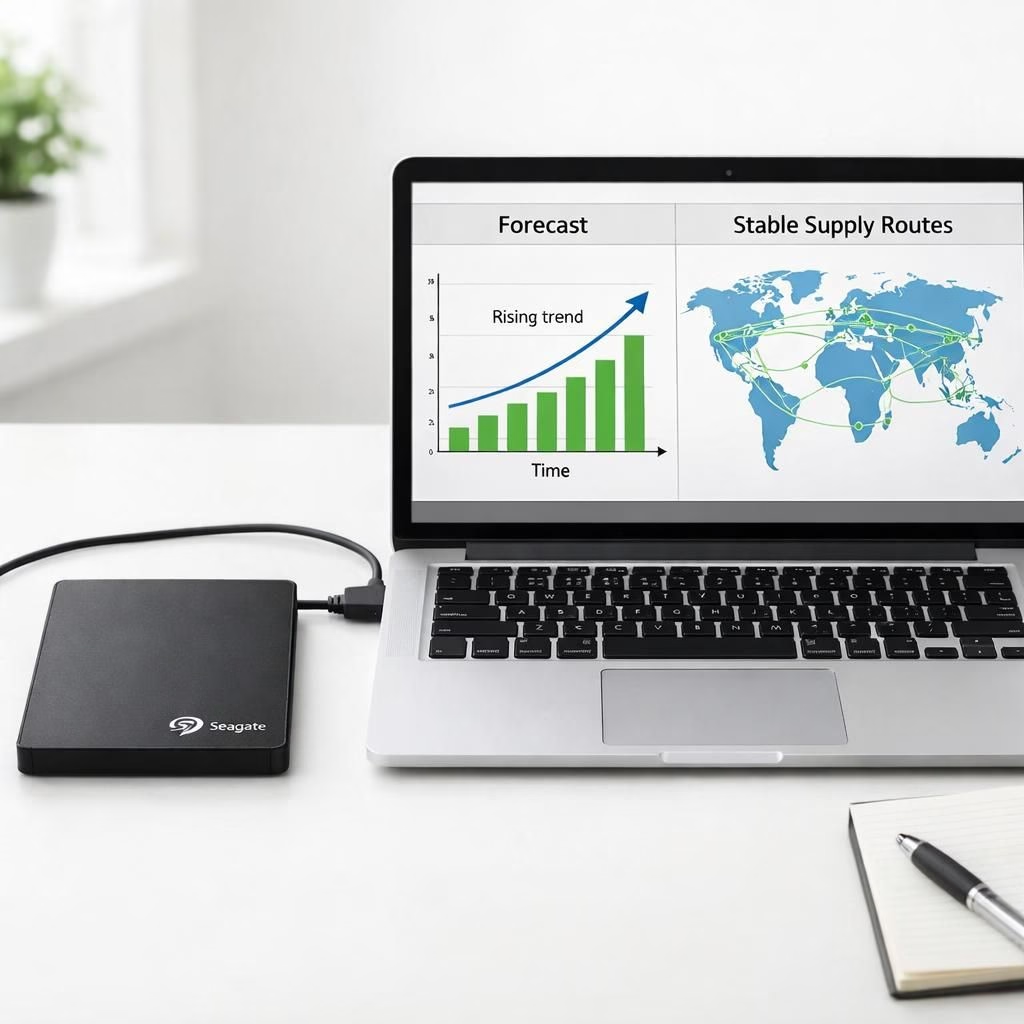
Think of 2026 as a well-tuned spinning disk: steady, with room for a little humor. The Middle East conflict isn’t a death knell for the tech supply chain in the near term, Seagate says. Helium and other key materials won’t vanish overnight, and current inventories cushion a rocky moment for storage. Investors worry about memory chips and storage devices, as supply chain tightness lingers.
storage Trends in 2026: Chips, Drives, and Demand
From the memory front, chips are tight but not hoarded by a single player. Manufacturers run lean, inventories shrink in pockets, yet the market doesn’t starve. In data centers, long-term storage needs continue to grow as more firms migrate to archival solutions. Drive manufacturers are expanding capacity and improving yield; pricing isn’t exploding, and storage remains a priority for both enterprises and home users as the supply chain adapts.
Supply chain signals for Seagate and Partners
On the supply chain front, the story is less dramatic and more actionable. Seagate and partners watch inventory levels, supplier commitments, and lead times. Helium, rare earths, and memory-grade components will still flow, albeit with occasional hiccups. Storage demand remains a priority for enterprise and home users, as diversification of suppliers and buffer stock help keep shipments predictable.
What this means for you: practical tips and optimism
Here are practical tips for businesses and hobbyists to stay steady in 2026:
- Diversify suppliers across the supply chain to reduce risks in storage procurement.
- Monitor lead times and build in a small storage buffer budget for upgrades and archiving.
- For data centers, consider additional archiving tiers and cold storage options to optimize cost and reliability.
- If you run a home PC, align expectations with 2026 supply; don’t hoard, but plan ahead for peak seasons in storage devices.
Readers are welcome to share thoughts in the comments.
Original article: Bloomberg: Iran war unlikely to hurt AI supply chain for now, Seagate says