

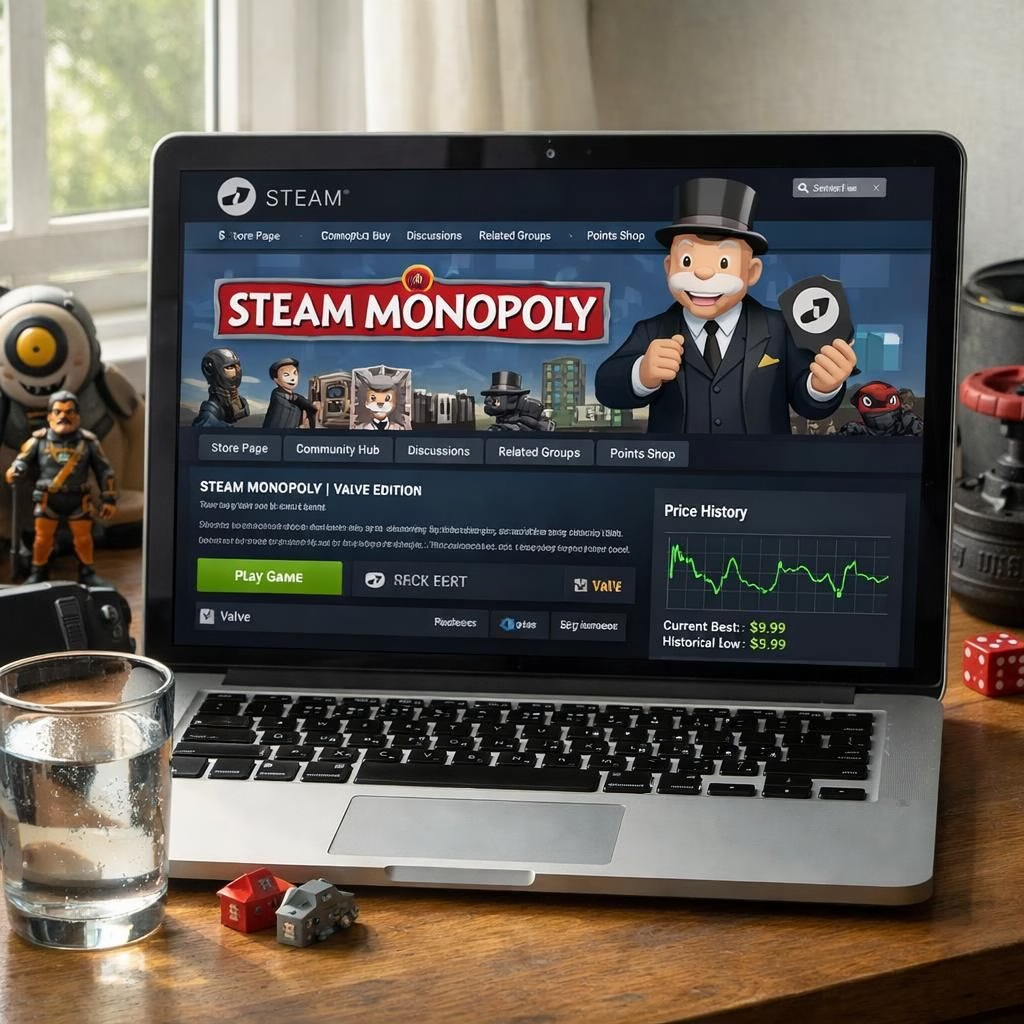
Welcome to a thoughtful tour through Steam Monopoly and Valve as we chase the idea of choice in the gaming storefronts of 2026. This piece keeps the core truth: there are debates, but there are also data, consumers, and some pretty useful tips on how to navigate the digital shelf without losing your mind. We examine headlines, pricing quirks, and the real cost of being a savvy gamer who still enjoys a sale.
Steam Monopoly: The Myth of Infinite Choice
Yes, the term Steam Monopoly may sting, but the reality is a mix of power, platform design, and healthy friction. The core truth is that players do have options, but those options are shaped by distribution deals, region-specific pricing, and a healthy dose of marketing psychology. In 2026, competition isn’t zero-sum; it’s more like a spicy curry: you feel the heat but you come back for another bite. Steam’s market position creates a baseline price floor, yet publishers pursue discounts, bundles, and indie discoveries. The lesson for gamers is simple: know your data, watch for price cliffs, and compare across stores, not just on impulse.
Valve: Transparency, Pragmatism, and the Public Spin
Valve, ever the enigmatic yet approachable company, balances public narrative with practical actions. The stance on pricing and store governance isn’t a perfect map, but it does offer signals: they listen, they adjust, and they publish updates when the world yells. The core truth remains: transparency helps, even when it’s not dramatic. In 2026, Valve uses dashboards, chatter, and occasional blog posts to reassure developers and players that the market isn’t a one-way street. We should applaud the effort even if we stay skeptical, because skepticism is not cynicism; it’s the software update for your brain.
Practical tips for gamers include: tracking price history, calibrating expectations for sales, and understanding regional differences. Look for price parity strategies, note when bundles appear, and don’t assume every new release deserves a premium tag. For developers, the key is to balance earnings with accessibility, offer generous demos or trials when feasible, and participate in honest pricing communication. All of this helps keep Steam Monopoly and Valve honest in a way that benefits players, studios, and the industry as a whole.
What This Means for You, the Player, in 2026
In practice, players should diversify their library by exploring storefronts, checking price histories, and using wishlists that alert on discounts. The aim isn’t to dismantle a platform but to understand its incentives and to make informed purchases. The Steam Monopoly picture remains complex, and the conversation improves when we demand data, transparency, and ethically priced indie gems. The takeaway is clear: let value guide your buying choices, not just hype.
Two small but powerful strategies: always compare prices across stores, and save tidbits of data in a personal price-tracking log. You’ll be surprised how often a small discount becomes a saving binge. If you spot questionable pricing behavior, document it, share it with the community, and keep the conversation constructive. This approach keeps Steam Monopoly and Valve honest without devolving into a flood of complaints.
Finally, a note of thanks: original reporting from IGN and Bloomberg helped shape this analysis. Special thanks to IGN for the coverage; you can read the source here: Customers Have Enormous Choice — Valve’s Steam Monopoly Accusations.
We invite readers to share their thoughts in the comments below. What did you notice about Steam Monopoly in 2026? How would you rate Valve‘s transparency moves? Your perspective helps strengthen the discussion and makes this a better resource for everyone.
Original sources and further reading are acknowledged at the end of this post with gratitude to the original publishers. Special thanks to IGN for the coverage.
Practical tips at a glance
- Track price histories across major storefronts before buying.
- Set alerts for discount windows and bundle releases.
- Compare regional pricing to avoid price cliffs.
- Consider demos or trials when available to test value.
FAQ
- Is Steam Monopoly a true monopoly? Not legally, but its market dominance shapes pricing, bundles, and discoverability.
- Do discounts really save money? Yes, when you time sales and compare across stores, discounts compound over time.
- Can developers fight back on pricing? They can through demos, regional pricing, and clear pricing communication.
- Is Valve doing enough for transparency? The signals point to incremental updates and dashboards, with room for greater openness.
Conclusion
The Steam Monopoly topic stays alive in 2026, but informed players can navigate it with confidence. By understanding incentives, tracking prices, and supporting transparent pricing, you keep the market honest without sacrificing your wallet.
References
- IGN: Gabe Newell says players have enormous choice when pressed on Steam monopoly accusations (original source)
- Bloomberg
- Eurogamer