

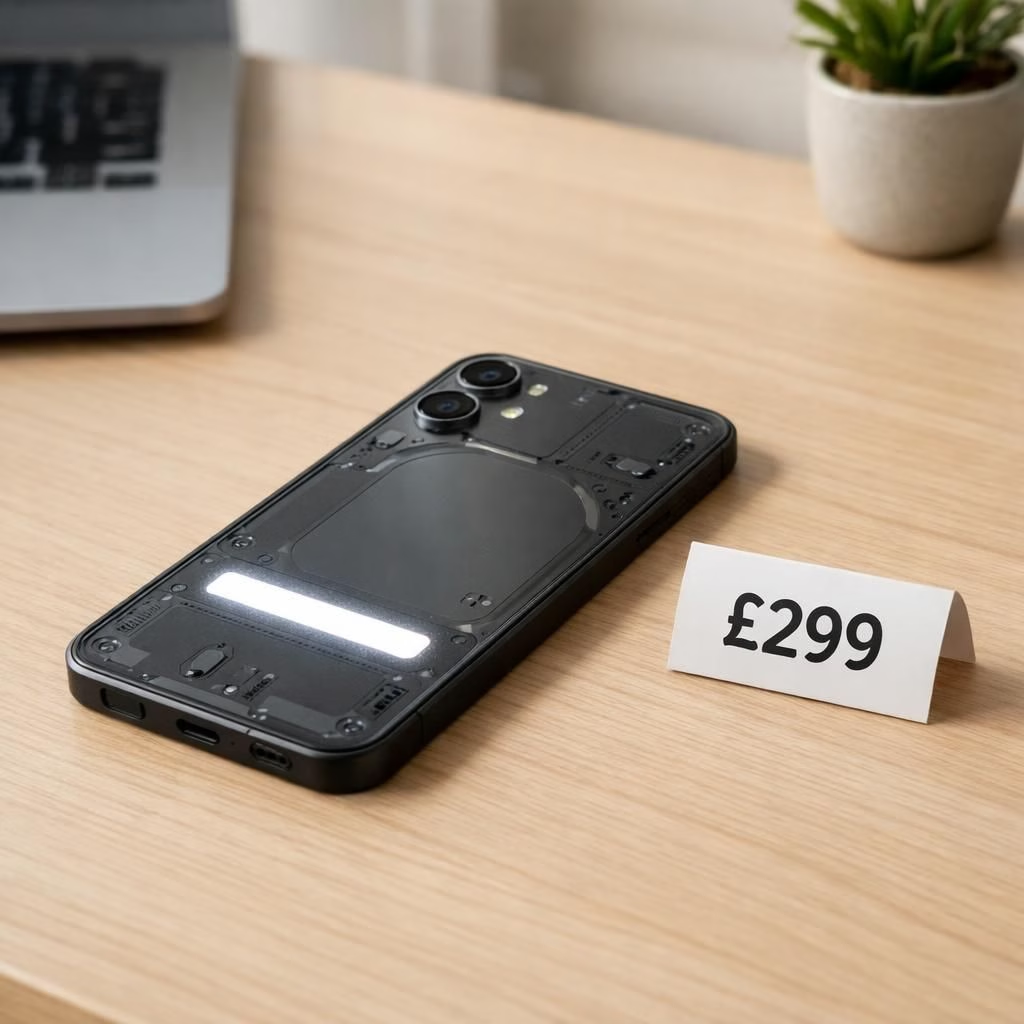
The Nothing Phone 4(b) is here, entering the budget smartphone lineup with the Glyph bar that signals Nothing’s signature style, while reminding buyers that price matters as much as bells and whistles in a budget smartphone era. This is a device that aims to deliver value without pretending inflation is just a rumor.
At launch, Nothing priced the Phone 4(b) at £299 in the UK (about $399), undercutting the 4(a), which began at £349 (around $466) back in March 2026. The backdrop is not friendly: AI data centers have pushed memory costs higher, nudging prices upward across devices. Still, Nothing carved a lower entry point for buyers watching pennies and pixels alike. For the budget smartphone shopper, that pricing strategy matters.
Nothing Phone 4(b) in a budget smartphone world
The split between 4(a) and 4(b) is mostly in the details. Nothing cut corners where it could while keeping the core idea intact: a phone that looks fun without breaking the bank. The plastic back saves weight and manufacturing costs, but it also reduces the premium feel many buyers expect in a moderately priced handset. For a budget smartphone option, the choice makes sense: you pay less upfront and accept that some materials won’t confetti your hands with premium glass.
- Display: a 6.77-inch panel with 1080 x 2344 resolution and about 381 PPI. It’s bright, peaking around 2,000 nits, which is plenty for most outdoor days but clearly not the best in the family’s sunlit moments from the 4(a).
- Processor and storage: Snapdragon 6 Gen 4, paired with UFS 2.2 storage. That’s a step down from the 4(a)’s chip and storage speeds, but it keeps everyday apps snappy for normal use and casual gaming.
- Camera system: two rear cameras—50 MP main and 8 MP ultrawide—with no telephoto. The setup is adequate for social posts but misses the telephoto versatility that enthusiasts sometimes miss in flagship-adjacent devices.
- Build and durability: plastic back rather than glass, helping keep costs down and resilience reasonable for a device you’ll carry around in a bag or pocket with less ceremony.
- Battery and charging: 5,200 mAh with 33 W charging—larger than the original 4(a) battery but with slower fast-charging, so expect a longer top-up than you might like.
These changes explain the price delta. The 4(b) isn’t pretending to be a premium phone; it’s a budget smartphone that leans into accessible, daily-use convenience. The price cut isn’t dramatic enough to feel like a steal for many buyers, especially when you compare the raw hardware against the 4(a). Still, in a world where electronics costs drift upward due to supply chain and AI memory demands, every bargain counts, and this one does spark a little optimism for budget-minded shoppers.
We should note that the 4(a) remains a strong contender in its own right. Our experience with the older model highlighted a brighter display, a more capable processor, a more versatile camera array, and faster charging. Those strengths are the kinds of advantages that accumulate into a better everyday experience, especially if you don’t want to compromise on performance as you navigate apps, multitasking, and the occasional battery-extending session before a long day. For those who want a budget smartphone that still feels premium visually, the 4(a) has the edge.
Budget smartphone realities: Nothing Phone 4(b) edition
From a broader perspective, the 4(b) gives buyers a tempting option when budgets tighten and feature lists start to blur into “nice to have.” It’s a reminder that a phone can be delightful without every bell and whistle. The Glyph bar remains a conversation starter, and that light-hearted identity helps keep phone prices honest in a market where hype can push sticker shock higher than the peak brightness of a display. If you value novelty, personality, and a sub-premium price, this model offers a reasonable compromise.
Yet there’s no magic wand. You won’t get a telephoto lens or the fastest memory, and the display isn’t as crisp or as bright as the 4(a)’s, even if you still get a strong 1080p-like experience with a modern 6.77-inch diagonal. The trade-offs are placed clearly in front of you: build with plastic, camera versatility trimmed, memory speed dialed back, charging speed scaled down. The result is a device that feels like a confident, junior member of the family rather than a full-powered sibling.
For those prioritizing overall value, the 4(a) remains the smarter pick. It’s not just about numbers; it’s about how those numbers translate into day-to-day use: brighter display during day trips, snappier app transitions, more flexible photography, and quicker top-ups that keep you in the social loop longer without hunting for a charger in every room.
We’ve tested the older model extensively and found it to be the standout phone in its price range. That sentiment still holds: if your priority is performance and long-term versatility, the 4(a) remains the better choice—even if it costs a little more now. The 4(b) shines when you want something charming, approachable, and affordable that still handles everyday tasks with ease.
If you’re trying to decide this week which phone deserves your money, ask yourself: do you crave the thrill of premium materials and flexible camera options, or do you want to stretch your dollar with reliable, day-to-day functionality? The answer will depend on your priorities, but the Nothing Phone 4(b) makes a compelling case for the “good-looking, good-enough, at a good price” philosophy that many shoppers appreciate in 2026.
In case you’re curious about the broader take, we still stand by our view that the 4(a) offers superior value for most buyers. The display, performance, and speed at which you can charge contribute to a calmer who-are-you-again in the daily routine. If you’re chasing a phone that keeps you moving without many recharges, the 4(a) is the more reliable partner in the long run.
Share your thoughts in the comments: which model best fits your needs, and how do you weigh price against performance in 2026? I’d love to hear your experiences and your own quick-and-dirty buying rules for midrange devices.
Special thanks to the original article for its material and insights. You can read the original here: Original Nothing Phone 4(b) Review. Thank you for the thoughtful reporting and the data that allowed us to craft this expanded look.
External sources
FAQ
-
Is the Nothing Phone 4(b) worth buying over the 4(a)?
In short, it depends on how you value price vs performance. The 4(a) offers a brighter display, more capable processor, and faster charging, making the smarter value for many buyers. If you’re drawn to the 4(b)’s charm and the budget-friendly price, it’s a compelling choice for everyday tasks and social use.
-
What are the main compromises on the 4(b)?
The main trade-offs are build materials (plastic back), a stepped-down camera setup without telephoto, a slower memory/storage option, and slower charging. These trade-offs keep the price down but reduce flexibility and top-end speed.
-
How does photography compare with the 4(a)?
The 4(b) misses a dedicated telephoto lens and has a more limited camera array, so you’ll rely on the main and ultrawide for most shots. If you want more versatility at similar price, the 4(a) remains stronger.
-
Is it good for daily use and battery life?
Yes. The larger 5,200 mAh battery helps end-day confidence, and the 33 W charging is reasonable; it just isn’t as fast as the 4(a). For many users, it’s plenty for a full day of regular apps and social tasks.
Bottom line: the Nothing Phone 4(b) stands out as a notable budget smartphone option in 2026—offering style and reliability at a more accessible price. If your priority is premium materials and camera versatility, the 4(a) remains the better bet, but if you want something charming, affordable, and ready for everyday tasks, the 4(b) is a solid choice.