

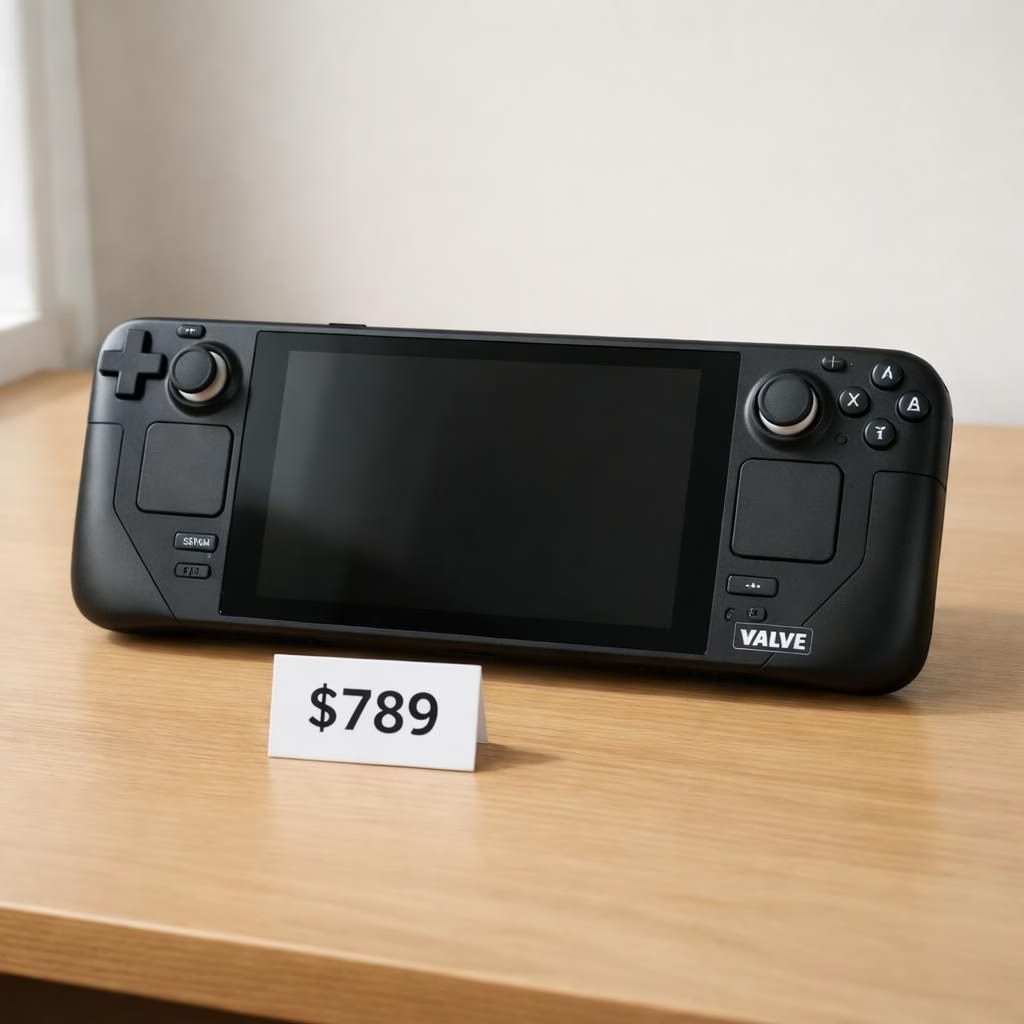
In 2026, the Steam Deck price update arrived with the drama of a midseason twist. Steam Deck, the portable PC in a chunky shell, now carries a higher price tag. Valve, the company behind it, framed the move as a response to hardware realities.
The base Steam Deck model rose from $549 to $789, a jump tied to a longer upgrade cycle and ongoing supply constraints. Analysts say this isn’t a one-off ripple but part of a broader shift in how portable hardware is bought and consumed. Consumers are weighing trade-offs between portability, power, and price as they plan next steps.
This price reality isn’t just a PR moment. It reflects three realities in the hardware space: higher component costs, longer lead times, and a market still hungry for premium handheld experiences. The result is a more measured conversation about value, risk, and how quickly buyers recoup the initial spend.
Steam Deck price reality in 2026
This price reality isn’t merely a marketing note but a signal that the economics of portable gaming have shifted. The triple driver—higher components costs, longer manufacturing timelines, and a strong consumer appetite for portable power—frames the discussion. In practical terms, buyers are asked to balance upfront price with the value of a system that blends laptop-like performance with couch-friendly convenience.
Valve positioning and price reality in 2026
Retailers are exploring bundles, extended warranties, and financing options to soften sticker shock without erasing profits. For players, the key is to separate hype from practicality: what do you actually need in a portable setup, and can you live with trade-offs around battery life, storage, and software compatibility? Valve remains committed to a platform that relies on a healthy software library and ongoing game compatibility, even as hardware costs push margins.
Steam Deck: practical paths for buyers in 2026
Two practical paths emerge for buyers in 2026.
- Buy now and plan for a longer ownership horizon, with careful charging habits and battery care to maximize value.
- Explore refurbished or certified devices with solid warranties, or wait for targeted sales that reduce the effective price.
- Compare bundles that include storage and accessories to avoid paying for extras later.
- Assess your on-the-go needs: how many games, how much cloud gaming, and how important quick resume is to you.
In both cases, the decision rests on how much on-device power versus portability you value.
Media coverage across major outlets has shed light on the nuance behind the price jump. The Verge framed it as part of a broader refresh cycle; Polygon emphasized consumer optics; XDA and Kotaku traced hardware realities and market signals; 80 Level offered context about pricing strategy in a competitive landscape. The consensus is reflective rather than sensational: the market is adjusting to real costs while still chasing the portability narrative. For readers, that means ongoing dialogue about hardware refresh cadences, supply-chain dynamics, and the tricky math of selling premium devices into a price-sensitive market. The conversation broadens to include accessory ecosystems, service models, and the challenge of sustaining a vibrant software library without alienating budget-minded gamers.
Original reporting and context are credited to multiple outlets. Thank you for the groundwork and thoughtful coverage: The Verge, Polygon, XDA, Kotaku, and 80 Level.
What do you think about this 2026 price reality? Share your thoughts in the comments and join the discussion about portable gaming value and the future of handheld PCs.
References
- The Verge — Valve Steam Deck price increase (original reporting)
- Polygon
- XDA Developers
- Kotaku
- 80 Level