

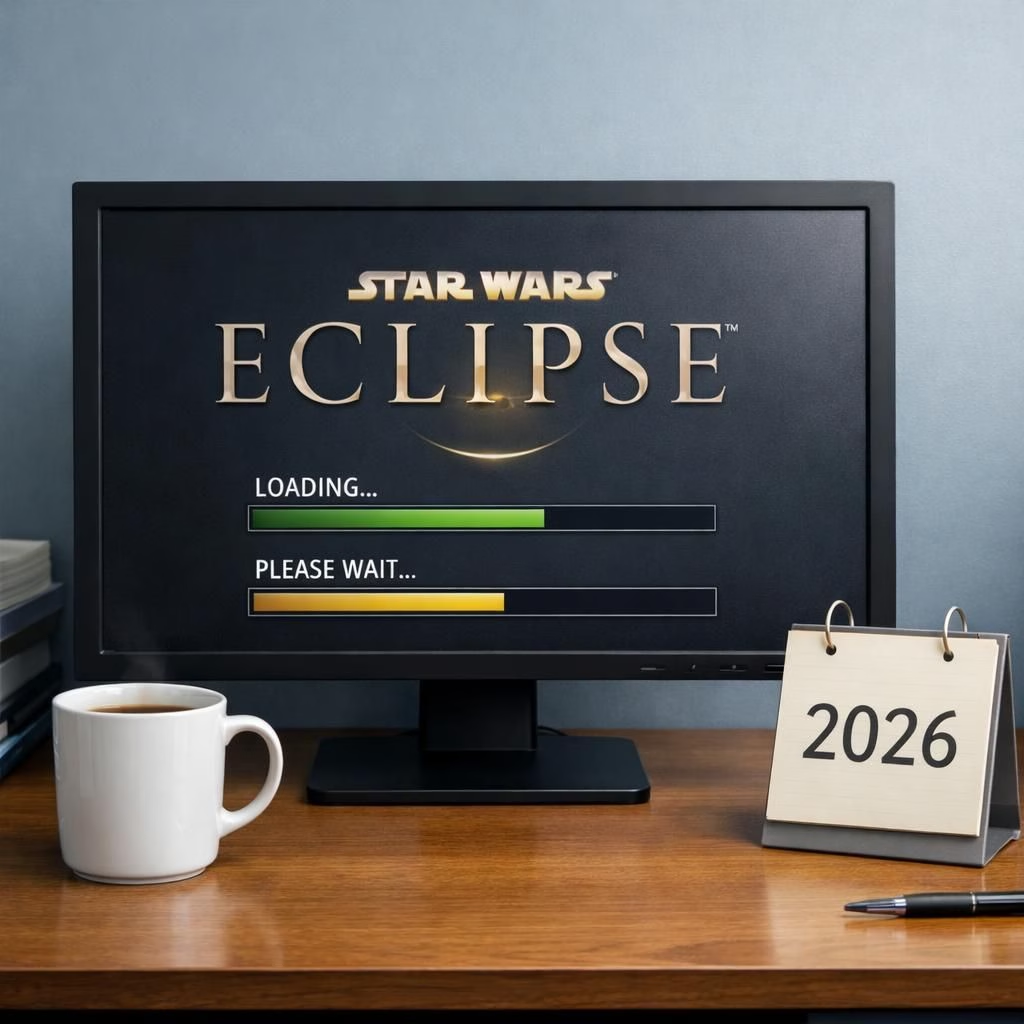
Star Wars Eclipse development has hit a notably slow pace, but this post aims to keep things light and constructive. The reality is simple: ambitious games stretch timelines when teams chase depth, polish, and cinematic scale. In Star Wars Eclipse, creative ambition is as big as the galaxy itself, and the challenges are equally vast. This pace isn’t a failure; it can seed smarter design choices and longer-lasting world-building that keeps players engaged.
Star Wars: Slow Dev, Patience, and Potential
The Star Wars vibe here is a boon, not a burden. It pushes teams to aim for cadence rather than shortcuts. When we discuss Eclipse, the goal is a living universe, not a quick patch. Slow, deliberate iteration often yields deeper systems, richer characters, and fewer post-launch surprises.
Eclipse as a Case Study in Long-Term Craft
Viewed as a long-term project, Eclipse shows how scope discipline matters. The Star Wars universe convinces teams to resist creeping scope creep and to add features that deepen immersion. Clear communication matters as much as code; sharing progress helps keep fans engaged rather than drifting away.
What Star Wars and Eclipse Teach Us About Long-Term Craft
Two big lessons emerge from this pace and promise. First, clarity of scope matters. The Star Wars ecosystem is beloved, which means expectations run high. Eclipse benefits when developers say no to scope creep and yes to thoughtful additions that deepen immersion. Second, communication matters as much as code. When teams share progress often and honestly, fans stay engaged rather than drift away. In practice, that means regular behind-the-scenes updates, transparent milestone reports, and a commitment to quality over speed. The combination of Star Wars lore and Eclipse ambition invites a careful development rhythm: one that values polish as a form of respect for the audience.
- Maintain a clear, documented roadmap that evolves with feedback.
- Prioritize core features that differentiate the game in a crowded market.
- Embrace iterative storytelling, letting players uncover lore through play rather than exposition dumps.
- Invest in tools and pipelines that reduce repetitive work for creators.
As the year 2026 rolls on, Eclipse fans can choose to stay optimistic about progress rather than resent the pace. The Star Wars legacy teaches patience as a strength, and Eclipse embodies that virtue with a modern, measured edge. When developers balance ambition with practical milestones, the result can be a game that feels worth the wait rather than a trailer that overpromises and underdelivers.
In closing, if you’re excited by Star Wars and curious about the Eclipse journey, you’re not alone. The journey is long, but the destination can be worth the detour. The best care we can give a saga of this scale is to celebrate careful craft, cheer clear communication, and stay engaged as a community. Share your thoughts on how you’d like to see Star Wars Eclipse evolve in 2026 and beyond.
Original article: Thank you to Insider Gaming for the original reporting. Source link: Star Wars Eclipse Development Is “Very Slow Going” — we appreciate the original material and its insights.
Further Reading for Star Wars and Eclipse Fans
For broader background on game development pacing, see Video game development and industry insights from Game Developer.