

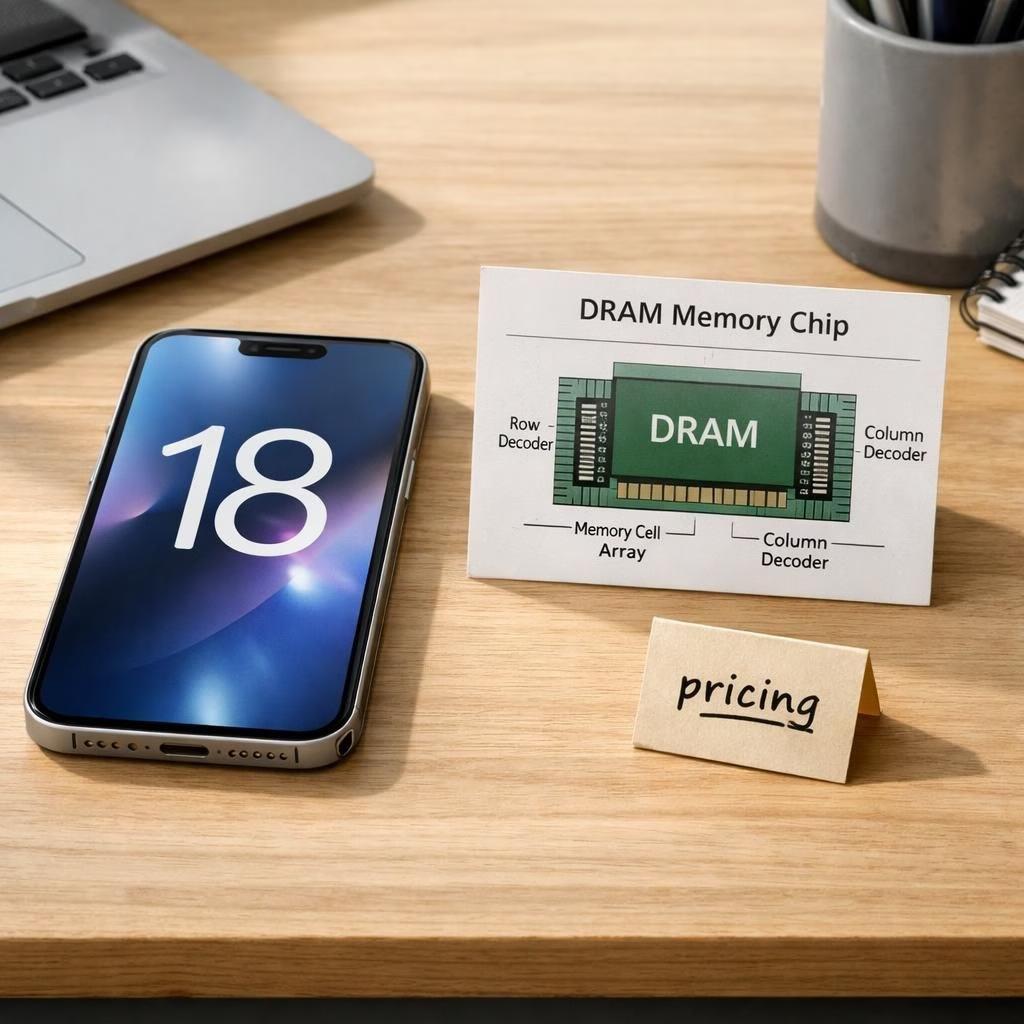
In 2026, memory and Tag B set the stage as Apple reportedly plots a counterweight to memory price swings in the iPhone 18 cycle. With global component costs creeping higher, the Cupertino team leans on its deep pockets to keep internal costs in check rather than coaxing customers to pay more. Analysts say this move could lock in price stability for Apple fans while softening the blow to margins in a volatile memory market.
Sources in the know suggest Apple is quietly buying a large share of available mobile DRAM at elevated prices, a strategy that prioritizes supply security over immediate operating margins. The aim: secure chips while limiting their availability to rivals, a move that may pay off when volumes rise and the memory market twists again in 2026.
TF Securities analyst Ming-Chi Kuo notes Apple might absorb higher memory costs instead of lifting device prices. He points to quarterly memory price trends and the leverage Apple holds when locking in supplier deals. The logic is simple, though bold: under volatile market conditions, keep the starting price flat and win on services later while you cushion hardware costs behind the scenes.
memory and pricing strategy in practice for iPhone 18
Aggressive as it sounds, the tactic aims to not chase every price spike. Apple may absorb memory cost increases, keep the iPhone 18 price point steady, and still claim market share as competitors pass on costs. The company does this from a position of scale, cross-subsidies from services, and a long track record of quiet resilience in the supply chain.
memory and pricing dynamics in the supply chain
Industry chatter notes that memory price pressure could ripple beyond phones. MediaTek and Qualcomm reportedly cut down on 4nm mobile chip shipments, trying to optimize costs. Samsung raises prices on high-end variants, aligning with the memory price trend. Yet Apple leverages its buying power to secure critical DRAM and NAND supplies, which could calm the iPhone 18’s hardware costs while nudging competitors to adjust.
Analysts are watching for how this strategy affects margins and investor sentiment. Memory cost pressures might show up in quarterly results, but Apple has shown it can convert hardware discipline into services growth. The company has long argued that the long game is a balanced mix of devices, services, and an ecosystem that keeps competitors from following the exact same playbook.
What does this mean for users? If the drumbeat of memory and Tag B stays predictable, iPhone 18 buyers may see stable prices despite scarce memory and a hawkish supply chain. Some rivals will feel the squeeze more than Apple, given the company’s scale and optionality. The moral: a big bankroll can influence the parts market without scaring customers into jumping ship.
Ultimately, the memory Tag B tango is part of a larger supply chain symphony. The AI server boom and demand for advanced nodes add strain, but Apple’s approach—secure the chips, absorb the costs, and preserve price points—keeps wallets steady and the launch calendar intact. The result: fewer price shocks for early adopters and a smoother path into 2026 devices.
FAQ and further analysis available below to help readers interpret this strategy in real terms.
FAQ: memory and pricing
- Q: How might memory pricing affect iPhone 18 costs?
A: Apple could keep the starting price flat while absorbing memory costs, potentially protecting margins and growing services over time. - Q: Will this strategy hurt Apple’s margins?
A: It could compress hardware margins in the short term, but the bet is that services and ecosystem will compensate over time. - Q: What should consumers expect in 2026?
A: Expect a stable iPhone 18 starting price and smoother memory component supply, with resilience for early adopters.
Conclusion
Apple appears to be using its financial strength to manage memory challenges without triggering broad price hikes. If successful, this approach could offer predictable pricing for iPhone 18 buyers while preserving margins for later services and ecosystem benefits. For readers, the key takeaway is to watch how supply-chain moves shape device pricing rather than assuming quick, across-the-board changes.
References
- Times of India: Apple may have a plan to ensure you do not pay more for iPhone 18 series
- Original Wccftech article
- Bloomberg Technology
- Reuters Technology