

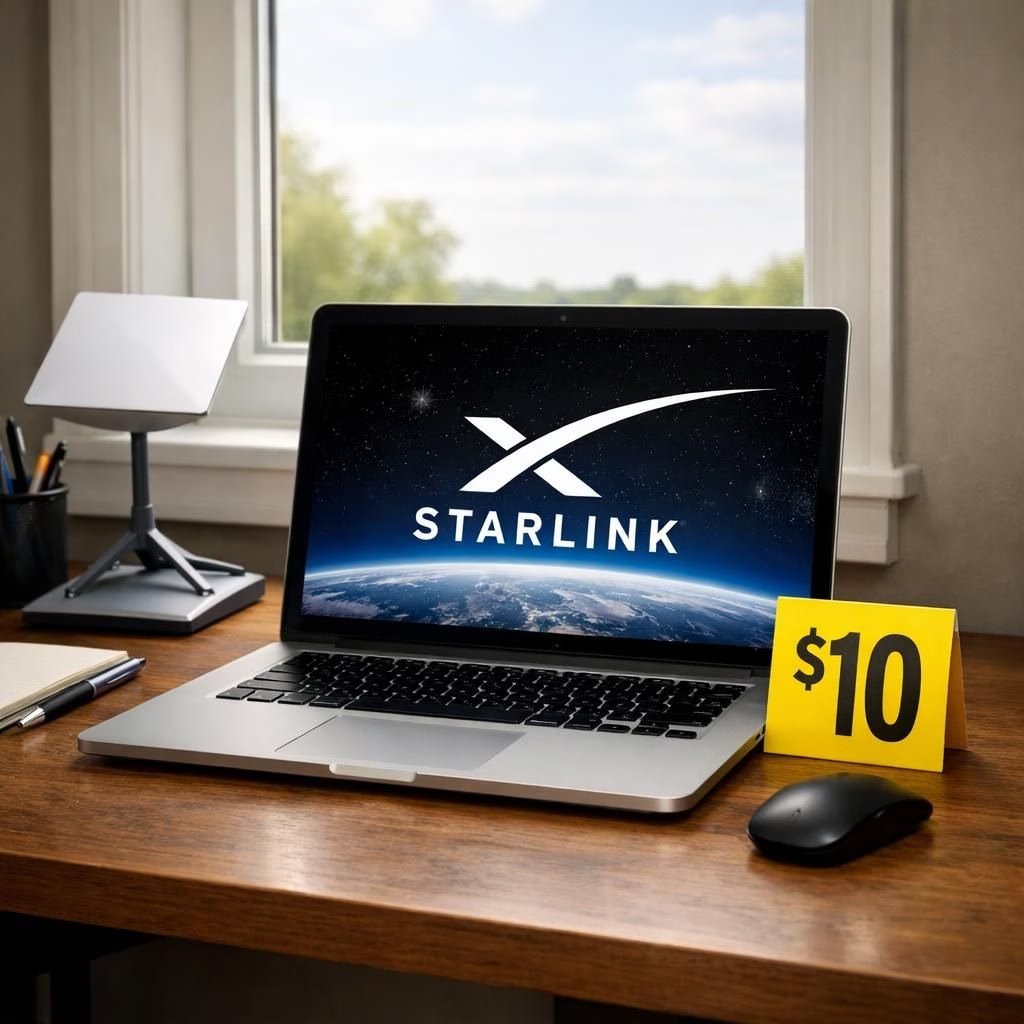
Starlink hardware-rental is joining the club of services that charge for gear after the sale. It mirrors the cable world, but with a space-age sheen. The core truth is simple: a ten-dollar monthly fee buys you ongoing access to hardware. The company is not hiding a secret; it is selling a service that includes hardware.
Starlink hardware-rental reality: cost and context
The price tag is public and deliberate, not a hidden quirk. A steady ten-dollar monthly charge covers equipment updates, maintenance, and some level of customer support. Users either pay upfront to own gear or accept the rental plan with predictable bills. The ongoing cost is the opposite of a one-off purchase. That reality surprises few long-term buyers.
In industry terms, this model aligns with rental practices seen in other sectors. The structure creates steady revenue for providers and reduces the upfront barrier for new users. For customers, the monthly cost can feel fair if the service remains reliable.
Yet the prospect of additional fees can dampen the mood. Providers respond with disclosures and bundled options to preserve trust. The rental approach appears as a service layer on top of satellite connectivity.
Customers weigh a mid-term price against the thrill of instant installation. Some people opt for longer commitments to lower total costs. Others look for promotions, used gear, or a future buyout option.
Security matters in 2026, and patching devices is essential as busy households demand reliability. A rental approach can complicate updates if the vendor delays, so transparency is key.
Starlink hardware-rental: user experience and practical tips
In practice, the rental model is about access, not philanthropy. It broadens the market by lowering upfront costs and making installation friendlier. Yet it also places the ongoing responsibility on users to manage fees.
If you want to compare, think of it like software-as-a-service with hardware. The risk of a sudden reversal is smaller when the provider maintains gear. In the long run, plans may become more inclusive.
Customers can decide if this approach fits their budget and lifestyle. Entrepreneurs and households alike crave stable costs in a volatile market.
A curious outcome is that this becomes a habit of monthly costs, which can build loyalty or fatigue, depending on service quality.
Investors may see revenue from this model as sustainable as satellite networks grow. The structure invites comparisons to older cable practices that kept customers paying.
If you prefer DIY setups, you might find the rental approach frustrating. The upside is ongoing support and easy replacements when equipment fails.
The public conversation around this model is practical, with a touch of humor. People want to know if the service starts fast and stays reliable.
Tips for navigating this model in 2026 include reading terms, comparing plans, and watching for fees. Consider buying later if the total cost to own drops beneath rental pricing.
Keep firmware updates enabled and set automatic alerts for outages and price changes. The rental story invites readers to weigh convenience against cost.
In 2026, the idea of hardware as a managed service seems mainstream. The internet is moving toward subscriptions, even in space-borne services.
If you track the moves, you can anticipate future pricing tricks and service bundles. That foresight helps households plan budgets and avoid sticker shock from gear fees.
Whether you love or roll your eyes at the monthly charge, the trend is clear. The model reflects a broader shift toward more flexible tech ownership.
Security considerations stay paramount; update guidance should accompany every new hardware cycle. Customers should expect timely patches and clear communications from the provider.
In summary, the rental model is practical, sometimes playful, and increasingly common. Understanding it helps you decide if the monthly price is worth the service.
Original article: Ars Technica — thank you for the reporting. Source: Starlink takes page from cable firms with $10 monthly rental fee for hardware.
For context on satellite internet pricing models, see the official site: official site.