

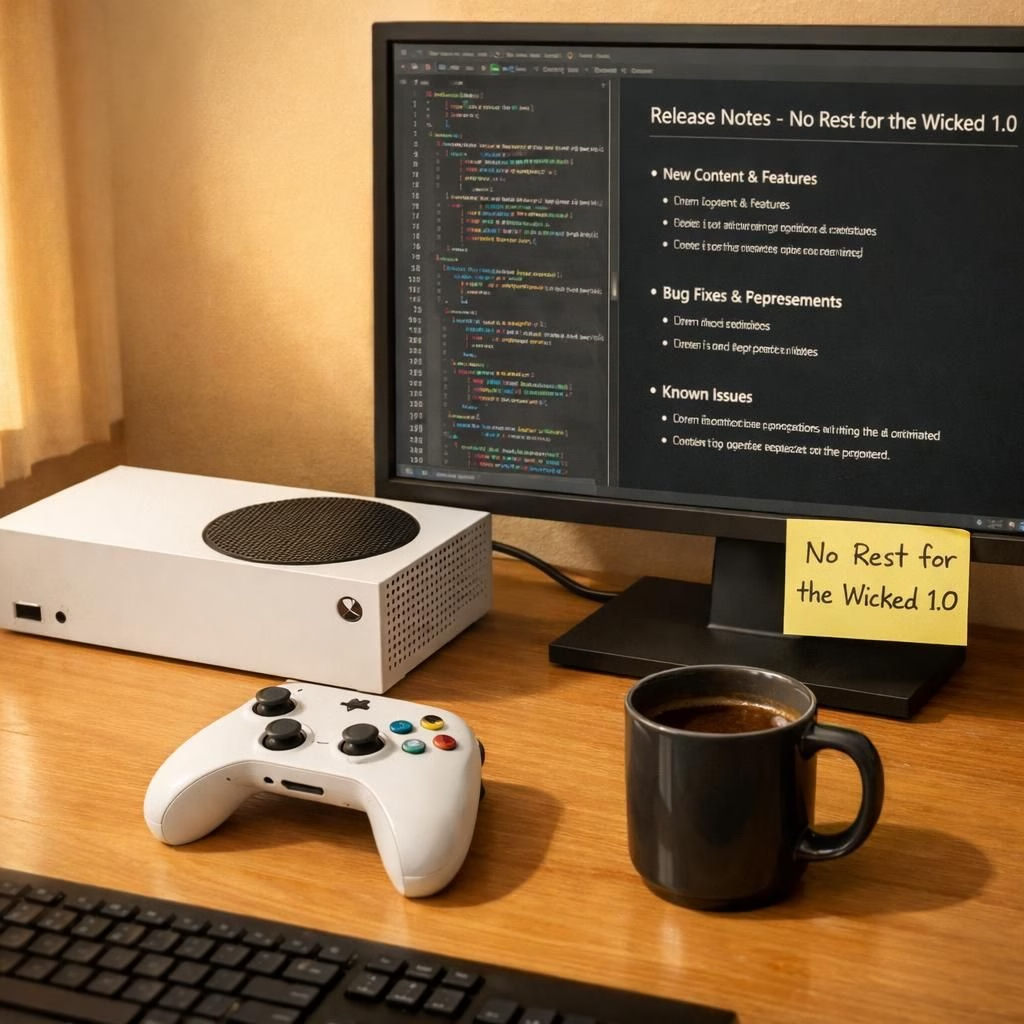
Series S Xbox Delay Insight: No Rest for the Wicked in 2026
As a case study in modern release planning, No Rest for the Wicked shows how release timing hinges on the dance between developers, publishers, and platform partners. When the Series S enters the conversation, the Xbox version tends to drift a bit, and that shift can ripple across calendars faster than a patch note. In 2026, the team notes that the Series S constraints—memory budgets, shader complexity, and performance ceilings—can nudge the target window, with more time for QA and a measured rollout. The Xbox version will not launch simultaneously with the PS5 edition; the release cadence now prioritizes a deliberate rhythm that aims for a solid day-one experience for everyone.
Across industry coverage, the tone has been pragmatic. IGN highlighted that the delay isn’t about laziness but about ensuring the game runs well where it counts. The adjustment aligns with a broader pattern: developers strive to ship a polished product on all major platforms, even if that means re-ordering launch timelines. This isn’t a sidelined project; it’s a careful orchestration, ensuring the Xbox version gets the care it deserves after months of PC and PS5 readiness checks. The dialogue around Series S uplift helps fans temper expectations while remaining excited about the final product.
Xbox Timing and the Series S Constraint: A Realistic Release Cadence
Xbox owners and PC players alike have learned to expect a robust, well-tuned port. The Series S, with its unique performance envelope, requires bespoke optimizations. That’s the heart of the delay: not a cancellation, but a carefully staged release plan that respects both the hardware and the user experience. The development team has spoken about asset streaming, memory budgets, and frame pacing as key levers. By prioritizing stability over speed, they aim to prevent a rough first impression on the Xbox that could color perceptions of the entire launch window. In practice, this means more time for QA, more time for pass-through on Xbox-specific features, and a smoother day-one experience when the full cross-platform launch eventually lands.
Industry commentators have echoed this approach. The pause allows for cross-platform parity and reduces the risk of hotfix fever post-release. It also mirrors how Moon Studios has historically navigated platform differences with care rather than bravado. The aim is a launch that stands up under long-term play, not a quick splash that fizzles after a week. The reporting from outlets like Game Informer, MMORPG.com, and Pure Xbox helps fans understand that this is a shared industry pattern rather than a peculiar one-off. And while fans wait, the team remains transparent, sharing milestones and actionable goals instead of vague optimism.
Series S Versus Xbox: Crafting a Cohesive Experience
Series S constraints are not a kryptonite; they’re a design brief. The dev team has rebalanced texture budgets, load times, and AI routines to ensure that the Xbox version lands with the same polish as its more capable siblings. This means more iteration and more testing, but the payoff is a cohesive experience across Xbox hardware. When you combine the Series S demands with the Xbox ecosystem, you get a release that feels crafted rather than rushed. It’s a reminder that great games are often delayed not by failure, but by a stubborn commitment to quality for every player, whether they own the newest box or the more modest one.
From a reader’s perspective, the lesson is clear: patience pays off when it comes to cross-generation launches. The team’s approach borrows a page from successful live-service models—iterate, test, and time the drop for maximum impact. In practice, this means better performance at launch, fewer post-release patches, and a more reliable start for the community. It also signals a pragmatic mindset for future projects: if you want a robust Xbox experience, you plan for Series S realities rather than pretending they don’t exist.
The release plan is not a mystery; it’s a strategy. It acknowledges the realities of working with multiple consoles and the weight of delivering a polished, enduring product. The early access path on PC and PS5 sets expectations, while the Xbox and Switch follow with careful sequencing to ensure parity in features, content, and performance. This approach, while patient, is designed to honor the player base across platforms and keep the launch calendar manageable for teams who are juggling deadlines, certification queues, and seasonal marketing windows.
As fans look forward to the final 1.0 iteration, the conversation remains constructive. The team invites constructive feedback and keeps the community informed about milestones and what to expect next. The spirit is both practical and optimistic: a strong foundation, thoughtful optimization, and a cross-platform release that feels like a single, cohesive experience rather than stitched-together patches.
In short, the Series S and Xbox reality is a catalyst for better quality control and thoughtful pacing. The No Rest for the Wicked team demonstrates that good things take time, especially when the goal is a robust showcase across all Xbox hardware generations. The story isn’t about a setback; it’s about a strategic re-timing that benefits players now and in the long run. And yes, we could all use a little humor about late-night build checks and coffee-fueled QA sessions to keep morale high while the game shapes up for launch.
Thank you to the original reporting and coverage from IGN, Video Games Chronicle, Game Informer, MMORPG.com, and Pure Xbox for helping shape the wider understanding of this evolving release timeline. Your thoughtful journalism keeps fans informed and the industry accountable.
If you’d like to dive deeper into the sources behind this synthesis, you can explore the original articles linked here. We appreciate the ongoing collaboration and the shared goal of delivering a high-quality experience for both Series S and Xbox fans alike.
Have thoughts on the Series S and Xbox release timeline? Share them below and join the discussion about how platform constraints influence game launches in 2026.
Frequently asked questions
- Q: Why is the Xbox version delayed?
A: The Series S constraints create a need for more tuning, memory budgeting, and QA time to ensure parity and stability across platforms. - Q: Will the PC and PS5 versions launch first?
A: Yes. Early access and readiness for PC and PS5 set the stage for a cross-gen, cross-platform rollout that prioritizes quality. - Q: Is this approach common in the industry?
A: Many studios pursue cross-platform polish to avoid a fragile launch. The goal is a smooth start with fewer patches after release. - Q: How will players know when the Xbox version is ready?
A: The team promises transparent milestones and regular updates about progress and target dates.
External references and further reading can be found via the sources listed below, which provide context for the release timeline and platform considerations.
References
Original reporting and attribution: IGN, Video Games Chronicle, Game Informer, MMORPG.com, Pure Xbox. A big thank you for the original source material that informed this analysis.