

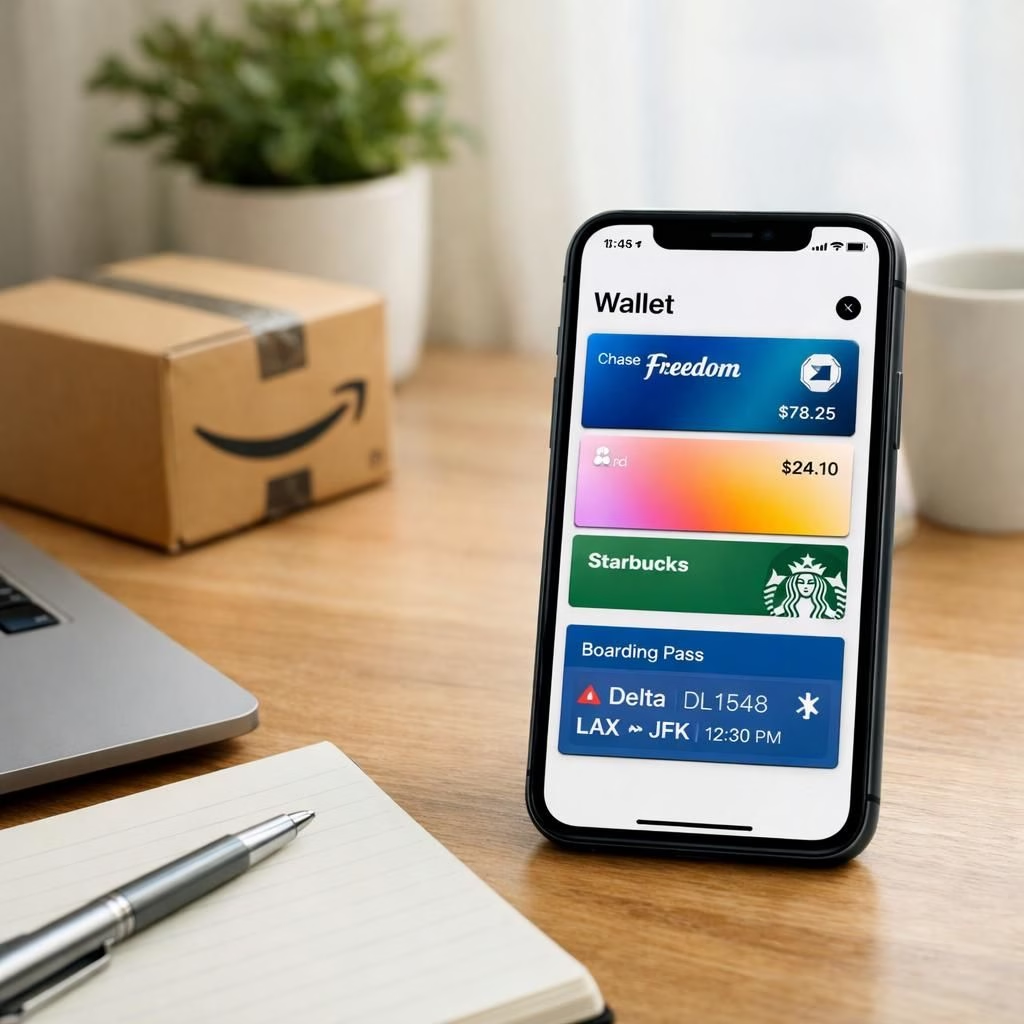
Here in 2026, Amazon makes a bold move that rattles the tech world while letting Apple Wallet fans breathe a sigh of relief—and then a tiny giggle. The story? Amazon nudged Apple Wallet into a new spotlight, not by burning the old path but by highlighting its quirks with a playful glare. In plain terms, the combo of Amazon and Apple Wallet is at once familiar and surprising, like a coffee order that arrives with a tiny software update on the side.
Amazon and Apple Wallet: The duet you didn’t know you needed
Truth is, Amazon did not flatly erase a feature. It altered the flow that Apple Wallet users relied on daily. The feature in question made passes, tickets, and loyalty cards glide through with a single tap. The tweak nudges that glide a bit, testing tolerance, not breaking the entire system. Apple Wallet remains sturdy, yet the new rhythm invites attention and a touch of humor about the fragility of convenience.
What Amazon changes mean for Apple Wallet users
For most users, the change feels like a minor detour rather than a cliff. You may see slightly longer setup steps, or a prompt that asks you to re-authorize a pass. The good news: you still control security, and you keep access to the wallet features you rely on. The story here is practical: update the associated apps, re-run passes, and keep your two-factor codes handy. The playful irony is that a company built on convenience can still force a quick reset—but reset is not a bad word when it keeps things safer.
Amazon strategies with Apple Wallet in the spotlight
Star players remain: Amazon pushes faster update cycles while Apple Wallet anchors reliability. The friction reveals how both sides design for edge cases. Amazon benefits from fresh signals and rapid iterations, while Apple Wallet benefits from a clearer user flow and more precise prompts. The net effect is not a war of apps but a balancing act between speed and safety, a duet that keeps both brands honest and usable for real people.
Adopting resilience: user tips for 2026
The practical path forward looks simple in theory and just a bit nerdy in practice. Treat this change as a chance to tighten security without sacrificing convenience. Here is a compact playbook for staying smooth:
- Open the Amazon app and review any wallet-related permissions. Ensure you know which passes or tickets rely on the integration.
- Open the Apple Wallet, re-authorize passes, and test a simple card or ticket to confirm the flow works as expected.
- Enable two-factor authentication for both accounts and review recovery options so you stay in control even if prompts change.
- Keep a tiny backup of important passes in a secure note or password manager entry.
The long view: what this means for the ecosystem in 2026
We are watching a system that learns from hiccups. The Amazon-Apple Wallet dynamic shows the value of clear communication, robust fallback paths, and frictionless re-authentication. It is a reminder that even beloved features need occasional tuning. The industry benefits when providers push for better prompts, better data signals, and better testing before rolling out changes. The result is a more resilient user experience that still feels effortless on busy days.
Why this matters for Amazon and Apple Wallet in 2026
Security stays the star of the show. A feature break reminds us to check devices, accounts, and app permissions. For Amazon, the lesson is that consumer trust travels through clarity and reliability, even when we promise fun. For Apple Wallet, the lesson is resilience: keep backups, keep vendor prompts manageable, and treat the wallet as a smart assistant, not a stubborn gatekeeper. The tech press will spin lines, but the practical user wins when the basics stay intact.
Practical tips in a pinch:
- Open the Amazon app and review any wallet-related permissions.
- Open the Apple Wallet, re-authorize passes, and test a simple card or ticket.
- Enable two-factor authentication and review recovery options.
- Keep a tiny backup of important passes in a safe note.
In the long run, the story stays hopeful. The misstep shows where improvements land and where we, as users, should demand better flows. The takeaway is not doom for the ecosystem but a nudge toward better design, more transparency, and a dash of humor when things get sticky.
Have thoughts? Share them in the comments below. And thank you for reading through this lighthearted look at a modern tech hiccup.
Original source: Original article via Google News. Thank you to 9to5Mac for the original reporting.
References
- Amazon just broke one of Apple Wallet’s best recent features — 9to5Mac (original reporting)
FAQ
-
What exactly changed for Apple Wallet?
The integration flow now prompts for permissions and re-authentication in some cases, which can feel like a detour. The core wallet features still work, but the path to access passes and tickets may be revalidated more often.
-
Is my data safe during this change?
Yes. The changes emphasize clearer prompts and stronger re-authentication, along with the option to back up important passes. Two-factor authentication remains recommended.
-
Will this affect everyday use on my devices?
Most users will notice small friction at setup or pass refresh, not a loss of core capabilities. It should feel like a temporary adjustment that improves security and reliability over time.
-
How should I prepare for future updates?
Keep your apps up to date, enable 2FA, and maintain a secure backup of essential passes. Regularly review wallet permissions in the Amazon app and the Apple Wallet.