

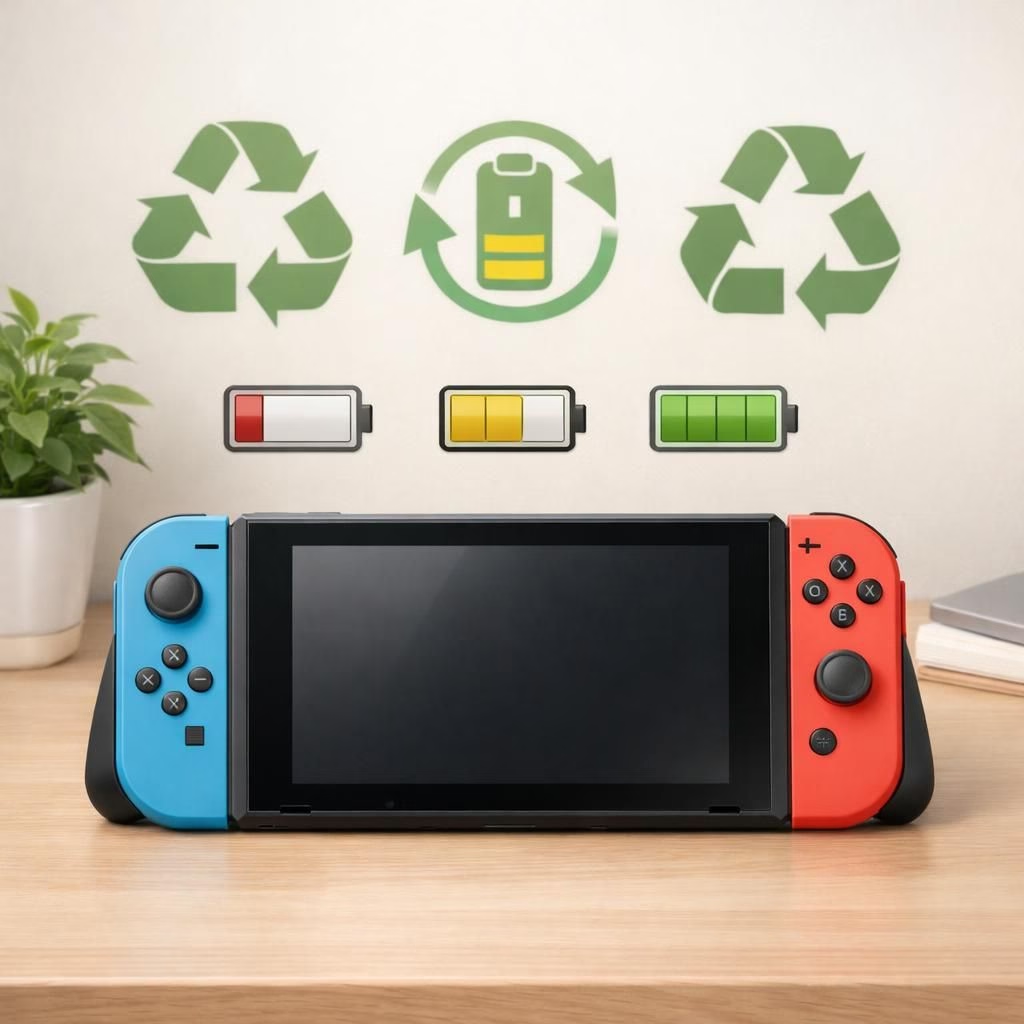
environmental sustainability and Nintendo Switch battery policy are buzzing in 2026, and the year feels ripe for a smarter power strategy. The EU is pushing for longer lifespans, easier repair, and clear battery recycling rules that could touch every gadget—from smartphones to the Nintendo Switch. The upshot? less trash, more durable hardware, and a future where powering up is as friendly as a well-timed couch co-op session.
environmental sustainability in practice: the Nintendo Switch OS movement
The core idea is simple: reduce e-waste by letting people replace the battery, reuse the console, and keep the fun going longer. The Nintendo Switch OS variant will be accompanied by an obligation to supply replacement batteries for up to five years after discontinuation. That means happier DIYers and fewer abandoned consoles in landfills. environmental sustainability becomes practical when a two-minute battery swap can turn a dying device into a near-new machine. The policy converts a one-way throwaway habit into a two-way street of care and repair.
Nintendo Switch Battery Reform and environmental sustainability in 2026
Detachable Joy-Cons fall under the same regulation as the main unit because the rules treat them as part of the system’s lifecycle. Given how integrated the Joy-Cons are, Nintendo Switch might need to adopt design changes; the goal is clear: make the console easier to repair and the Joy-Con modules more user-friendly. The Pro Controller also carries a BEE code and will presumably also receive an OSM variant, pushing the entire ecosystem toward repair-friendly parity.
With the OSM updates, third parties could enter the battery market with higher capacity replacements. That could deliver longer mobile play, but buyers should wait for independent reviews because reliability varies. The EU clock is ticking toward February 18, 2027, and we’ll be watching how the Nintendo Switch 2 evolves in response to the policy’s success—and perhaps how fast repairs become a cottage industry.
Beyond the regulatory paperwork, the revised design opens space for a more modular ecosystem. A healthier lifecycle means more than just lower waste; it means a thriving repair culture where fans swap out cells, compare capacities, and celebrate longevity instead of upgrading at every new release. In 2026 and beyond, the expectation is a Nintendo Switch that lasts longer, costs less to maintain, and happily shares its interior with tools and spare parts rather than with disposal bins.
In plain terms, the EU’s environmental push is a nudge toward better product stewardship. It asks developers to prioritize serviceability, not just performance. It invites battery makers to bring safer, higher capacity cells to the market. And it asks players to embrace a culture of responsible upgrades—without losing the joy that makes Nintendo Switch gaming so beloved. If the policy lands well, we may see a future where the Nintendo Switch remains vibrant in a world that prizes durability as much as innovation.
As always with major policy shifts, the proof is in the real-world results. We’ll see how quickly Nintendo Switch unveils OSM variants, how transparent warranties become, and whether third-party batteries gain widespread trust. The next couple of years will likely deliver a mix of cautious optimism and lively debate about what exactly counts as repairability, what constitutes a fair replacement, and how to balance innovation with longevity in a rapidly evolving gadget landscape.
Have thoughts about these EU updates and the Nintendo Switch’s repairable future? Please share your thoughts in the comments below.
Special thanks to Videogames Chronicle for the original material that sparked this discussion. Original article available here: Videogames Chronicle — original article.
External context helps: the EU’s Batteries Regulation and related repairability goals are laid out by policymakers and industry observers. For a deeper read on the regulatory backdrop, see the EU Batteries Regulation overview and credible tech coverage below.
External resources
EU Batteries Regulation overview: ec.europa.eu
Industry coverage on repairability and battery changes: Engadget
Practical steps for Nintendo Switch owners
- Identify whether your unit falls under the BEE family or the new OSM variant to understand replacement options.
- Track official replacement batteries that must be available for up to five years after a product is discontinued.
- Research third-party batteries carefully; wait for independent reviews before buying, as capacity claims vary in practice.
- As a Nintendo Switch owner, keep spare tools handy and avoid heat-based or solvent-based methods to access the battery.
FAQ — EU rules and the Nintendo Switch repairability
-
What does OSM mean?
OSM refers to an updated, more serviceable model variant that aligns with the EU’s battery and repair rules, enabling easier battery replacement without special tools or adhesives.
-
Will third-party batteries be allowed?
Yes, but buyers should rely on independent reviews and verified safety data before purchasing higher-capacity cells for Nintendo Switch devices.
-
How long will replacement batteries be available?
Manufacturers are obligated to supply replacement batteries for up to five years after a product is discontinued, supporting longer lifespans for the Nintendo Switch ecosystem.
-
When does the new policy take effect?
The policy formalizes in February 2027, with ongoing updates as Nintendo rolls out OSM variants and expanded repair options for the Nintendo Switch lineup.
Conclusion: a durable, repair-friendly future for the Nintendo Switch
The EU’s environmental push nudges manufacturers toward better product stewardship and clearer repair pathways. For the Nintendo Switch, that could mean more modular hardware, easier battery swaps, and a broader ecosystem of trustworthy replacements. If the OSM strategy lands well, players may enjoy longer-lasting hardware with less e-waste—without sacrificing the fun that defines Nintendo Switch gaming.